
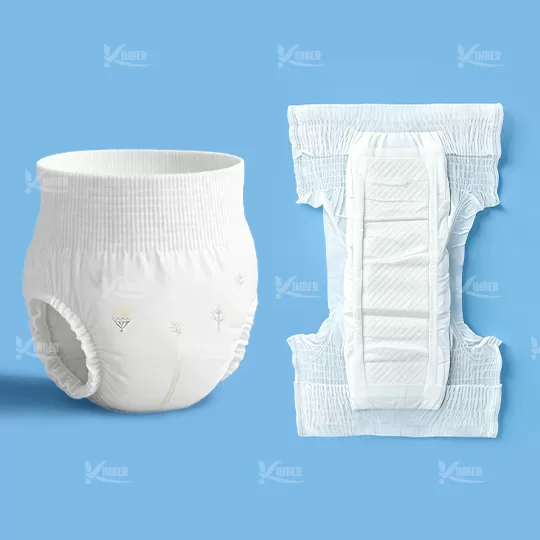
Global trade patterns in the disposable hygiene sector have shifted significantly toward material transparency and chemical safety. Distributors, medical institutions, and consumer brands require verifiable proof of safety before sourcing inventory. Producing safe disposable diapers involves strict control over raw material composition, machinery hygiene, and biological safety testing. KIMEPR addresses these rigorous B2B requirements by aligning manufacturing practices with international safety standards, ensuring that every batch of products meets stringent chemical and physical safety criteria.
1. Raw Material Architecture and Chemical Safety
The safety of a disposable diaper is determined primarily by its chemical composition. Modern hygiene products are complex structures made of multiple layers, each requiring specific polymer and fiber formulations. For B2B buyers, understanding the chemical footprint of these layers is a necessary step in quality assurance.
Fluff Pulp Bleaching Methods
The core of a diaper relies on fluff pulp to distribute and hold moisture. Historically, chlorine gas was used to bleach wood pulp, which left trace amounts of chlorinated organic compounds, including dioxins. To eliminate these substances, modern manufacturing utilizes safer bleaching methods:
Elemental Chlorine Free (ECF): This method replaces elemental chlorine with chlorine dioxide, significantly reducing hazardous byproducts to levels that are virtually undetectable.
Totally Chlorine Free (TCF): This process completely avoids chlorine derivatives, utilizing oxygen, ozone, or hydrogen peroxide. TCF pulp is highly favored in markets with strict chemical exposure regulations, such as the European Union.
Superabsorbent Polymers (SAP) and Residual Monomers
Superabsorbent Polymers (SAP), primarily sodium polyacrylate, are responsible for locking fluid away from the skin. While SAP is highly stable, the safety focus during raw material vetting centers on residual acrylic acid—the monomer used to create the polymer. Safe disposable diapers must utilize high-grade SAP where residual monomer concentrations are kept well below toxicological safety thresholds, preventing skin sensitization and chemical dermatitis during prolonged contact.
Adhesives and Bonding Agents
Layers are held together using thermoplastic hot-melt adhesives. Industrial buyers must verify that these adhesives do not release volatile organic compounds (VOCs) or contain sensitizing substances. Solvent-free, hot-melt formulas are applied at precise temperatures to maintain structural bond integrity without off-gassing, keeping the diaper free from chemical odors and dermal irritants.
2. Engineering Safety into High-Speed Production Lines
Beyond the raw materials, the physical manufacturing environment plays a decisive role in ensuring product safety. High-speed production lines must operate under strict hygiene protocols to prevent physical contamination and structural defects.
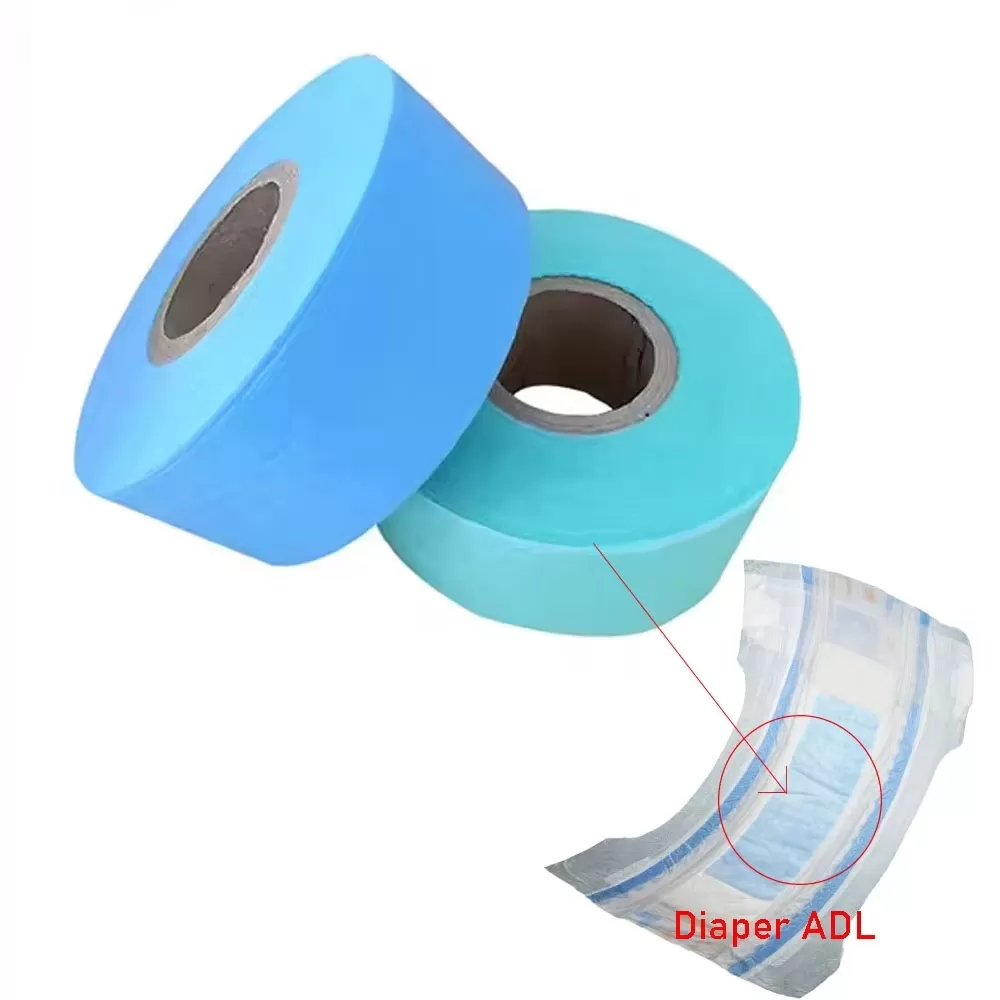
Regarding production-line integrity, automated vision systems are employed to monitor every stage of the assembly process. High-resolution cameras inspect the positioning of the acquisition distribution layer (ADL), elastic cuffs, and adhesive patterns. Any diaper displaying a structural deviation—such as exposed SAP, misplaced tapes, or uneven elastic tension—is automatically flagged and pneumatically rejected from the line. This prevents structural failures that could lead to raw materials making direct contact with skin.
Contamination prevention is maintained through enclosed production cabins and positive air pressure systems. These systems filter out microscopic airborne dust, fibers, and insects. Metal detection systems are integrated at the end of the packaging line to inspect every finished carton, ensuring that no metallic fragments from machinery maintenance enter the consumer supply chain. KIMEPR structures its facility layouts to separate raw material storage, processing zones, and finished goods, preventing cross-contamination.
3. Biocompatibility and Dermatological Testing Standards
Verifying that a product is safe for sensitive skin requires rigorous scientific testing. B2B buyers must look for compliance with international biological evaluation frameworks to validate safety claims.
Looking at biological assessment, the ISO 10993 standards offer a clear framework for testing medical devices and personal hygiene products that come into contact with skin. This testing involves specific laboratory protocols:
Skin Irritation Testing (ISO 10993-10): Evaluates the potential of the diaper materials to cause irritation after single or repeated exposure.
Sensitization Testing (ISO 10993-10): Determines if the materials contain chemicals capable of triggering an allergic response over time.
In Vitro Cytotoxicity (ISO 10993-5): Assesses the viability of mammalian cells when exposed to diaper material extracts, ensuring no cellular toxicity exists.
Alongside laboratory assays, independent dermatological certifications provide valuable market credibility. Certifications such as the Dermatest 5-Star clinical rating indicate that the finished product has undergone human patch testing under the supervision of dermatologists, confirming the absence of skin reactions. OEKO-TEX Standard 100 Class 1 certification further guarantees that the diaper components are free from harmful substances such as heavy metals, formaldehyde, and phthalates, making them safe for infant use.
4. Structural Integrity and Leak Prevention Engineering
Physical safety is closely tied to functional performance. A diaper that fails structurally can cause skin chafing, chemical exposure from escaped SAP, or leakage that leads to bacterial growth in wet clothing. Designing safe disposable diapers requires balanced physical engineering.
To achieve high performance without compromising safety, the leg cuffs and waistbands must utilize high-quality, latex-free elastomeric materials. Latex is a known allergen, so manufacturers use synthetic elastane (such as polyurethane-based fibers) to provide elasticity. The tension must be calibrated precisely: too loose, and the diaper leaks; too tight, and it causes mechanical friction, leading to red marks and epidermal breakdown.
The moisture vapor transmission rate (MVTR) of the backsheet is another important parameter. A completely non-porous backsheet traps heat and humidity, creating a microclimate that promotes diaper rash. Utilizing a highly breathable, microporous polyethylene film laminated with a soft nonwoven layer allows water vapor to escape while retaining liquid water, keeping the skin dry and maintaining natural barrier function.
5. Sourcing Integrity and Regulatory Compliance
Distributors and importers face complex regulatory frameworks depending on their target markets. Sourcing from a manufacturer that proactively manages regulatory documentation simplifies market entry and protects the brand's reputation.
From a regulatory perspective, compliance with the European Union's REACH regulation is a primary benchmark for chemical safety. REACH restricts the use of specific substances of very high concern (SVHC) across all consumer products. In the United States, FDA regulations for medical or consumer-use hygiene goods dictate strict manufacturing practices, while other regions rely on equivalent national standards like the GB/T guidelines in China.
KIMEPR maintains a robust tracking system for all incoming raw materials, establishing full traceability from the forest source of the fluff pulp to the final chemical composition of the nonwovens. This level of supply chain transparency ensures that if a material supplier alters their formulation, the change is evaluated before production begins. For B2B buyers, this transparency acts as a safeguard against regulatory delays or product recalls.
6. Partnering with KIMEPR for Certified Hygiene Manufacturing
Developing safe disposable diapers that align with both consumer safety expectations and international regulations requires manufacturing precision. KIMEPR combines advanced high-speed production technology with a strict quality management system to deliver high-performing, certified diaper configurations. By selecting audited materials and maintaining rigorous control over the production environment, we help our global partners protect their brand reputation and meet the expectations of modern consumers.
Our engineering and regulatory teams work closely with distributors, retail brands, and healthcare providers to customize product specifications that comply with regional safety frameworks. To request material safety data sheets, analytical test reports, or to discuss customized manufacturing configurations for your market, please submit an inquiry to our commercial department. We will provide detailed technical support and sample evaluations to assist your sourcing process.
Frequently Asked Questions
Q1: How does KIMEPR ensure that raw materials contain no harmful chemical residues?
A1: We source all raw materials from certified global suppliers who provide comprehensive chemical analysis reports. Additionally, we conduct periodic third-party testing on finished products to screen for heavy metals, phthalates, formaldehyde, and other restricted chemicals, ensuring alignment with OEKO-TEX Standard 100 and REACH requirements.
Q2: Why is the use of Totally Chlorine Free (TCF) pulp preferred for safe disposable diapers?
A2: TCF pulp is bleached using oxygen-based compounds instead of chlorine. This completely eliminates the production of chlorinated organic compounds, such as dioxins, which are toxic environmental pollutants and potential skin irritants, offering the highest level of chemical safety for sensitive skin.
Q3: How does your production facility prevent physical contamination in high-speed manufacturing?
A3: Our production lines are enclosed in controlled-environment cabins with positive air pressure and HEPA filtration to exclude dust and airborne particulate matter. We also utilize in-line vision camera systems to detect structural defects and end-of-line metal detectors to ensure no physical contaminants enter the final packaging.
Q4: What certifications are available to verify the dermatological safety of KIMEPR diapers?
A4: Our diaper configurations can be produced to meet certifications such as Dermatest (including the 5-Star clinical seal), OEKO-TEX Standard 100 Class 1, and compliance with ISO 10993 biocompatibility testing protocols, giving our B2B partners verified safety credentials for their target markets.
Q5: Can customized material formulations be developed to meet specific market regulations?
A5: Yes, KIMEPR provides flexible OEM and ODM manufacturing services. We can adjust material specifications, such as sourcing FSC-certified organic cotton topsheets, specific breathable backsheets, or particular SAP brands, to align with the regulatory and consumer preferences of your local market.