
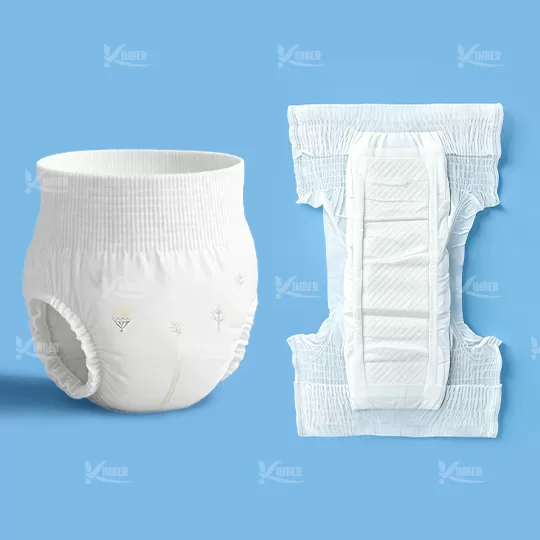
High-volume manufacturing of personal hygiene products demands high repeatability and mechanical reliability. At the center of this sector is the diaper system, which comprises both the product architecture—the layers of nonwoven fabrics, elasticated strands, and superabsorbent polymers—and the complex machinery required to assemble these components at rates exceeding several hundred units per minute. As global demand for high-performance hygiene products rises, manufacturers must balance throughput with strict quality standards. Equipment providers like KIMEPR design systems that address these complex requirements, focusing on material efficiency, operational uptime, and product safety.
To establish a stable production environment, engineering teams must evaluate the interaction between raw materials and high-speed mechanical assemblies. Minor variations in the tension of a nonwoven web or the distribution of adhesive can result in product defects, leading to significant scrap rates and unplanned downtime. This analysis details the design principles of the diaper system, examining the mechanical modules, material layers, and operational solutions required to maintain a competitive manufacturing process.
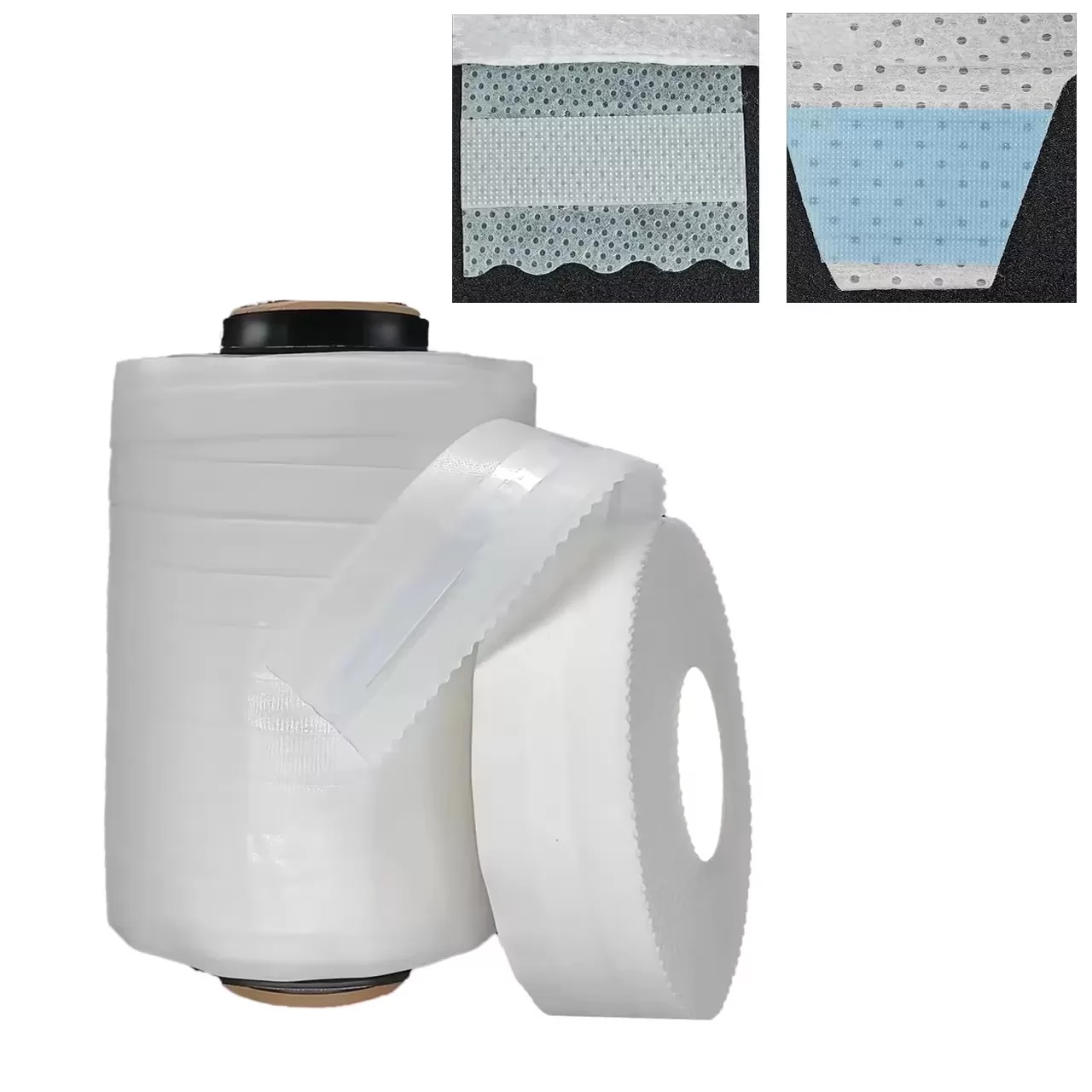
The Anatomy of a High-Performance Diaper System
A modern disposable diaper is a multi-layered composite structured to manage fluid acquisition, distribution, and storage. The diaper system must construct this multi-layered assembly continuously, ensuring each component is positioned with millimeter-level accuracy. Understanding the function of each layer is key to managing the assembly machinery.
The Absorbent Core and Fluid Distribution
The core is the functional center of the diaper system. It typically consists of a blend of cellulose fluff pulp and superabsorbent polymer (SAP). The ratio of these two components dictates both the absorption capacity and the physical thickness of the finished product. In advanced configurations, a core wrapping layer—usually a lightweight hydrophilic nonwoven—encloses the SAP-pulp mixture to prevent material migration.
Superabsorbent Polymer (SAP): Acrylic acid derivatives that lock fluid into a gel structure under pressure.
Fluff Pulp: Provides the initial capillary action to draw fluid away from the point of impact.
Core Wrap: Nonwoven carrier fabric that maintains the structural integrity of the core during shipping and active use.
Acquisition and Distribution Layers (ADL)
Placed directly beneath the topsheet, the Acquisition Distribution Layer (ADL) acts as a temporary reservoir. Its primary function is to quickly accept fluid surges and distribute them laterally across the length of the absorbent core. This prevents localized saturation, which is a common cause of leakage. The ADL is composed of high-loft through-air bonded nonwoven materials that resist compression, maintaining open void space even when wet.
Barrier Components and Elastication
To prevent lateral leakage, the diaper system integrates hydrophobic nonwoven leg cuffs reinforced with polyurethane elastic threads. These elastic components must be applied under precise, variable tension. The tension must be high enough to form a secure seal against the body, yet low enough to prevent skin irritation or red marking on the wearer. This delicate balance requires continuous mechanical adjustment during the high-speed assembly process.
Mechanical Precision in Assembly Machinery
Translating material design into a physical product requires highly precise machinery. A diaper production line is an integrated diaper system that coordinates dozens of continuous webs of material, cutting mechanisms, and adhesive application systems.
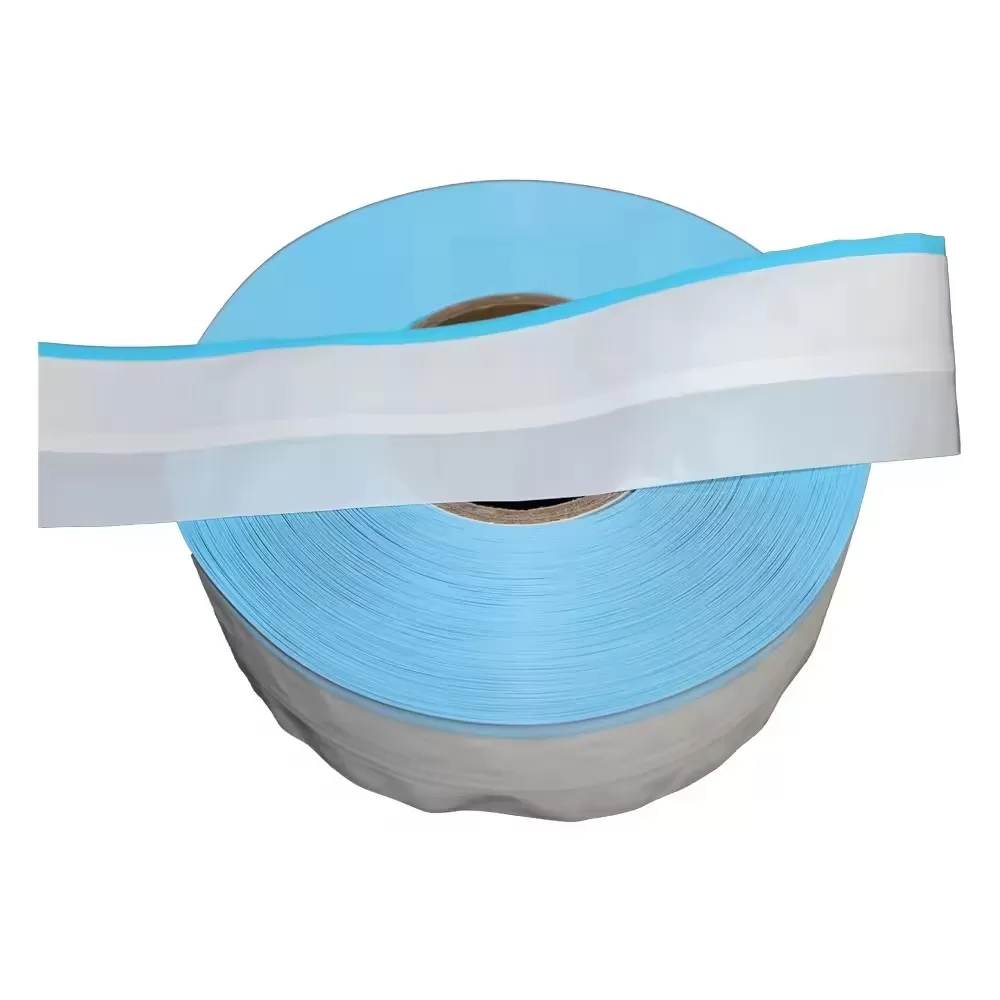
The process begins at the unwind stands. Raw materials, supplied in large rolls, are fed into the machine continuously. Because stopping the machine to change rolls would cause severe throughput losses, automated splicing units are integrated. These units splice the tail of an expiring roll to the head of a new roll at full production speed. This continuous feed demands immediate tension adjustment to prevent web breaks.
Following the feed phase, the materials undergo continuous rotary die-cutting. This process shapes the individual components, such as the ear patches and leg cutouts. The rotary dies must be engineered to withstand billions of cycles before requiring maintenance. High-grade tool steel and tungsten carbide coatings are commonly utilized to prolong the lifespan of these cutting edges, ensuring clean cuts without fraying the synthetic fibers.
Adhesive application is another step where precision is required. Hot-melt glues are applied via spray nozzles or slot-die applicators at specific zones of the moving web. The application system must synchronize with the speed of the line, adjusting the flow rate of the adhesive dynamically as the machine accelerates or decelerates. Under-application leads to delamination of the diaper layers, while over-application can cause adhesive bleed-through, leading to machine contamination and product failure.
Addressing Industry Pain Points in Hygiene Manufacturing
Manufacturers in the hygiene sector face several persistent operational challenges that impact profitability. Analyzing these pain points allows engineering teams to implement targeted solutions within the diaper system design.
Raw Material Waste
Raw materials represent the largest share of the operational cost in diaper manufacturing. Any waste generated during startup, roll splicing, or size changeovers directly impacts the bottom line. Traditional manufacturing lines often generate significant scrap during these transition phases. Modern systems address this by utilizing digital web guidance systems that monitor the alignment of materials in real time, correcting offsets before they result in misaligned layers.
Equipment Wear and Thermal Stress
The combination of high rotational speeds and thermal bonding processes subjects components to high stress. Ultrasonic bonding stations, used to fuse nonwoven layers without glue, generate significant localized heat. This thermal energy can cause minor expansion in mechanical shafts, affecting clearances and alignment. To mitigate this, machinery designs must incorporate cooling channels and utilize materials with low thermal expansion coefficients.
Frequent Size Changeovers
Market demand requires manufacturers to produce multiple diaper sizes on a single line. Historically, changing a line from a medium size to a large size required hours of mechanical adjustments, tool changes, and subsequent recalibration. This downtime represents a major source of lost productivity. Modern modular designs allow operators to swap out complete drum modules and cutting dies using quick-release mechanisms, reducing changeover times from hours to minutes.
Innovative Solutions Engineered by KIMEPR
To meet the demands of high-volume producers, KIMEPR has developed modular machinery platforms that simplify the diaper system production process. By focusing on mechanical reliability and precise control, these systems deliver consistent output even under continuous operation.
The KIMEPR platform utilizes independent servo-drive systems for every key rotary component. This direct-drive architecture eliminates the complex gearboxes and timing belts found in older machinery, reducing mechanical backlash and minimizing maintenance requirements. Each drive is controlled by a centralized industrial processor, allowing for real-time synchronization and immediate adjustment to material variations.
Furthermore, KIMEPR machinery incorporates advanced tension control modules. These modules utilize load cells located along the web path to measure tension continuously. If a change in raw material thickness or roll concentricity is detected, the servo motor speeds are adjusted within milliseconds to maintain the targeted tension profile. This level of control is particularly important for managing fragile elastic materials and ultra-thin nonwovens, which are increasingly favored by brands seeking to reduce packaging volume and material footprints.
Key Selection Parameters for B2B Procurement
When investing in new production equipment, procurement teams must evaluate several key operational metrics to ensure long-term viability. The table below outlines the primary parameters that define a high-quality manufacturing setup:
| Parameter | Standard Specification | Impact on Operations |
|---|---|---|
| Design Production Speed | 600 to 1000 units per minute | Determines overall capacity and cost amortization. |
| Overall Equipment Effectiveness (OEE) | > 85% under typical operating conditions | Reflects the reliability, speed, and quality output of the line. |
| Splicing Efficiency | > 99.5% success rate at full speed | Reduces scrap and prevents manual line restarts. |
| Size Changeover Time | Under 60 minutes for modular assemblies | Enables production flexibility for multi-product portfolios. |
| Adhesive Application Accuracy | ± 0.2 grams per unit | Minimizes chemical consumption and prevents leakage defects. |
In addition to these mechanical metrics, B2B buyers must evaluate the availability of aftermarket support and spare parts. A highly automated diaper system is only as reliable as its component supply chain. Fast access to replacement cutting dies, ultrasonic horns, and electronic components is vital to maintaining planned production schedules.
Frequently Asked Questions
Q1: What raw materials are processed by a modern diaper system?
A1: A standard production line processes a variety of materials continuously. These include hydrophilic and hydrophobic nonwoven webs, polyethylene barrier films, superabsorbent polymers, fluff pulp, polyurethane elastics, and synthetic hot-melt adhesives. These materials are combined through mechanical, thermal, and chemical bonding to create the final diaper structure.
Q2: How does a diaper system manage the tension of different elastic materials?
A2: Elastic tension is managed using dedicated unwinding systems equipped with closed-loop load cells. The software monitors the tension profile continuously and adjusts the rotational speed of the feed rolls. This maintains stable elongation of the elastic threads before they are laminated into the leg cuffs or waistband zones.
Q3: What are the primary causes of web breaks during high-speed production?
A3: Web breaks are typically caused by variations in raw material quality, such as weak spots or uneven thickness in the nonwoven fabric. They can also occur due to sudden mechanical shifts during high-speed splicing or due to misaligned guide rollers that create uneven stress distribution across the width of the material web.
Q4: How does KIMEPR ensure the safety of operators during machine operation?
A4: KIMEPR machinery features comprehensive protective enclosures with safety interlock systems. Physical access points are monitored electronically, bringing the high-speed modules to a controlled stop if a guard is opened. Additionally, exhaust systems are integrated to manage dust generated during the fluff pulp processing and SAP blending phases.
Q5: What is the typical lifespan of the cutting tools used in these systems?
A5: The lifespan of rotary die-cutters depends on the materials being processed and the tool coatings used. High-grade tungsten carbide cutting tools can typically operate for several million cycles before requiring resharpening. Regular maintenance schedules and precise mechanical alignment of the anvil roll are key factors in extending tool life.
Partner with KIMEPR for Advanced Hygiene Manufacturing Solutions
Selecting the appropriate production machinery is a long-term investment that shapes your manufacturing capabilities and operational efficiency for years to come. KIMEPR design and engineering teams specialize in building robust, high-performance machinery tailored to the specific raw materials and production targets of modern hygiene brands.
If you are looking to upgrade your existing production line, expand your manufacturing capacity, or require detailed engineering specifications for a new diaper system installation, please contact our technical sales team. We can provide detailed proposals, layout designs, and mechanical assessments to meet your operational requirements. Submit an inquiry today to schedule a consultation with our senior engineering specialists.