
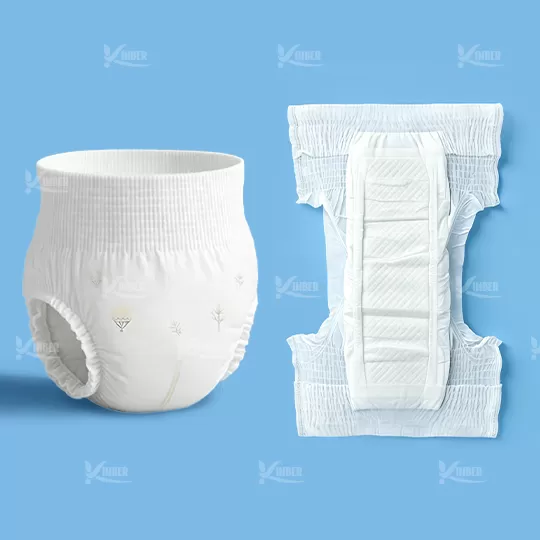
The global adult hygiene market is undergoing a quiet division. While mainstream retail marketing heavily promotes breathable, cloth-like non-woven outer covers, a substantial and highly profitable segment remains firmly anchored in traditional non-breathable designs. Specifically, demand for high-capacity adult plastic nappies—briefs utilizing a polyethylene (PE) backsheet—continues to grow within specialized clinical, institutional, and premium care niches.
For high-volume manufacturers and equipment suppliers, this segment represents unique challenges and high-margin opportunities. According to industry data, the global adult incontinence market exceeded $11 billion in recent valuations, with severe incontinence products accounting for a significant portion of institutional spending. Understanding the engineering, supply chain, and user-centric realities of these plastic-backed products is essential for B2B stakeholders aiming to optimize their production portfolios.
This article analyzes why PE-backed briefs maintain their market share, the technical requirements for manufacturing them efficiently, and how brands can leverage advanced processing equipment to balance yield with product integrity.
The Paradox of the Modern Incontinence Market
The core challenge in adult incontinence manufacturing is balancing skin health with reliable containment. Modern marketing suggests that cloth-like backsheets are universally superior due to air permeability. However, in heavy-duty clinical scenarios, breathability can sometimes compromise the absolute barrier properties required to prevent wetness migration and odor transmission.
For non-ambulatory patients or individuals with severe reflex incontinence, the primary point of failure is lateral leakage and outer-sheet dampness. When a cloth-like diaper reaches high saturation, physical pressure (such as sitting or lying down) can cause liquid to seep through the micro-pores of a breathable outer layer. This phenomenon, known as wet-through, is highly minimized in premium adult plastic nappies, where the impermeable nature of the PE film acts as an absolute physical barrier.
Consequently, manufacturers face a strategic decision: how to serve the high-capacity, heavy-duty clinical market while adapting high-speed production lines originally optimized for non-woven laminates. This requires a deep understanding of raw material properties and precise machinery calibration.
Material Science: PE Film vs. Non-Woven Laminates
Polyethylene backsheets used in adult plastic nappies typically range in thickness from 18 to 30 microns. Unlike breathable films that are stretched to create micro-voids around calcium carbonate particles, standard PE films are cast or blown to maintain a continuous, non-porous polymer matrix. This structure provides distinct mechanical advantages.
First, the tensile strength of a solid PE film is significantly higher than that of a comparable breathable laminate of equal basis weight. This allows the diaper to withstand high mechanical stresses when a patient shifts weight in bed, reducing the risk of tearing at the tape landing zones. Second, the non-porous surface acts as a complete barrier to volatile organic compounds (VOCs) responsible for ammonia odors, which is a critical priority in long-term care facilities.
However, the lack of permeability increases the risk of heat and moisture retention next to the skin. To mitigate this, manufacturers rely on sophisticated multi-layered cores. The design must rapidly draw liquid away from the top sheet and lock it within a superabsorbent polymer (SAP) matrix before it can cause skin hydration issues, showing that backsheet choice cannot be isolated from core construction.
The KIMBER Seal-and-Shield Framework
To assist manufacturers in optimizing their product designs, we utilize a structured design methodology called the KIMBER Seal-and-Shield Framework. This approach balances mechanical integrity, fluid dynamics, and production yield to ensure consistent product performance.
| Framework Pillar | Technical Focus Area | Primary Manufacturing Metric | User-Centric Benefit |
|---|---|---|---|
| 1. Tensile Equilibrium | PE Film Gauge & Elongation Yield | Machine Direction (MD) Tensile Strength | Prevention of sagging and tearing under heavy fluid loads. |
| 2. Core Isolation | Hydrophobic Leg Cuffs & SAP Ratio | Acquisition Time under Pressure (AUP) | Minimized skin contact with standing fluid, reducing maceration. |
| 3. Thermal Attachment | Low-temperature Adhesive Application | Peel Strength of Tape Tabs on PE Surface | Secure fastening without melting or puncturing the backsheet. |
Implementing this framework requires highly stable production machinery. At KIMBER, research indicates that maintaining the balance between these three pillars allows manufacturers to reduce raw material basis weights by up to 8% without sacrificing the leak-proof performance that defines premium adult plastic nappies.
Manufacturing Optimization for Polyethylene Lines
Running PE films on high-speed diaper lines designed for cloth-like materials presents several operational hurdles. Polyethylene is highly sensitive to temperature fluctuations and mechanical tension. Excessive tension during the unwinding phase can stretch the film, leading to product curling or dimensional instability after cutting.
Furthermore, the application of construction hot-melt adhesives must be carefully managed. If the adhesive application temperature is too high, it can cause localized thermal degradation or "burn-through" of the thin PE backsheet. This creates micro-punctures that lead to product failure. Modern converters solve this by utilizing multi-nozzle spray application systems that operate at lower temperatures while maintaining adequate peel strength.
To achieve high yields, lines equipped with KIMBER tension control systems use closed-loop feedback mechanisms. These systems monitor the unwind tension in real-time, automatically adjusting for roll diameter changes and keeping web tension within a tight tolerance of +/- 1.5 Newtons. This stability is critical when converting slippery, non-embossed plastic films at speeds exceeding 300 pieces per minute.
The Premium Niche: Market Segmentation & B2B Value
From a commercial perspective, the market for adult plastic nappies is distinct from mass-market retail channels. The primary buyers are specialty distributors, clinical buyers, and direct-to-consumer premium brands catering to severe or double incontinence. These buyers prioritizes performance and reliability over low-cost commodity pricing.
In the institutional sector, using a high-capacity PE-backed product can actually reduce overall care costs. While the unit cost of a premium plastic-backed diaper may be higher than a standard breathable brief, the frequency of changes is often reduced. This leads to lower labor costs, fewer linen changes, and a reduced volume of clinical waste. This cost-in-use argument is a powerful selling point for B2B sales teams negotiating long-term supply contracts.
Additionally, the adult-baby/diaper-lover (ABDL) and specialty niche markets show high loyalty and high margins for manufacturers willing to produce custom-printed, high-capacity PE briefs. This segment values a smooth, crinkling plastic texture and robust tape landing zones, which are characteristics that non-woven laminates cannot replicate.
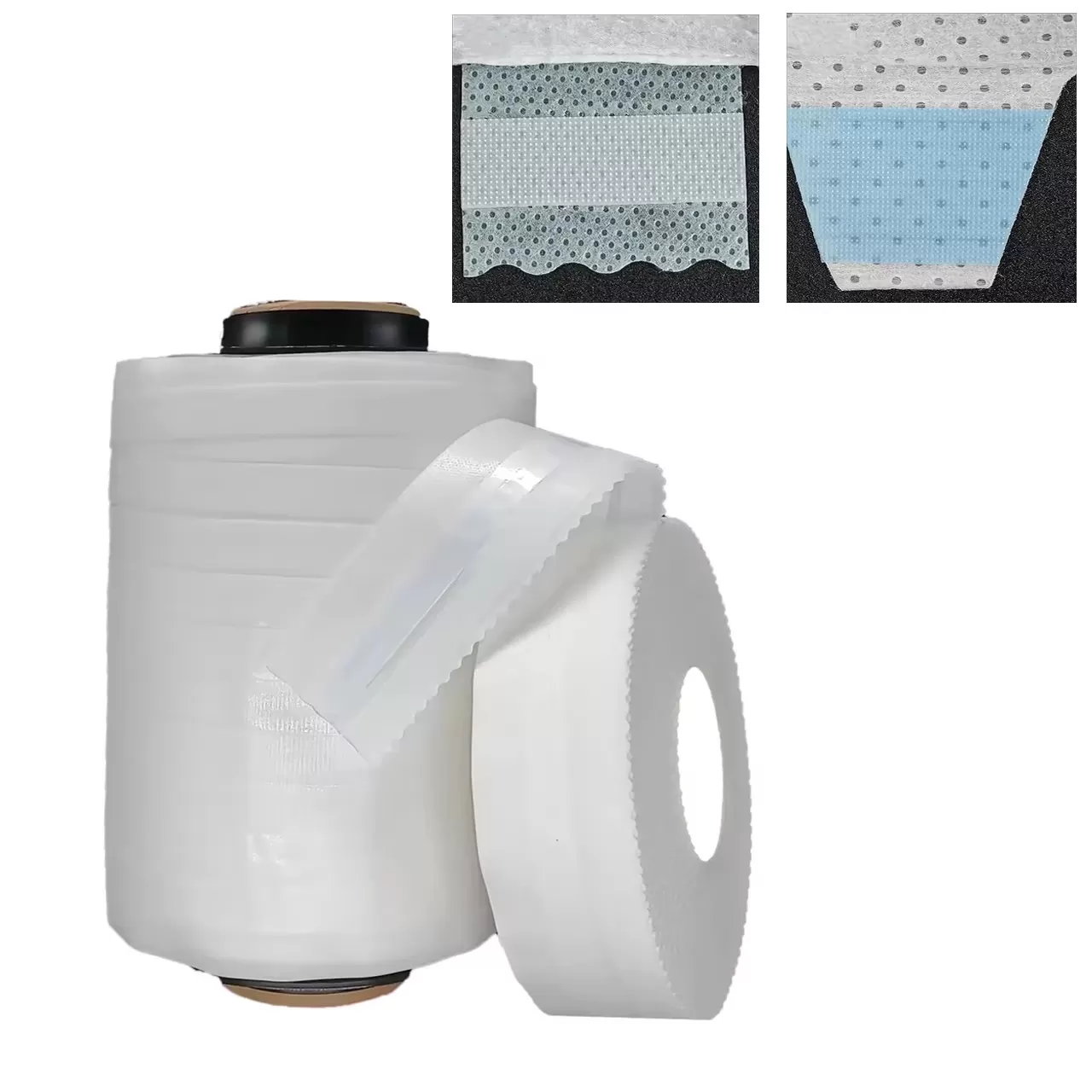
B2B PE Backsheet Quality Evaluation Checklist
For quality control managers and procurement professionals sourcing raw materials or finished products, verifying the physical properties of the PE backsheet is essential. Below is a practical evaluation checklist to guide the sourcing and QC process:
Film Thickness and Basis Weight: Verify that the PE film maintains a minimum of 22 gsm (grams per square meter) to ensure adequate puncture resistance during active wear.
Odor Barrier Rating: Conduct gas chromatography headspace analysis to ensure the film prevents the migration of ammonia compounds over an 8-hour saturation period.
Tape Landing Zone Adhesion: Test the peel force required to remove and re-fasten adhesive tapes. The backsheet must not tear or delaminate during typical adjustment cycles.
Coring and Slitting Quality: Inspect roll edges for microscopic tears or nicks that could initiate a full-width web break under tension on the manufacturing line.
Biocompatibility and Skin Safety: Ensure the PE resin and printing inks used are free from heavy metals, phthalates, and sensitizing agents, complying with FDA or CE medical device regulations.
Frequently Asked Questions
1. Are plastic-backed nappies less breathable and therefore worse for skin health?
While PE-backed products do not allow air transmission, skin health is primarily maintained by rapid fluid acquisition and isolation. If the absorbent core utilizes high-quality fluff pulp and SAP to lock moisture away, the skin remains dry. In many clinical settings, preventing external wet-through and maintaining bed sheet dryness is prioritized alongside skin health strategies, such as using specialized barrier creams.
2. How can manufacturers optimize production speeds when handling delicate PE films?
To prevent stretching and tearing at high speeds, production lines must utilize precision tension controllers and low-inertia rollers. Brand manufacturers like KIMBER recommend integrating active web guiding systems and vacuum-assisted transfer drums to handle the film with minimal mechanical stress, allowing line speeds to remain stable even during rapid acceleration phases.
3. Is the environmental impact of PE-backed diapers a long-term liability for brands?
Sustainability is a valid concern in the modern hygiene sector. However, PE film is highly recyclable at the pre-consumer waste stage. For post-consumer waste, many municipalities are investing in waste-to-energy incineration plants where clean-burning polyethylene provides a high calorific value. Additionally, bio-based PE resins derived from sugarcane are increasingly being evaluated as direct drop-in replacements for fossil-based films.