

The cross-border movement of personal hygiene commodities represents a complex network of raw material procurement, strict quality standards, and regional distribution frameworks. Disposable diapers, as a high-frequency consumer good, command a major share of the global absorbent products market. To maintain profitable margins, distributors, retail brands, and sourcing agents must understand the manufacturing variables and logistics strategies that govern this industry.
Success in this sector relies on establishing robust partnerships with manufacturers capable of delivering consistent product quality while adapting to fluctuating material costs. KIMEPR works to support global distributors by providing clear insights into production processes and offering reliable manufacturing services that align with international standards. Managing the global trade in diapers requires a thorough understanding of raw material science, machine capabilities, and regulatory variations across target markets.
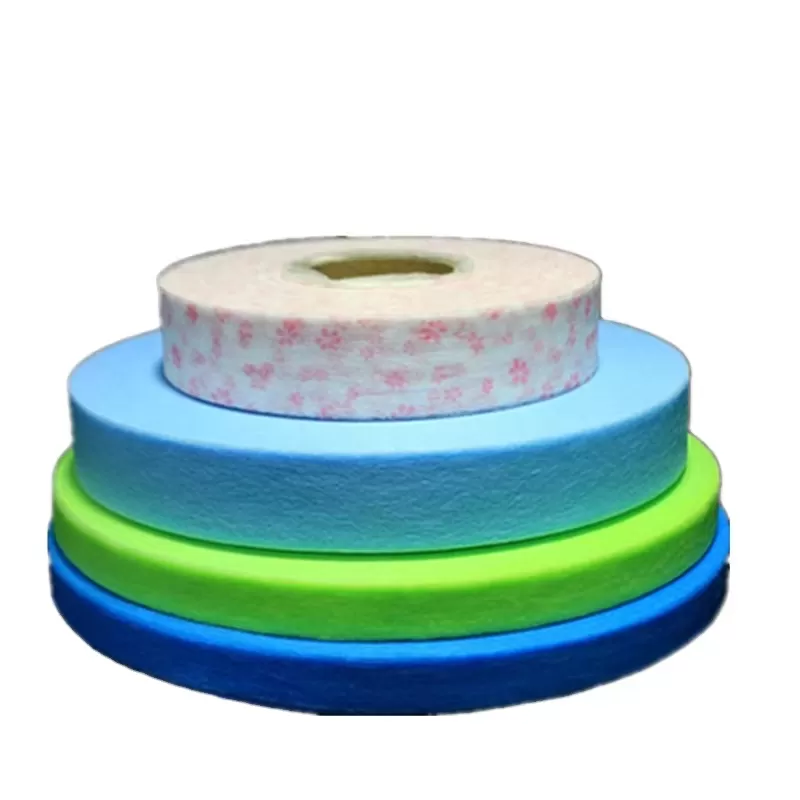
The Structural Materials Driving Modern Diaper Performance
To evaluate diaper quality, procurement professionals must examine the raw materials that constitute the product. A standard disposable diaper is composed of multiple functional layers, each requiring specific material properties to function correctly.
Topsheet: This layer makes direct contact with the skin. It typically consists of spunbond nonwoven fabrics made from polypropylene. Some premium variations utilize carded nonwovens or air-through nonwovens to achieve a softer texture and improve liquid penetration speeds.
Acquisition Distribution Layer (ADL): Positioned directly beneath the topsheet, the ADL manages fluid movement. It temporarily stores liquid surges and distributes them evenly across the absorbent core, preventing pooling and localized saturation.
Absorbent Core: The core is the functional center of the product. It consists of a blend of fluff pulp and Superabsorbent Polymer (SAP). The ratio between these two components determines the thickness, absorbency, and retention capability of the diaper.
Backsheet: This outer layer prevents leaks. It is usually a composite material consisting of a thin polyethylene film laminated with a breathable nonwoven sheet, allowing moisture vapor to escape while keeping liquid contained.
The selection of these materials directly influences the pricing structure of finished goods. Fluctuations in the cost of petrochemical derivatives, which are used to produce polypropylene nonwovens and SAP, can impact the cost of production. Consequently, buyers must monitor these material markets to anticipate price adjustments in their procurement contracts.
Analyzing Core Technologies and Absorption Metrics
The performance of the absorbent core determines consumer satisfaction and brand loyalty. During procurement negotiations, B2B buyers should request specific test data regarding absorption capacity, rewet values, and gel strength.
Traditional diaper cores rely heavily on fluff pulp to provide structure and distribute liquid. However, this design results in a thicker product that increases shipping volumes and warehouse storage costs. Modern manufacturing has transitioned toward composite cores or ultra-thin cores with higher concentrations of SAP. These thin profiles allow for denser packaging, directly lowering shipping costs per unit and improving efficiency in the trade in diapers.
SAP performance is measured by three main parameters: Centrifuge Retention Capacity (CRC), Absorbency Under Load (AUL), and Free Swell Rate (FSR). CRC measures how much fluid the polymer can retain under centrifugal force, while AUL indicates the polymer's ability to absorb liquid while subjected to pressure, simulating a baby sitting down. Balancing these parameters is vital to prevent gel blocking, a condition where saturated SAP particles swell and block dry areas of the core from receiving fluid.
Manufacturing Standards and Regulatory Compliance
Exporting personal care products across international borders requires compliance with regional regulatory bodies. Different jurisdictions maintain distinct quality benchmarks for skin-contact products, particularly those intended for infants and sensitive skin.
In European markets, importers must verify compliance with REACH regulations to ensure the absence of harmful chemical residues, heavy metals, or skin sensitizers. Certifications such as OEKO-TEX Standard 100 offer additional assurance regarding material safety. For the North American market, manufacturers must adhere to FDA guidelines and relevant consumer product safety acts, which govern material composition and labeling requirements.
To avoid customs delays and port rejections, global buyers must partner with manufacturers like KIMEPR that maintain international certifications, including ISO 9001 for quality management systems and ISO 14001 for environmental standards. Ensuring that the supply chain meets these criteria simplifies the documentation process and secures a steady flow of goods into consumer markets.
Machinery, Production Speeds, and Quality Control
High-speed, automated production lines are required to achieve the economies of scale needed for competitive wholesale pricing. Modern diaper manufacturing machines operate at speeds ranging from 600 to 1,000 pieces per minute. At these speeds, manual inspection is impossible, requiring advanced automated quality control systems.
These production lines utilize high-resolution camera systems and sensors to monitor web tension, adhesive application, and component alignment. If a machine detects a misplaced elastic ear, an incorrect SAP dosage, or a misaligned barrier leg cuff, the defective diaper is automatically rejected from the conveyor belt without halting production. This precision ensures that bulk shipments remain uniform in quality and free from functional defects.
For B2B distributors, manufacturing consistency is just as important as unit cost. Consistent production reduces defect rates, which in turn minimizes customer complaints and return handling costs. When evaluating potential manufacturing partners, visiting the facility or reviewing video audits of their active production lines and testing laboratories is a practical step to confirm their operational capability.

Logistics and Container Loading Optimization
Because diapers are lightweight but highly voluminous products, freight costs represent a significant percentage of the total landed cost. Inefficient packaging can quickly make imported products uncompetitive in local markets.
To counter this challenge, manufacturers use high-pressure compression packaging systems. Compressing the diapers reduces the overall volume of the packaging, allowing more units to fit into a standard 40-foot High Cube (HC) container. For example, optimizing the fold style and compression settings can increase container capacity by 15% to 25%, substantially lowering the freight cost per individual diaper.
However, excessive compression can damage the elastic bands and compromise the loft of the nonwoven materials, affecting the product's performance upon opening. Proper calibration of packaging machinery is necessary to find the balance between container density and product integrity. Furthermore, protective master polybags are often preferred over heavy cardboard cartons in bulk container shipping to maximize space and protect the products from moisture ingress during sea transport.
Frequently Asked Questions
Q1: What are the primary factors that determine the pricing of disposable diapers in international trade?
A1: Diaper pricing is primarily influenced by the cost of raw materials, specifically superabsorbent polymers (SAP), fluff pulp, and polypropylene nonwoven fabrics. Additional factors include manufacturing line speeds, labor costs, packaging specifications, and container shipping rates. Fluctuations in petroleum prices also affect the cost of synthetic nonwovens and SAP.
Q2: How does a composite core differ from a traditional fluff core in terms of shipping efficiency?
A2: Composite cores contain a high ratio of SAP mixed with thin carrier tissue or nonwoven sheets, resulting in an ultra-thin profile. Traditional cores rely on bulky fluff pulp. Because composite core diapers are significantly thinner, they can be compressed more tightly, allowing manufacturers to pack a higher quantity into each shipping container and reduce overall freight costs.
Q3: What certifications should international buyers look for when sourcing diapers?
A3: Importers should look for ISO 9001 certification for quality management, CE marking for European compliance, and FDA registration for the US market. Certifications like OEKO-TEX Standard 100 or FSC (Forest Stewardship Council) for responsibly sourced pulp are also valuable for proving product safety and environmental sustainability to consumers.
Q4: Why is the acquisition distribution layer (ADL) important for diaper performance?
A4: The ADL is designed to quickly absorb liquid surges from the topsheet and distribute them evenly across the length of the absorbent core. Without a functional ADL, liquid would pool in one spot, leading to premature saturation in one area of the core while the rest remains dry, ultimately causing leaks.
Q5: How can distributors protect diaper shipments from moisture damage during sea transit?
A5: Diapers are highly sensitive to humidity due to the absorbent nature of SAP and fluff pulp. To protect shipments, products should be packed in water-resistant outer polybags, and containers must be inspected for leaks before loading. Using desiccant bags inside the shipping container also helps manage ambient moisture levels during transit.
Contact KIMEPR for Reliable Sourcing and Partnership
Navigating the variables of international sourcing, material selection, and freight management requires a reliable partner. KIMEPR provides professional manufacturing services, stable supply chain logistics, and strict quality control to help your business achieve long-term growth. If you are looking to secure a reliable source for your inventory, please send an inquiry with your specific product requirements, target market certifications, and volume expectations. Our team is ready to assist you with tailored solutions and detailed quotes.