
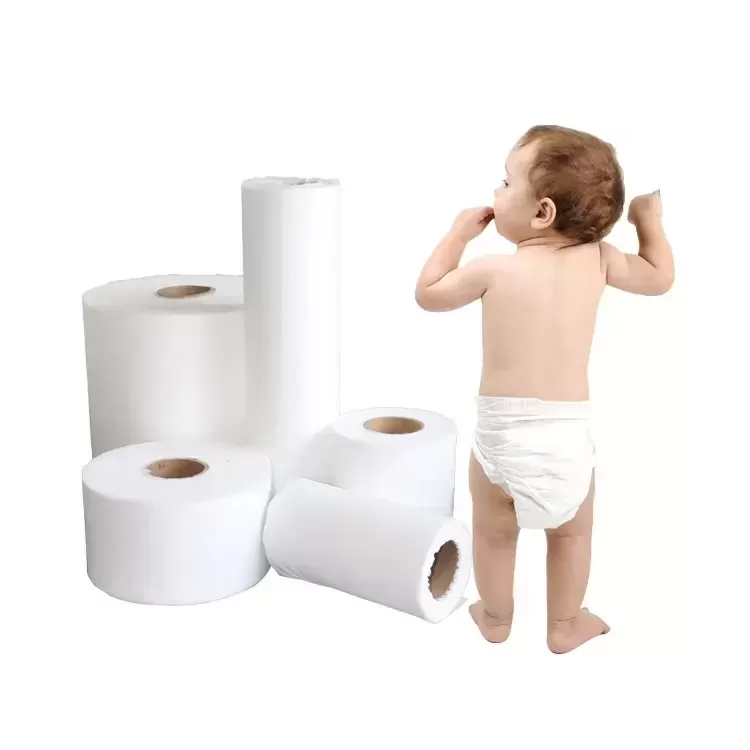
In the global healthcare and hygiene sector, managing moderate to severe incontinence requires high performance from protective garments. While primary absorbent briefs or diapers handle the bulk of fluid absorption, institutional care facilities and home-care providers frequently implement a double-layer strategy. Specifically, utilizing a specialized panty over diaper setup serves as a secondary barrier to secure the primary absorbent core, prevent displacement, and manage fluid bypass. For B2B buyers, medical distributors, and brand owners, understanding the manufacturing standards, textile properties, and clinical benefits of these secondary fixation garments is necessary for sourcing reliable products.
At KIMEPR, we manufacture professional-grade fixation garments and hygienic wear designed to support primary incontinence products. By focusing on material integrity, elasticity retention, and skin health, we assist our partners in delivering solutions that meet international quality standards. This analysis explores the technical specifications, industry challenges, and manufacturing processes that define high-quality fixation pants designed to be worn over primary absorbent briefs.
The Role of a Panty over Diaper in Professional Incontinence Care
In clinical settings, the primary cause of incontinence product failure is not insufficient absorption capacity, but rather displacement. When an adult diaper shifts during patient movement, repositioning, or sleep, the wetness barrier is compromised. This results in lateral leakage, which increases laundry costs for facilities and leads to skin maceration for patients.
Using a dedicated panty over diaper solves several operational challenges in healthcare facilities:
Stabilization of the Absorbent Core: Standard adult diapers often lose their structural integrity when saturated. A high-stretch fixation panty worn over the diaper keeps the core snug against the body, ensuring the superabsorbent polymer (SAP) remains in contact with the fluid source.
Reduction of Friction and Shear Forces: Bedridden patients are susceptible to pressure ulcers. A smooth, seamless outer panty reduces the friction between the diaper tabs and the bed sheets, minimizing shear forces on fragile skin.
Enhanced Dignity and Discretion: For ambulatory patients, the rustling sound of plastic-backed diapers can cause psychological discomfort. A soft, fabric-like outer panty dampens noise and provides a more underwear-like appearance.
Technical Specifications of High-Quality Fixation Pants
When manufacturing a panty over diaper designed for commercial and medical distribution, several textile parameters must be balanced to ensure safety, durability, and cost-effectiveness.
1. Material Composition and Breathability
The microclimate of the skin is a major consideration in incontinence care. If a secondary panty traps heat and moisture, the risk of incontinence-associated dermatitis (IAD) rises. Therefore, KIMEPR utilizes highly breathable, permeable material blends.
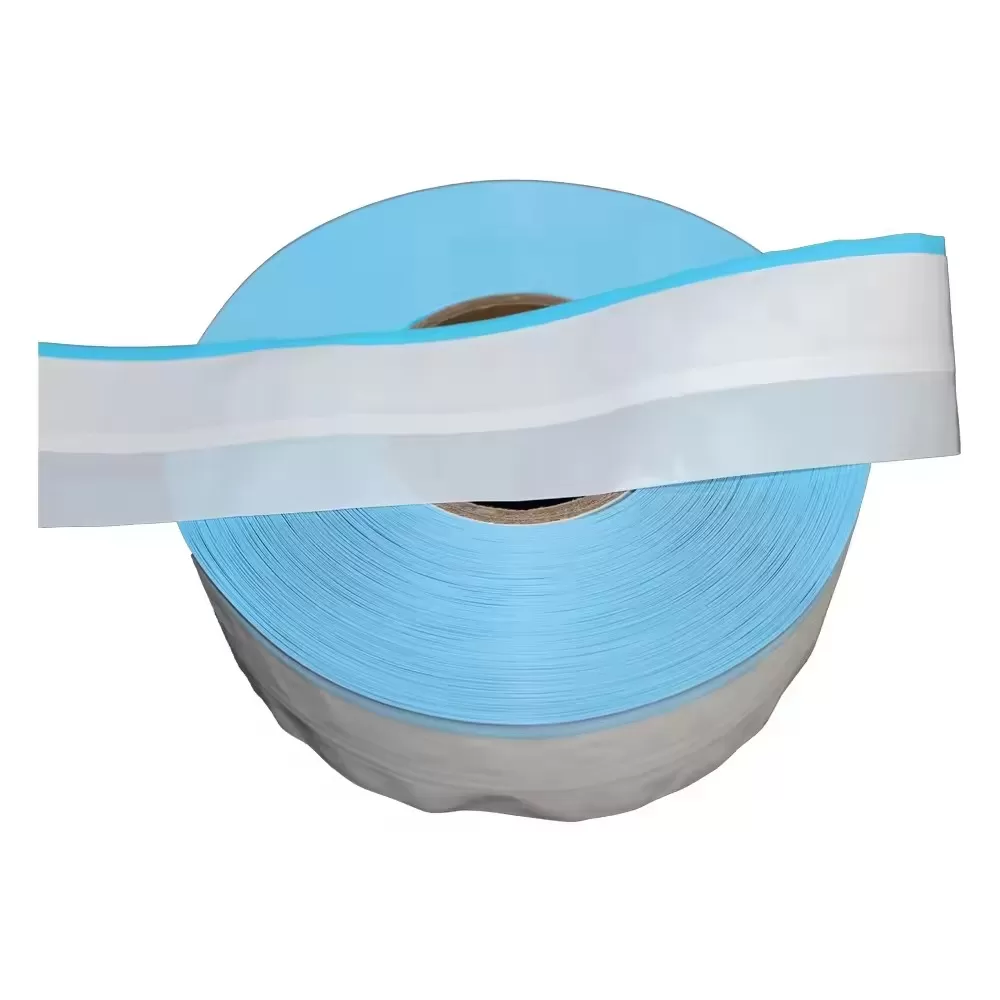
Typically, these garments are knitted using a blend of polyester or polyamide (nylon) with elastane (spandex). Polyamide provides a soft hand-feel and strength, while elastane delivers the necessary memory retention and multi-directional stretch. For disposable or short-term institutional use, high-grade spunbond-meltblown-spunbond (SMS) non-woven fabrics are utilized, offering a lightweight, hydrophobic barrier that allows vapor transfer while preventing liquid strike-through.
2. Seamless Knitting and Elasticity Modulus
Traditional cut-and-sew methods introduce raised seams that can press into the skin, causing localized pressure points. Advanced manufacturing processes utilize circular knitting machines to produce seamless or flat-locked garments. This design ensures that the compression exerted by the panty over diaper is distributed evenly across the hips, waist, and thighs.
The elasticity modulus—the measure of a fabric's resistance to being stretched—must be carefully adjusted. If the tension is too high, it can restrict blood circulation or cause red marks. If the tension is too low, the primary diaper will sag when wet. Manufacturers must calibrate the knitting tension to maintain a constant, gentle pressure even when the diaper increases in weight due to fluid retention.
3. Leg Opening Design and Leakage Barriers
The leg openings are the most common failure points for lateral leakage. A high-quality fixation panty features reinforced, soft-elastic leg bands. These bands must expand sufficiently to accommodate different thigh circumferences without binding, while maintaining a secure seal against the outer surface of the diaper.
Addressing Industry Pain Points in B2B Sourcing
Procurement officers and medical distributors face distinct challenges when selecting manufacturing partners for adult care accessories. Below are the key pain points and how targeted manufacturing solutions address them.
Sizing Inconsistency across Diverse Demographics
One of the most frequent complaints from healthcare providers is inconsistent sizing. A medium-sized garment from one region may fit like a small in another. Because a panty over diaper must fit snugly to perform its function, sizing accuracy is vital.
To mitigate this, KIMEPR implements standardized sizing charts based on body mass index (BMI) and waist-to-hip ratios across global target markets. Our manufacturing lines utilize automated cutting and tension-controlled boarding to guarantee that every batch conforms to precise dimensional tolerances, ensuring predictable fit and performance.
Durability and Washability in Institutional Laundries
For reusable fixation pants, the cost-per-use ratio is a primary purchasing metric. Institutional laundries use high-temperature wash cycles (often exceeding 60°C) and chlorine-based sanitizers to meet infection control protocols. Poorly manufactured garments lose their elasticity after only a few wash cycles, leading to high replacement rates.
By using solution-dyed yarns and heat-set elastane fibers, high-quality fixation wear can withstand repeated industrial laundering cycles without significant loss of retention force or fabric degradation. This long-term durability lowers the total cost of ownership for nursing homes and hospitals.
Regulatory Compliance and Skin Safety
Incontinence garments come into direct contact with compromised skin. Therefore, raw materials must be free from harmful chemicals, heavy metals, and common allergens like latex. Sourcing products that lack proper safety certifications can expose distributors to regulatory hurdles and liability.
High-performance fixation pants should conform to international safety standards, such as OEKO-TEX Standard 100, which certifies that the textiles are free from harmful substances. Additionally, maintaining ISO 13485 certification for medical devices ensures that the manufacturing environment meets stringent quality control protocols from raw material inspection to final packaging.
Product Line Differentiation: Selecting the Right Variant
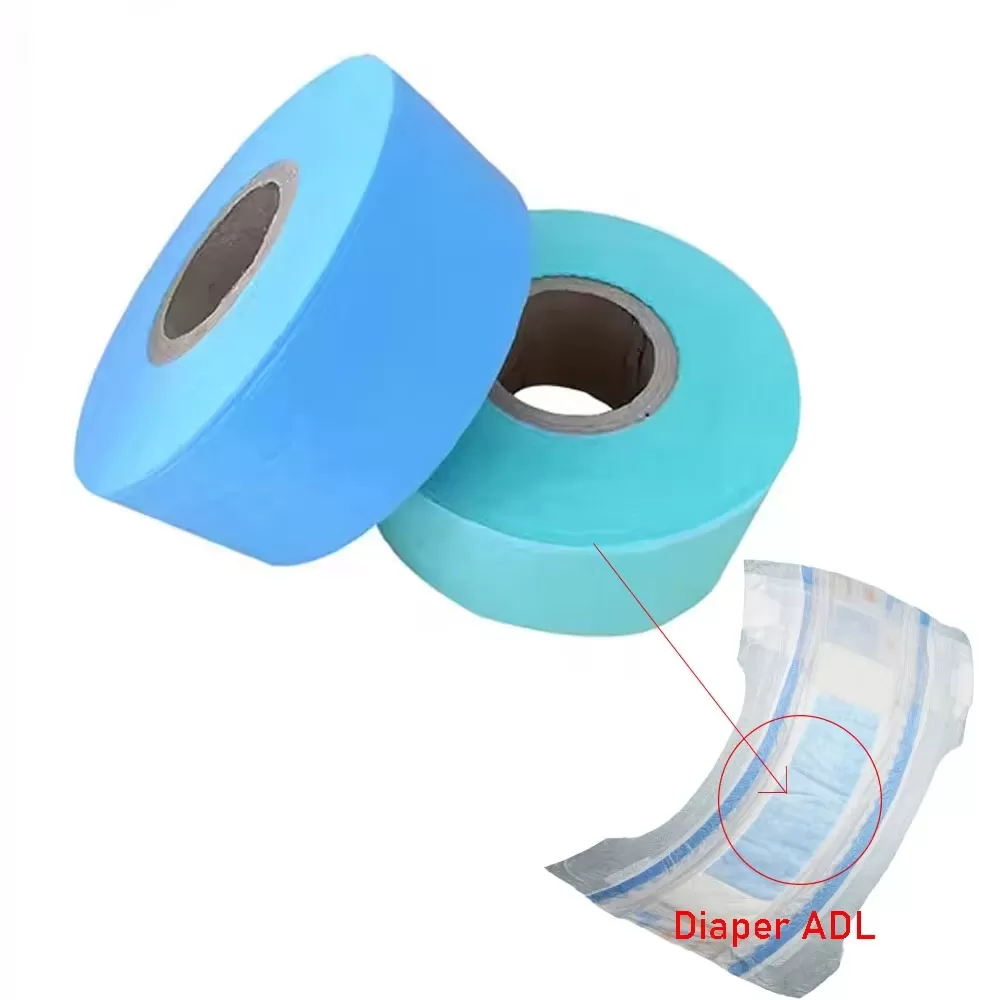
Depending on the target market—whether it is acute care hospitals, long-term care facilities, or retail pharmacy distribution—different styles of fixation pants are required to fit over primary diapers.
| Garment Type | Primary Material | Best Application Scenario | Key Product Benefit |
|---|---|---|---|
| Mesh Fixation Pants | Polyester & Elastane (Warp-knitted mesh) | Hospitals, short-stay surgical recovery, post-partum care | Maximum breathability, highly economical, visible diaper wetness indicator through the mesh |
| Seamless Knit Boxer Style | Polyamide & Elastane (Seamless micro-knit) | Active home-care patients, premium retail brands | Resembles standard underwear, high discretion, maximum skin comfort with wide waistbands |
| SMS Non-Woven Pants | 100% Polypropylene SMS fabric | Emergency services, infectious disease units, single-use clinical environments | Zero washing required, low unit cost, effective barrier protection |
How KIMEPR Supports OEM/ODM Partners
As a dedicated manufacturing partner, KIMEPR provides end-to-end OEM and ODM services to help brands build a robust product portfolio. Our capabilities extend beyond standard knitting to offer tailored solutions that meet specific market demands.
Custom Elasticity Profiling: We can adjust the spandex ratio and knitting density to match specific compression requirements requested by clinical clients.
Private Labeling and Packaging: From bulk institutional packaging designed to reduce waste, to retail-ready individual boxes with multi-lingual branding, we handle complete packaging customization.
Color Coding for Sizing: To save time for caregivers in busy ward environments, we can integrate color-coded waistbands or heat-transfer labels that allow for rapid size identification.
Sustainable Material Sourcing: In response to growing environmental concerns, we offer bio-based synthetic fibers and recycled polyester options to help our partners meet their corporate sustainability targets.
Frequently Asked Questions
Q1: Why is a dedicated fixation panty preferred over standard underwear when holding an adult diaper in place?
A1: Standard retail underwear lacks the specific elasticity profiles and wide leg openings required to accommodate a bulky, saturated absorbent brief. Standard underwear often causes sagging, does not hold the diaper snugly against the perineal area, and can suffer from permanent fabric stretch and staining. A dedicated fixation panty is engineered with the precise memory retention needed to stabilize the diaper under load while allowing moisture vapor to escape.
Q2: Can these fixation pants be used with both disposable insert pads and full protective briefs?
A2: Yes. The structural design of a high-quality fixation panty is versatile. It is commonly used to secure anatomical insert pads (unbacked or breathable pads) as well as full protective diapers. In both cases, the outer panty provides the compression required to maintain the placement of the absorbent core, regardless of the patient's movement.
Q3: What quality control standards should a B2B importer look for in a manufacturer?
A3: B2B importers should verify that the manufacturing facility operates under ISO 9001 and ISO 13485 (for medical devices) quality management systems. Additionally, ensure the finished products hold certifications such as CE compliance and OEKO-TEX Standard 100. These certifications ensure the garments are safe for prolonged skin contact and meet the rigorous standards of global healthcare environments.
Q4: How does the washability of polyester-blend fixation pants compare to non-woven alternatives?
A4: Polyester/polyamide blend fixation pants are highly durable and designed for repeated reuse, often lasting between 50 to 100 industrial wash-and-dry cycles at high temperatures. In contrast, SMS non-woven pants are designed as single-use or short-term disposable items. They are ideal for situations where laundering is impractical or where infection control requires immediate disposal after use.
Q5: What are the typical lead times and minimum order quantities (MOQ) for custom OEM production?
A5: Lead times and MOQs vary depending on the level of customization required, such as custom sizing, specific yarn compositions, or private label packaging. Generally, standard configurations have lower MOQs, whereas fully customized seamless knit styles require larger production runs to calibrate the high-speed circular knitting machinery. KIMEPR works closely with distributors to optimize production runs and ensure timely delivery schedules.
Partner with KIMEPR for High-Performance Incontinence Wear
Reliable incontinence care accessories require precise manufacturing, high-quality materials, and a deep understanding of patient needs. Offering a premium fixation solution, such as a specialized panty over diaper, allows distributors to provide healthcare facilities with a reliable method for minimizing leaks, protecting patient skin, and lowering operational costs.
KIMEPR is committed to supporting your business with scalable manufacturing capabilities, strict quality assurance, and customized OEM/ODM partnerships. Contact our B2B procurement team today to request product specifications, arrange sample shipments, or discuss your private label manufacturing requirements.