
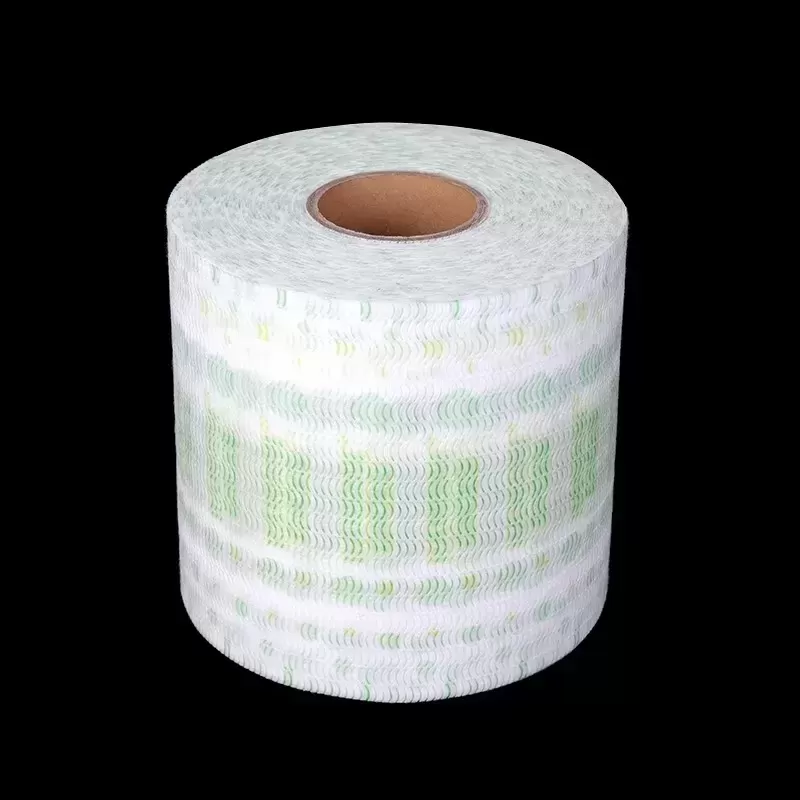
The global hygiene product sector has experienced notable transformations over recent years, driven by shifting demographic patterns, rising disposable incomes in emerging markets, and continuous material science innovations. For international buyers and brand owners, navigating the global diaper trade requires a comprehensive understanding of raw material sourcing, regulatory frameworks, logistics efficiency, and manufacturing methodologies. To maintain market share, distributors must align with manufacturers that understand these challenges and provide consistent, high-quality production pipelines.
As consumer expectations shift toward skin health, eco-friendliness, and cost-efficiency, the purchasing decisions of distributors have become increasingly complex. Partnering with experienced manufacturers like KIMEPR provides distributors with the requisite engineering insights and production reliability needed to address local market demands while keeping supply chains resilient.
Global Raw Material Dynamics and Supply Chain Resilience
To analyze the cost structure of modern hygiene products, one must examine the raw materials that comprise the modern diaper. Fluctuations in the commodity pricing of these inputs directly influence the pricing models within the diaper trade. A standard disposable diaper consists of several key layers, each requiring specific polymers and natural fibers:
Superabsorbent Polymers (SAP): Typically sodium polyacrylate, these cross-linked polymers are responsible for absorbing fluid and retaining it under pressure. The ratio of SAP to fluff pulp determines the thickness and absorption capacity of the core.
Fluff Pulp: Sourced mainly from sustainably managed softwood forests (such as Southern Yellow Pine), fluff pulp provides the initial absorption speed and capillary action to distribute liquid before the SAP locks it away.
Nonwoven Fabrics: Used for the topsheet, backsheet, and barrier cuffs. Spunbond-meltblown-spunbond (SMS) nonwovens are standard for leg cuffs to provide hydrophobic barriers, while hydrophilic carded or spunbond nonwovens are used for the topsheet to facilitate rapid fluid entry.
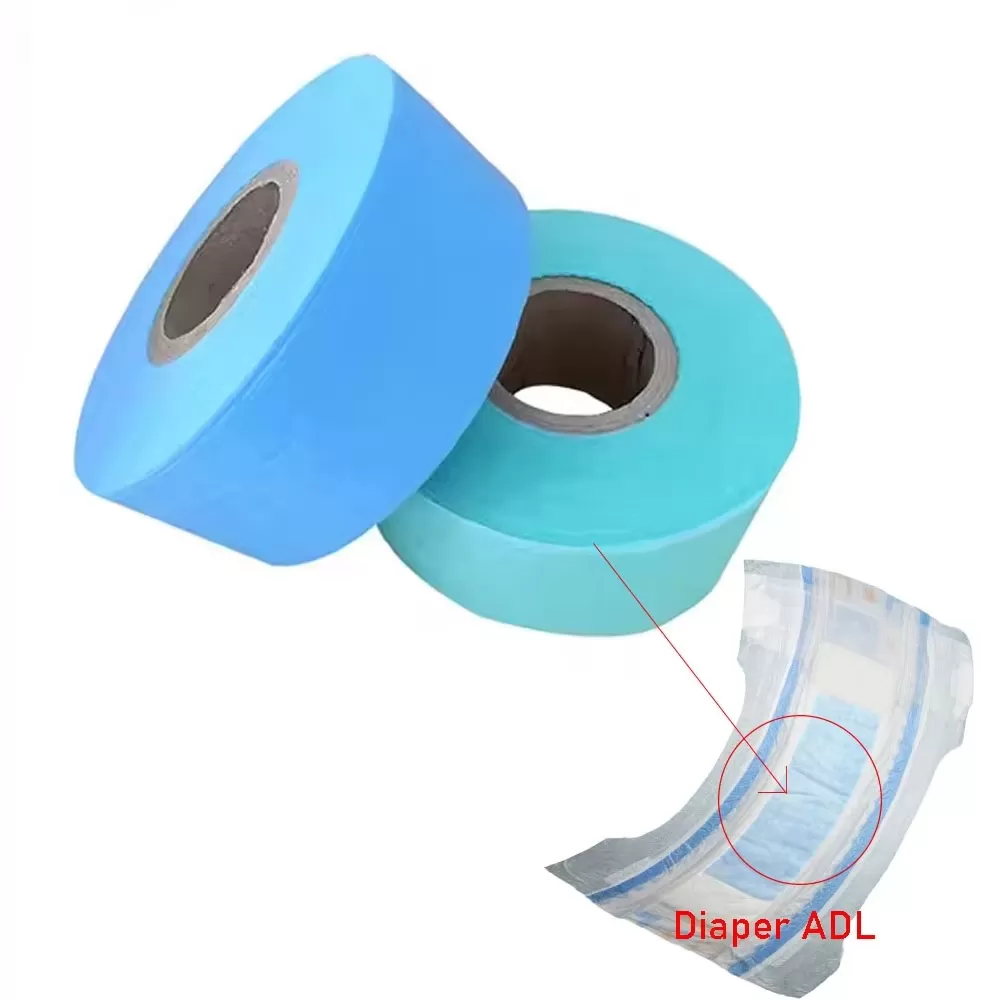
Acquisition Distribution Layer (ADL): A high-loft sub-layer positioned between the topsheet and the core, designed to temporarily hold fluid and distribute it evenly across the absorbent core to prevent localized gel blocking.
Adhesives and Elastics: Hot-melt adhesives are used for construction and elastic positioning. Elastomeric polyurethane filaments are utilized in the waistbands and leg cuffs to ensure a snug fit.
Because these materials are closely tied to petrochemical and timber markets, pricing volatility can disrupt production planning. Sourcing partners must maintain long-term relationships with tier-one material suppliers to buffer against sudden price surges, ensuring price stability for global distributors.
Regulatory Compliance and Standards in the Diaper Trade
Importing and distributing hygiene products requires strict adherence to regional regulatory frameworks. Failure to comply with national standards can result in customs delays, heavy fines, or product recalls. A thorough understanding of regulatory compliance in the diaper trade is a fundamental requirement for any international trading entity.
In Europe, products must conform to the General Product Safety Regulation (GPSR) and often require dermatological certifications (such as Dermatest) to prove skin compatibility. In the United States, the Food and Drug Administration (FDA) monitors materials used in personal hygiene items to ensure they do not contain harmful substances like heavy metals, elemental chlorine, or sensitizing fragrances. Furthermore, certifications like ISO 9001 for quality management systems, ISO 14001 for environmental management, and Forest Stewardship Council (FSC) certification for fluff pulp are highly valued by corporate buyers.
To satisfy these requirements, manufacturers must implement rigorous quality management systems. This involves batch traceability for all raw materials, routine microbial testing on finished products, and physical performance testing (such as re-wet values, run-off rates, and absorption under pressure).
Logistics, Packaging, and Container Load Optimization
Because diapers are lightweight but highly voluminous products, efficient shipping is a primary cost driver in the diaper trade. Freight costs can disproportionately impact the final landed cost per pack if the logistics are not planned with precision. High-density compression packing is the primary method used to address this issue.
Manufacturers utilize heavy-duty vacuum-packing machinery to compress diaper packages before loading them into outer cartons or polybags. This process reduces the overall volume of the product, allowing for a significantly higher piece count per shipping container. For instance, optimizing the compression ratio can increase the capacity of a standard 40-foot High Cube (40HC) container by up to 20% to 30%, lowering the per-unit freight cost.
However, excessive compression can damage the integrity of the materials, particularly the loft of the acquisition distribution layer and the elasticity of the waistbands. Balancing maximum container utilization with product recovery post-unpacking is a key engineering consideration that reputable manufacturers manage through structured product design and compression testing.
Strategic Sourcing: OEM vs. ODM Partnerships
Distributors must decide between Original Equipment Manufacturing (OEM) and Original Design Manufacturing (ODM) when selecting a manufacturing partner. Each model offers distinct operational advantages depending on the distributor's market position, financial resources, and brand strategy.
In the OEM model, the brand owner provides specific product designs, material specifications, and packaging layouts, while the manufacturer handles the physical production. This model is ideal for established brands with in-house product development teams that require strict control over raw material selections and proprietary features.
In contrast, the ODM model leverages the manufacturer's existing product formulations, structural designs, and packaging templates. This approach significantly shortens the time-to-market and reduces the initial capital outlay for product development. KIMEPR offers versatile manufacturing configurations that cater to both OEM and ODM requirements, utilizing automated production lines to deliver consistent product dimensions, elastic tensioning, and raw material distribution across all production batches.
Material Evolution: Biodegradability and Premiumization
As regulatory bodies in various jurisdictions impose stricter rules on single-use plastics and waste management, shifting consumer preferences are reshaping the diaper trade. Premiumization and eco-friendly attributes are no longer niche categories; they are key drivers of growth in mature markets.
The transition toward bio-based materials involves replacing conventional plastics with sustainable alternatives:
Polylactic Acid (PLA) Topsheets: Derived from renewable resources like corn starch, PLA offers a biodegradable alternative to polypropylene nonwovens while maintaining high liquid permeability.
Bamboo Fiber: Bamboo is fast-growing and requires few pesticides. Nonwoven sheets made from bamboo fibers provide natural softness and breathability, making them highly marketable for sensitive skin lines.
Totally Chlorine-Free (TCF) Fluff Pulp: Traditional elemental chlorine-free (ECF) bleaching is increasingly being replaced by TCF methods, which utilize oxygen, ozone, or hydrogen peroxide to bleach the wood pulp, reducing toxic wastewater output in pulp mills.
Biodegradable Backsheets: Breathable backsheets made from starch-based bioplastics combined with nonwovens help reduce the environmental footprint of the diaper after disposal.
While bio-based raw materials generally carry higher production costs, they command a premium retail price. Successful distributors balance these material selections based on local purchasing power and environmental legislation in their target regions.
Addressing Operational Pain Points in Global Distribution
Managing an international distribution network for disposable hygiene products involves navigating several operational challenges. Delays in raw material sourcing, unexpected customs hold-ups, and changes in consumer demand can quickly strain supply chain liquidity.
One major operational challenge is moisture management during sea transit. High-humidity environments in shipping containers can degrade the hot-melt adhesives used in diaper construction or compromise the absorbent core if the packaging is not hermetically sealed. Utilizing moisture-barrier outer packaging and placing desiccant bags in shipping containers helps protect the product's physical properties from port of origin to the distributor's warehouse.
Furthermore, maintaining lead time consistency requires manufacturers to have localized supply networks for key inputs like SAP and nonwovens. This mitigates the impact of geopolitical disruptions on logistics, ensuring that production schedules remain on track.
Inquiry and Collaboration
Securing a reliable, high-capacity manufacturing partner is essential for distributors looking to scale their business. When partnering with experienced entities in the diaper trade, companies can expect reliable quality control, transparent material sourcing, and efficient shipping arrangements.
If you are looking to expand your product portfolio, customize specifications for a specific market, or improve your current supply chain reliability, please contact KIMEPR. Our team of product specialists and logistics coordinators is ready to provide detailed material specifications, container loading calculations, and pricing structures tailored to your operational scale.
Frequently Asked Questions
Q1: What is the minimum order quantity (MOQ) for custom private label diapers?
A1: For custom private label products, the minimum order quantity typically starts at one 40-foot High Cube (40HC) container per size. This requirement is driven by the setup times and raw material roll changeovers on high-speed automated production lines.
Q2: How does the choice of Superabsorbent Polymer (SAP) affect diaper performance?
A2: The brand and quality of SAP determine the absorption capacity, absorption rate under pressure, and gel strength of the diaper core. Premium SAP brands prevent gel blocking, which occurs when wet polymer particles swell together and block fluid from reaching dry parts of the core.
Q3: How do you prevent dampness and core damage during long sea transit?
A3: We utilize moisture-resistant outer polybags and secure the master cartons on wrapped pallets. Additionally, we place high-capacity industrial desiccants inside the shipping containers to absorb ambient moisture and prevent humidity buildup during sea voyages.
Q4: Can we supply our own packaging designs for OEM production?
A4: Yes, we accommodate OEM requests. You can supply your specific artwork, branding guidelines, and dimensional preferences, and our engineering team will align them with our packaging machinery specifications.
Q5: What are the main differences between ECF and TCF fluff pulp?
A5: Elemental Chlorine Free (ECF) pulp uses chlorine dioxide for bleaching, which reduces chlorinated organic compounds compared to older methods. Totally Chlorine Free (TCF) pulp uses no chlorine derivatives whatsoever, employing oxygen or ozone, making it the preferred choice for eco-conscious markets.