
In the global hygiene products market, managing moderate-to-severe incontinence efficiently remains a primary objective for institutional healthcare providers and retail brands alike. Standard protective garments often require frequent replacement, which increases operational expenses and labor requirements. To mitigate these challenges, professional buyers look to auxiliary absorbent solutions. A primary product category in this segment is the under diaper booster pad, a specialized insert designed to work in tandem with a host brief or diaper to extend wear time and manage fluid dispersion.
For B2B distributors and brand owners partnering with manufacturers like KIMEPR, understanding the structural composition, material science, and performance metrics of these inserts is necessary for maintaining product quality. This guide provides an in-depth analysis of the technical configurations, raw material choices, and quality control systems required to produce high-performance under diaper solutions that meet international standards.
The Functional Role of Under Diaper Inserts in Hygiene Management
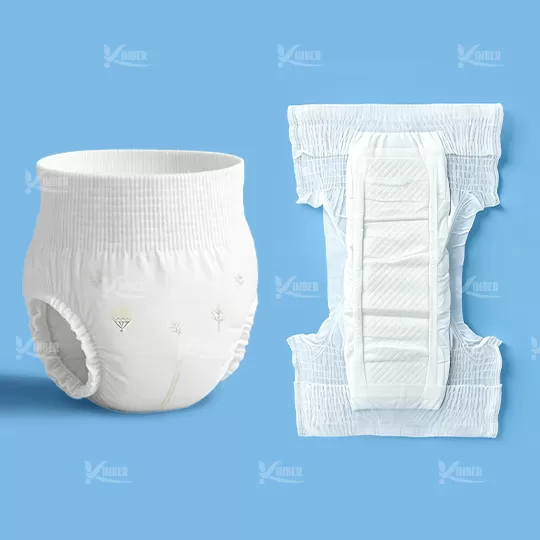
An under diaper booster pad differs significantly from standard shaped pads or liners. While a standard pad features a waterproof backsheet to prevent liquid from escaping, a booster designed to be worn inside another diaper utilizes a flow-through design. Once the insert reaches its maximum absorption capacity, excess fluid passes through the permeable outer barrier into the primary protective garment underneath.
This dual-layer system serves several functions in clinical and home care settings:
It localized fluid management, directing the initial volume to the most needed areas.
It reduces the frequency of complete diaper changes, which minimizes disturbance to patients, particularly during nocturnal hours.
It lowers overall waste volume, as replacing only the insert is more resource-efficient than disposing of a complete adult diaper or protective brief.
From a product positioning perspective, offering a reliable under diaper booster allows distributors to address the needs of high-demand markets, such as long-term care facilities and specialized pediatric care. By providing an auxiliary layer that integrates with existing inventory, brands can expand their product lines without redesigning their core diaper offerings.
Anatomy of a High-Performance Under Diaper Booster Pad
Understanding the exact material composition of these products is necessary for B2B procurement teams. A standard high-capacity insert consists of four primary functional layers, each engineered to perform specific fluid management tasks.
1. The Hydrophilic Topsheet
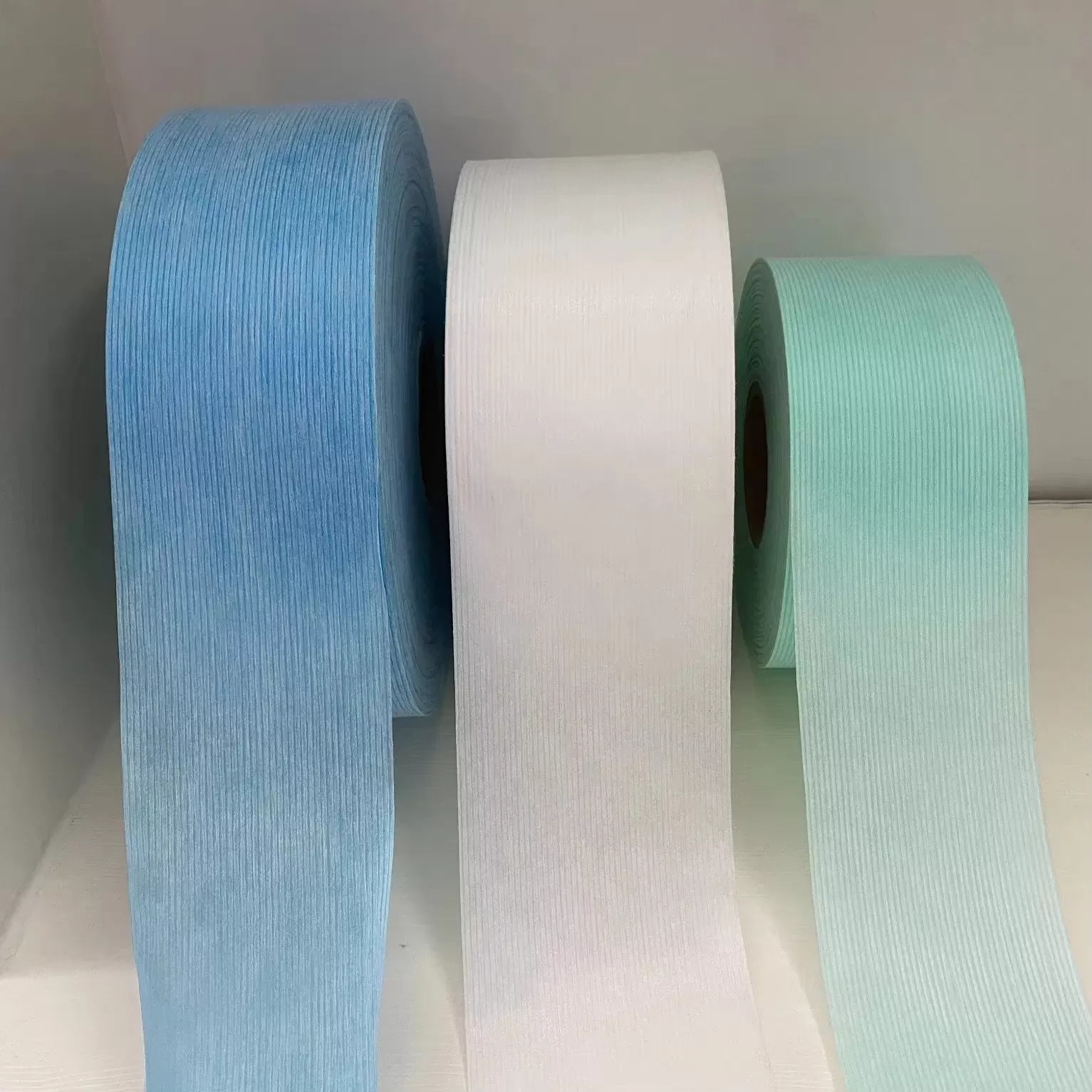
The uppermost layer, which comes into direct contact with the user's skin, must facilitate rapid fluid acquisition while remaining soft and dry. Manufacturers typically utilize spunbond polypropylene (PP) or carded thermal-bonded nonwoven fabrics. These materials are treated with surfactant finishes to make them hydrophilic, allowing liquid to pass through immediately without pooling on the surface. The basis weight of this topsheet typically ranges from 12 to 18 grams per square meter (gsm) to balance structural integrity with tactile comfort.
2. The Acquisition Distribution Layer (ADL)
Positioned directly beneath the topsheet, the ADL plays a key role in fluid dynamics. It temporarily stores incoming liquid and distributes it along the longitudinal axis of the pad. This prevents localized gel blocking in the absorbent core. High-quality under diaper pads often feature a sub-layer of through-air bonded nonwoven (TABN) or resin-bonded high-loft fibers, usually weighing between 20 and 40 gsm. By dispersing the fluid evenly, the ADL ensures that the entire capacity of the absorbent core is utilized.
3. The Absorbent Core (SAP and Fluff Pulp Blend)
The core is the engine of the under diaper pad. It consists of a homogeneous blend of Superabsorbent Polymer (SAP) and elemental chlorine-free (ECF) wood fluff pulp. The ratio between these two components determines the absorbency profile and the structural retention of the pad when wet.
Superabsorbent Polymer (SAP): Sodium polyacrylate granules absorb and lock away fluid under pressure, converting liquid into a stable gel. The cross-linking density of the SAP is adjusted depending on whether the product is intended for rapid absorption or high retention under body weight.
Fluff Pulp: This component acts as the initial wicking medium, pulling fluid away from the ADL and distributing it to the SAP. It also provides physical structure to the core, preventing the SAP from shifting or clumping during movement.
4. The Flow-Through Backsheet
Unlike standard diapers that use a polyethylene (PE) or breathable polyurethane film to block fluid, an under diaper booster pad requires a highly permeable backsheet. This layer is usually constructed from a lightweight, hydrophobic spunbond nonwoven fabric (typically 10 to 15 gsm). The hydrophobic properties prevent immediate wet-through during minor voiding but allow fluid to pass freely under moderate pressure once the inner core is saturated. This engineering choice is what distinguishes a true booster pad from a standard insert.
Addressing Key Challenges in Under Diaper Manufacturing
Producing consistent, high-capacity under diaper products requires addressing several manufacturing challenges. Brand owners must evaluate these factors when selecting an OEM/ODM partner like KIMEPR to ensure long-term product reliability.
Preventing Gel Blocking
Gel blocking occurs when SAP particles absorb fluid near the surface, swell, and create a physical barrier that prevents subsequent liquid from reaching the dry areas of the core. To prevent this issue, manufacturing lines must achieve a precise blend of fluff pulp and SAP. Advanced drum-forming technology ensures that the SAP is distributed evenly throughout the three-dimensional matrix of the core rather than concentrated in a single layer.
Core Integrity and Wet Strength
When an under diaper pad becomes saturated, it is subjected to mechanical forces from the wearer's movement. If the core lacks sufficient structural integrity, it can clump, crack, or tear, leading to localized leakage and skin irritation. Manufacturers solve this by wrapping the core in a lightweight tissue or SMS (spunbond-meltblown-spunbond) carrier sheet and applying structural hot-melt adhesives in a precise pattern to bond the core layers together.
Adhesive Application and Position Stability
An under diaper pad must remain securely in place inside the host diaper to perform effectively. This requires the application of a reliable positioning adhesive on the backsheet. The adhesive must provide sufficient tack to hold the pad in place during movement, yet release cleanly without tearing the inner lining of the host diaper. This balance is achieved by selecting premium pressure-sensitive adhesives (PSA) and optimizing the slot-coat or multi-line spray patterns during assembly.
Technical Specification Comparison for Sourcing Teams
When drafting product specifications for custom manufacturing, B2B buyers should categorize products based on application. The table below outlines typical specifications for different market segments:
| Product Segment | Dimensions (mm) | Total Weight (g) | SAP Content (g) | Target Capacity (ml) |
|---|---|---|---|---|
| Pediatric / Youth | 300 x 100 | 15 - 20 | 3 - 5 | 250 - 350 |
| Adult Standard | 380 x 120 | 30 - 40 | 6 - 9 | 500 - 650 |
| Adult Overnight / Heavy Duty | 450 x 140 | 50 - 65 | 10 - 14 | 800 - 1000 |
E-E-A-T Sourcing Criteria: Evaluating Your Manufacturing Partner
In the hygiene products sector, compliance and quality assurance are non-negotiable. Sourcing teams must verify that their manufacturing partners possess the technical expertise and infrastructure required to produce safe, medical-grade products. KIMEPR maintains strict adherence to international quality management systems to guarantee compliance across all product batches.
1. Quality Management Certifications
Facilities should operate under ISO 9001:2015 standards for quality management and, where applicable, ISO 13485 for medical devices if the products are distributed into clinical environments. These frameworks ensure that every step of the production process, from raw material inspection to final packaging, is fully documented and traceable.
2. Laboratory Testing Protocols
A reliable manufacturer conducts continuous testing on the production line. Key testing procedures include:
Rewet Testing (Collano Method): Measures the amount of fluid that returns to the surface of the topsheet under pressure, ensuring skin dryness is maintained.
Acquisition Time: Evaluates how quickly the pad can absorb a specified volume of synthetic urine across multiple voids.
Centrifuge Retention Capacity (CRC): Measures the absolute fluid retention capability of the SAP and pulp blend after being subjected to centrifugal force.
Absorption Under Load (AUL): Assesses the ability of the SAP to absorb fluid while under physical pressure, simulating a user sitting or lying down on the under diaper pad.
3. Supply Chain Traceability
Responsible sourcing of raw materials is increasingly important to consumers and regulatory bodies. Utilizing FSC-certified (Forest Stewardship Council) fluff pulp ensures that the wood fibers are obtained from responsibly managed forests. Additionally, verifying that all nonwovens are free from harmful chemicals, heavy metals, and optical brighteners is standard practice for premium product lines.
B2B Procurement and Logistics Optimization
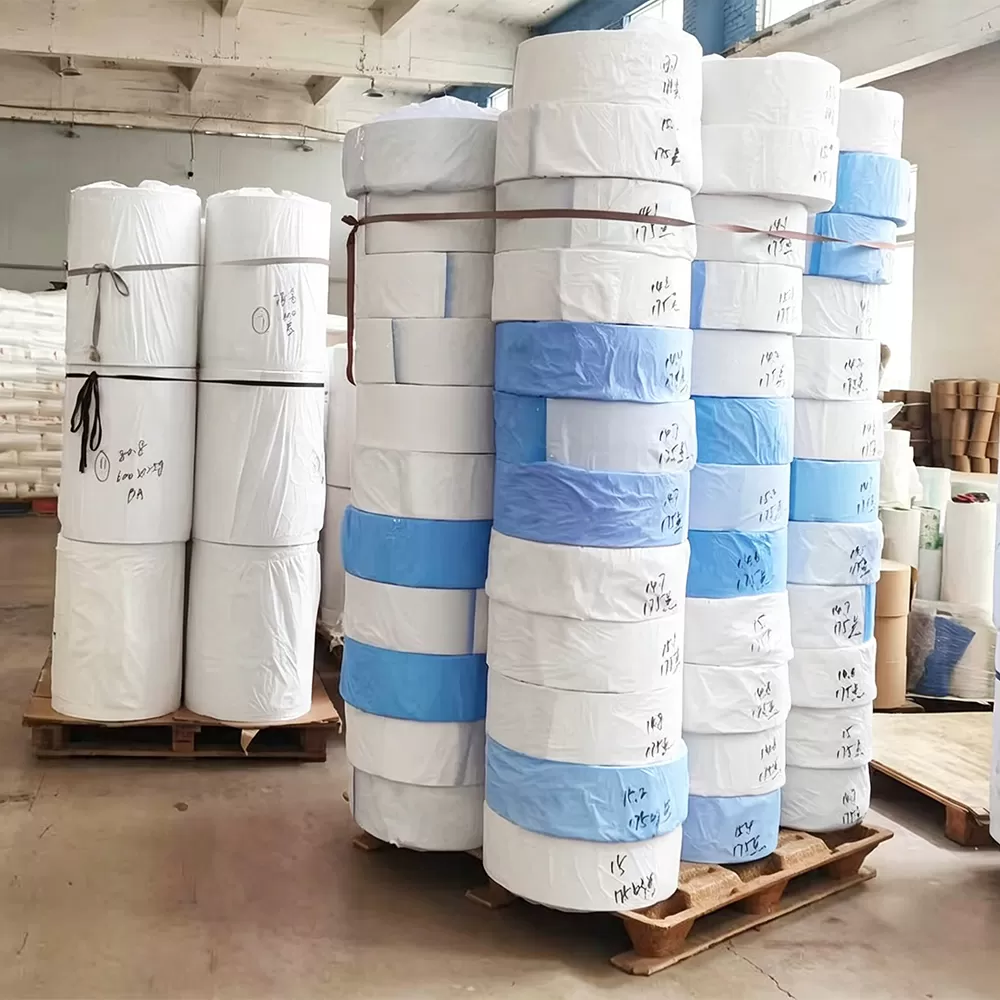
Sourcing under diaper inserts involves managing complex logistics to maintain healthy margins. Because these products are relatively low in density but high in volume, packaging optimization is highly important. Compressible packaging designs allow for a higher count of products per bag and more cartons per shipping container, directly reducing ocean and overland freight costs.
Furthermore, establishing flexible OEM/ODM agreements allows distributors to adjust product specifications, such as bag counts, private label branding, and carton configurations, to match local market preferences. Working with KIMEPR enables procurement teams to access stable supply lines, scale production capacities during peak demand, and customize absorption profiles to fit specific target demographics.
Frequently Asked Questions
Q1: What is the main difference between an under diaper booster pad and a standard adult shield or liner?
A1: The main difference lies in the backsheet design. A standard shield or liner features a waterproof backing (typically PE or breathable film) to prevent fluid from passing through. An under diaper booster pad has a highly permeable, flow-through backsheet. Once the booster pad reaches its fluid capacity, it allows excess liquid to pass through into the outer diaper, maximizing the total absorption capacity of the combined system without leaking from the sides.
Q2: Can these booster pads be used with both tape-style diapers and pull-up protective underwear?
A2: Yes, they are compatible with both configurations. The under diaper insert is designed with an adhesive strip on the backsheet that adheres securely to the inner lining of either a tape-style brief or a pull-up pant, keeping the pad stable during movement.
Q3: How does the use of booster pads impact overall skin health?
A3: By adding a dedicated acquisition layer closer to the body, these pads rapidly draw moisture away from the skin. The superabsorbent polymer locks the fluid into a gel, reducing skin exposure to wetness. This dry microclimate helps minimize the risk of diaper dermatitis and skin maceration, particularly during extended overnight wear.
Q4: What customization options does KIMEPR offer for OEM clients?
A4: KIMEPR provides customizable dimensions, varying ratios of SAP to fluff pulp to achieve target absorption capacities, customizable ADL configurations, and personalized packaging options. This allows brands to tailor products to specific market segments, such as pediatric, maternity, or bariatric care.
Q5: What are the typical minimum order quantities (MOQ) for custom-branded under diaper products?
A5: MOQs vary depending on the product size, custom packaging requirements, and material specifications. Generally, standard B2B production runs require a minimum container load (e.g., a 20-foot or 40-foot high-cube container) to optimize manufacturing efficiency and shipping costs. Specific requirements can be negotiated based on long-term partnership agreements.
Initiate Your Sourcing Partnership
Developing a high-performance under diaper product line requires reliable materials, advanced manufacturing equipment, and strict quality control. KIMEPR assists global brands and distributors in designing, manufacturing, and supplying premium hygiene solutions tailored to specific market demands.
To discuss your product specifications, request sample batches, or obtain a detailed manufacturing quote, please contact our B2B sales division. Submit your detailed product requirements and project timeline today to receive a comprehensive Inquiry response from our technical team.