
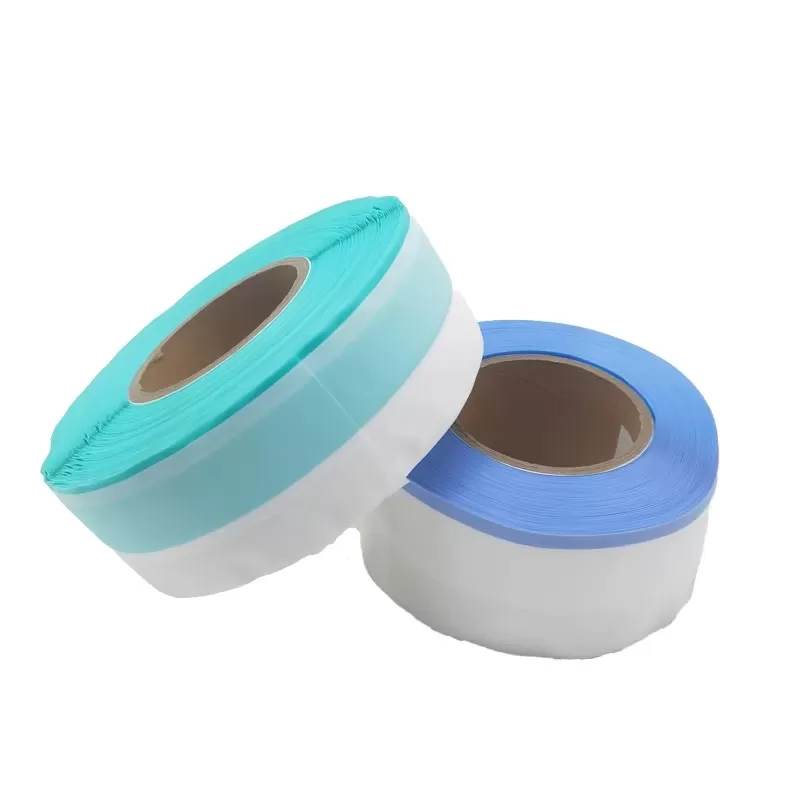
The global demand for adult incontinence solutions has grown steadily, driven by shifting demographic patterns, increased life expectancy, and a heightened focus on clinical hygiene standards in healthcare facilities. For institutional buyers, procurement officers, and private label distributors, selecting appropriate containment products involves a careful evaluation of material sciences and manufacturing consistency. High-performance people diapers must balance absorption capacity, skin protection, and cost efficiency to meet the rigorous demands of long-term care facilities, hospitals, and retail markets.
As a global manufacturer in the hygiene products sector, KIMEPR recognizes that the selection of raw materials and the precision of the assembly process directly impact product performance. By understanding the underlying engineering of these products, B2B buyers can make informed procurement decisions that reduce overall waste, minimize changing frequencies, and ensure skin integrity for end-users.
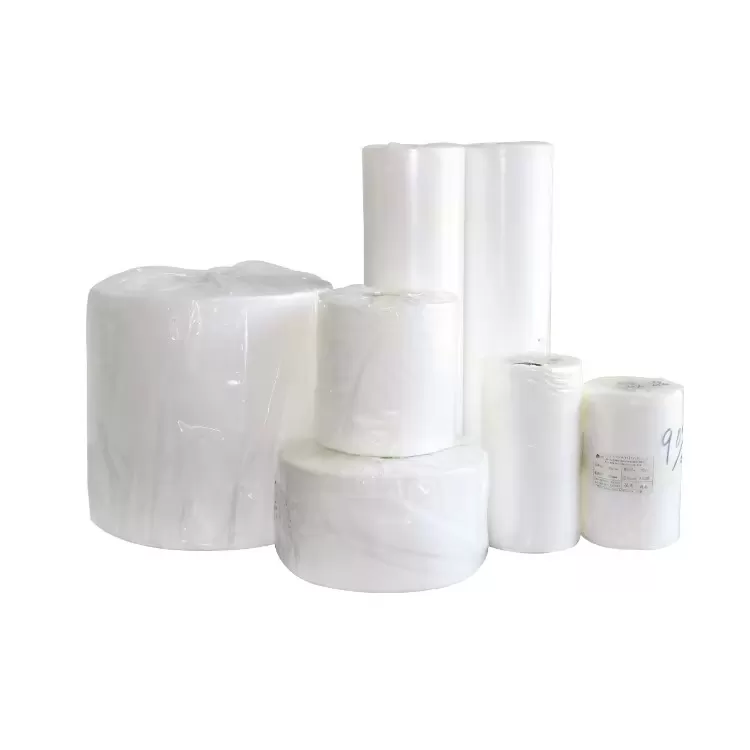
1. The Multi-Layered Material Architecture of Modern Absorbent Core Systems
The performance of any modern containment product depends primarily on its core design. Standard configurations have transitioned from simple wood pulp structures to complex multi-layered composite cores that manage moisture distribution efficiently.
The core configuration relies on several distinct functional layers working in tandem:
The Topsheet Layer: This is the contact surface with the skin. It utilizes hydrophilic non-woven fabrics, typically spunbond polypropylene, which allow fluids to pass through rapidly while remaining dry to the touch.
The Acquisition Distribution Layer (ADL): Positioned immediately below the topsheet, this sub-layer temporary stores fluid surges and distributes them laterally along the length of the core, preventing localized saturation.
The Superabsorbent Polymer (SAP) and Fluff Pulp Matrix: The main storage zone. Sodium polyacrylate particles, or SAP, are blended with cellulose wood pulp fibers. The pulp provides structural integrity and immediate temporary absorption, while the polymer locks moisture into a gel state under pressure.
The Backsheet Barrier: A liquid-impermeable layer, often composed of a polyethylene film laminated with a breathable non-woven textile. This outer barrier prevents leakage while allowing microscopic water vapor molecules to escape, reducing heat buildup.
The ratio of SAP to fluff pulp is a primary determinant of both thickness and absorption capacity. Higher concentrations of SAP allow for thinner, more discreet designs without sacrificing containment volume, which is a major trend in retail markets. Conversely, institutional buyers often select a slightly higher pulp ratio to achieve rapid fluid acquisition rates for sudden voiding episodes.
2. Managing Moisture and Skin Health Through Engineered Air Permeability
Maintaining skin integrity is a primary concern in both clinical environments and domestic care settings. Prolonged exposure to moisture and warmth can lead to skin maceration and incontinence-associated dermatitis (IAD). Therefore, the breathability of the outer materials is just as necessary as the absorption capacity of the core.
Air permeability is achieved through the integration of microporous backsheet films. These films contain billions of microscopic pores that are large enough to permit the passage of gas and vapor molecules, yet small enough to block liquid water droplets. This micro-ventilation lowers the relative humidity inside the product, mitigating the temperature elevations that contribute to skin breakdown.
In addition to airflow, the chemical neutrality of the materials plays a vital role. High-quality absorbent polymers are formulated to keep the pH level of the saturated core close to the natural slightly acidic pH of healthy skin (approximately 5.5). By inhibiting the breakdown of urea into ammonia, these engineered cores prevent pH spikes, thereby controlling odor generation and neutralizing alkaline threats to the skin barrier.
3. Mechanical Testing Standards and Quality Control in High-Speed Production
Sourcing reliable people diapers requires a clear understanding of the standardized testing methodologies used to verify product claims. Manufacturers like KIMEPR employ rigorous testing protocols on high-speed production lines to maintain quality consistency across millions of units.
To evaluate performance objectively, several key metrics are monitored in laboratory settings:
Rewet Value (Moisture Return): This test measures the amount of fluid that migrates back to the surface when subjected to mechanical pressure, mimicking the weight of a sitting or lying user. A lower rewet value indicates superior dryness.
Absorption Under Pressure (AUP): This metric measures the ability of the SAP to absorb saline solution while under a constant load of approximately 0.3 to 0.7 psi, ensuring the diaper performs effectively when the user is active or resting.
Centrifuge Retention Capacity (CRC): This test evaluates the maximum retention capacity of the superabsorbent materials after being saturated in saline and centrifuged, indicating the absolute limit of fluid containment.
Run-Off Rate: This test measures the speed at which a liquid dose flows over the surface of an inclined diaper before penetrating the topsheet, verifying the efficiency of the hydrophilic treatment.
Consistent production depends on advanced tension control systems for elastic components, such as leg cuffs and waistbands. Lycra or spandex strands must be applied under precise elongation percentages to avoid skin marking while maintaining a secure, leak-proof fit against the body contour.
4. Operational Application Scenarios and Customization for Commercial Markets
Different care environments require distinct product specifications. A uniform product design cannot meet the diverse needs of hospital wards, specialized rehabilitation centers, and high-volume retail chains simultaneously.
For high-turnover clinical environments, efficiency in application and removal is paramount. Open-style products featuring refastenable hook-and-loop tape tabs are highly favored because they allow caregivers to check skin condition and adjust the fit easily. These fastening systems must withstand multiple adjustments without tearing the outer non-woven backsheet.
For active individuals managing mild to moderate incontinence, pull-up style pants are preferred. These products prioritize comfort, discretion, and high elasticity. The manufacturing of pants involves continuous ultrasonic bonding of the side seams to ensure they remain soft against the hip while being easy to tear open for quick disposal.
From a commercial procurement standpoint, packaging efficiency is another vital logistical factor. Compressing the finished items into highly dense bags reduces ocean freight costs and warehouse storage requirements. However, the compression process must be carefully calibrated; excessive pressure can damage the fiber structure of the fluff pulp and slow down the initial fluid absorption speed upon opening.
5. Streamlining the Sourcing Process with KIMEPR
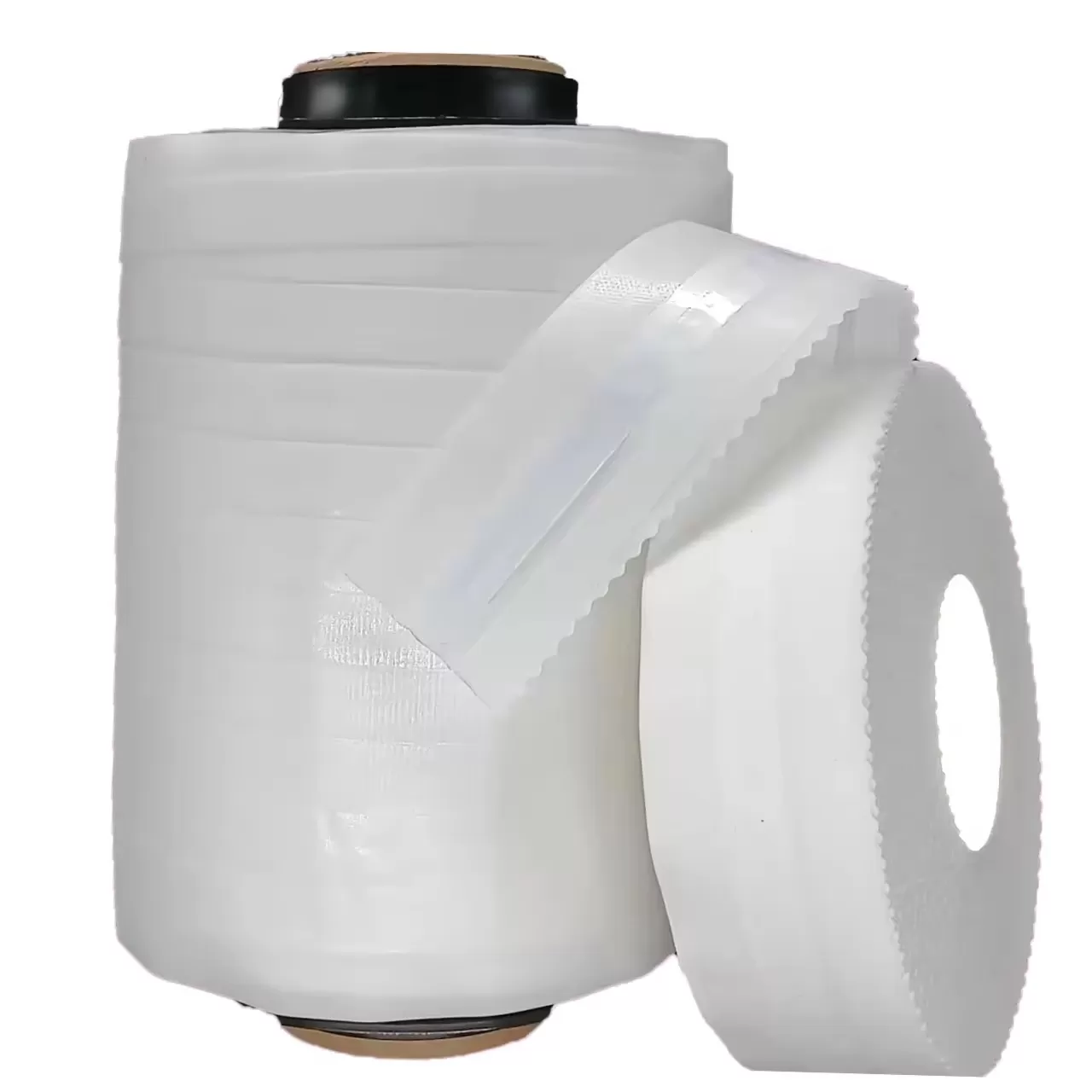
Choosing a manufacturing partner involves assessing not only their material options but also their supply chain stability and adherence to international regulatory standards. KIMEPR operates modern production facilities that prioritize mechanical efficiency, raw material traceability, and thorough quality assurance protocols.
Whether you require custom branding (OEM) or depend on established formulations (ODM), KIMEPR provides scalable solutions designed to match your specific market standards. Our engineering teams work to optimize the balance of SAP and pulp to meet specific cost targets while ensuring reliable leakage protection and structural integrity.
Frequently Asked Questions Regarding Adult Incontinence Sourcing
Q1: What are the primary raw materials used in the production of modern adult diapers?
A1: The primary raw materials include hydrophilic non-woven polypropylene for the topsheet, fluff pulp (typically sourced from sustainable softwood forests) and sodium polyacrylate (SAP) for the absorbent core, hydrophobic non-woven fabrics for the leg cuffs, and a breathable polyethylene film laminated with non-woven fabric for the outer backsheet.
Q2: How does a wetness indicator function, and how is it applied?
A2: Wetness indicators are typically applied as adhesive lines on the inside of the backsheet. These indicators utilize pH-sensitive dyes or water-soluble inks that change color or fade when exposed to moisture, alerting caregivers that a change is required without physical inspection.
Q3: What is the standard shelf life of bulk-stored incontinence products?
A3: Under proper storage conditions—characterized by cool temperatures, dry environments, and protection from direct UV radiation—most incontinence products maintain their performance characteristics for up to three to five years. Excess humidity in storage must be avoided, as the SAP can slowly absorb ambient moisture over time.
Q4: How do double-leg cuffs prevent side leakage in active users?
A4: Double-leg cuffs consist of an inner hydrophobic standing leg guard and an outer elasticized leg cuff. The hydrophobic barrier repels liquid, forcing it back toward the absorbent core, while the outer elastic provides a comfortable seal around the thigh to contain fluid during sudden movements.
Q5: What certifications should B2B buyers look for when importing these products?
A5: Buyers should verify compliance with ISO 9001 for quality management systems, ISO 13485 (if classified as medical devices in specific jurisdictions), and standard CE or FDA registrations depending on the destination market's regulatory frameworks.
Secure Your Sourcing Strategy with KIMEPR
Navigating the supply chain for adult hygiene products requires a manufacturing partner capable of delivering consistent quality, regulatory compliance, and customizable options. KIMEPR is committed to supporting our global B2B clients with robust material choices, reliable shipping schedules, and dedicated client support.
To request product samples, receive a detailed material quotation, or discuss your private label development plans, please contact our international trade department today. We look forward to evaluating your specific requirements and providing a reliable solution for your regional market.