
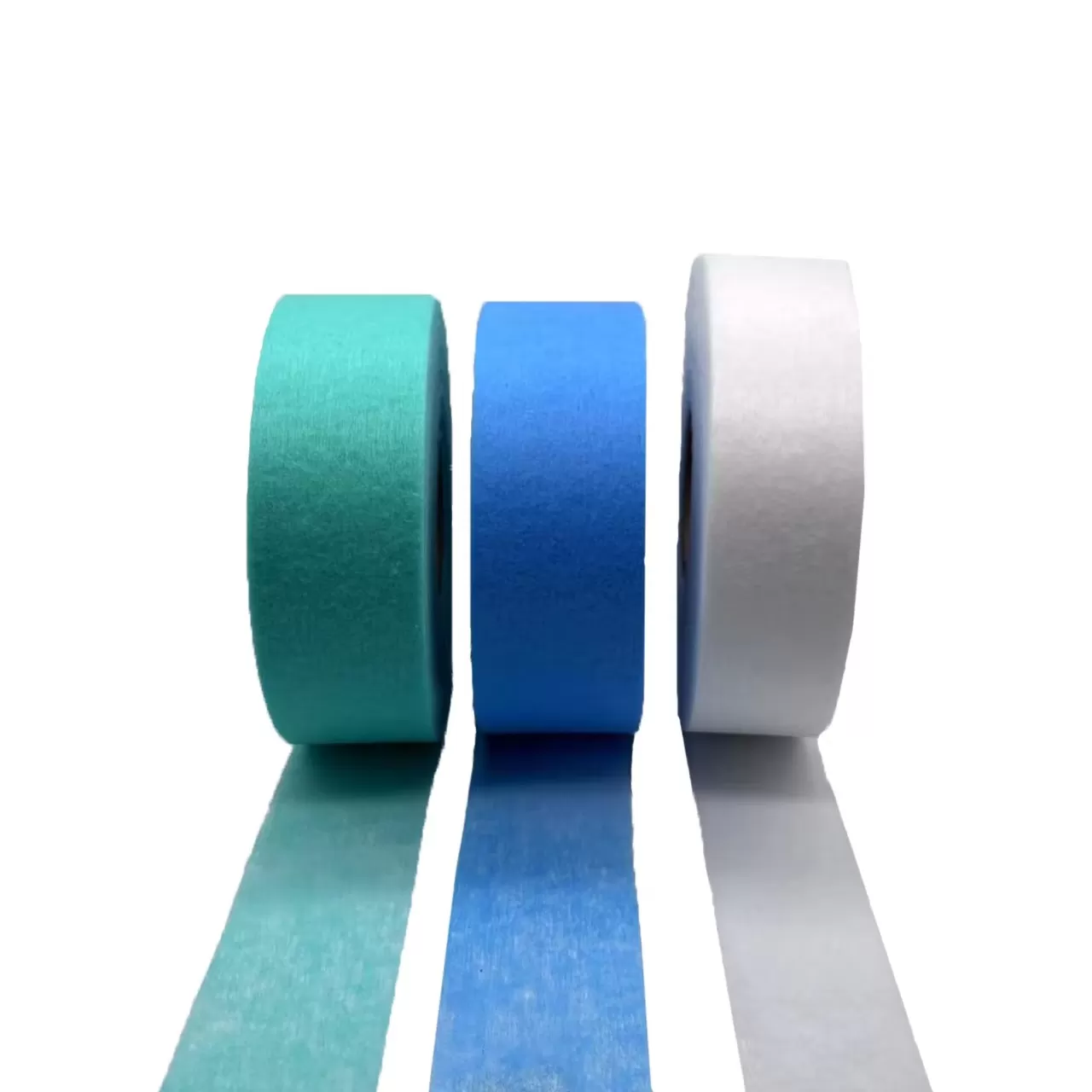
The global hygiene products market is currently navigating a period of pronounced cost sensitivity. For distributors, retailers, and brand owners, the challenge lies in procuring high-performance disposable diapers that remain accessible to price-sensitive consumer segments. Striking this balance requires a deep understanding of manufacturing processes, raw material choices, and structural designs that minimize unit costs while maintaining functional reliability.
In high-volume distribution, the best economical diapers are not simply those made with the cheapest materials. They are the result of precise engineering that maximizes the utility of every gram of superabsorbent polymer (SAP) and non-woven fabric. Partnering with a skilled manufacturer like KIMEPR allows B2B buyers to configure products that meet regional performance expectations without inflating the bill of materials (BOM).
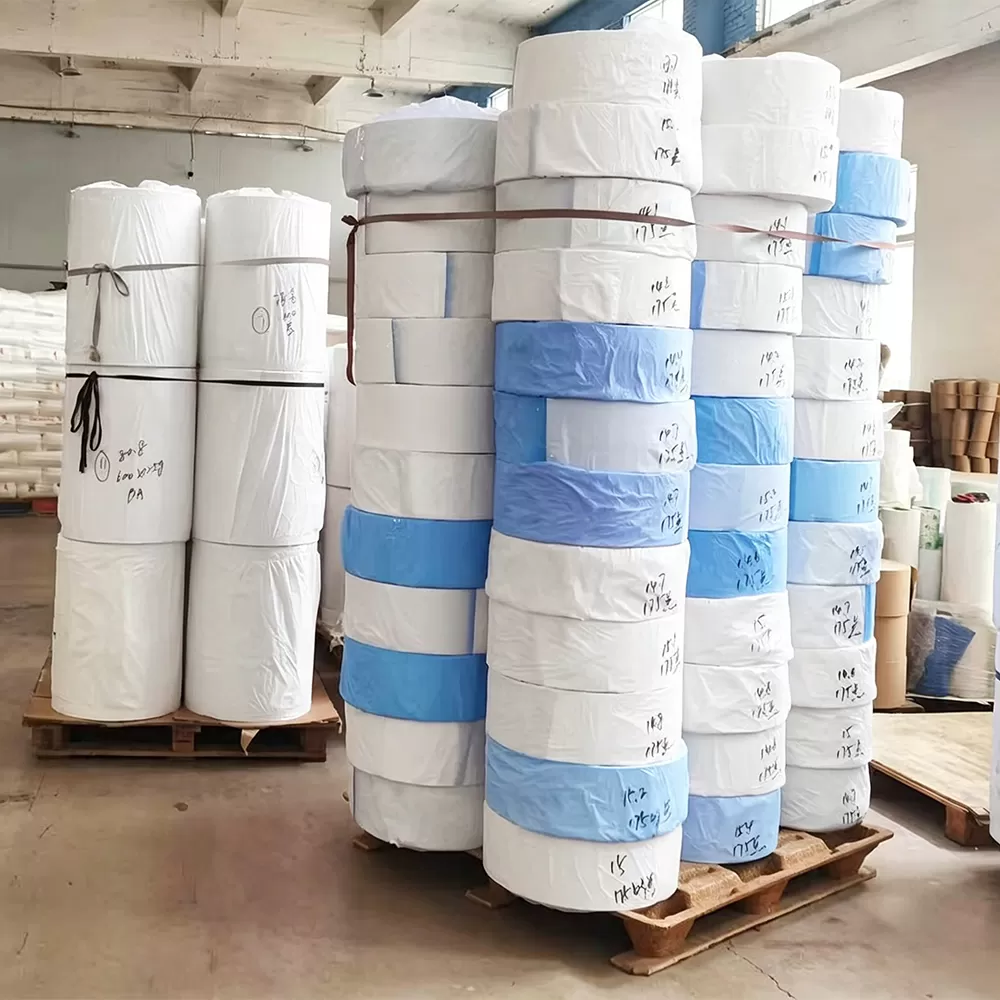
Analyzing the Material Composition of Cost-Efficient Baby Diapers
Understanding how raw materials influence both unit price and performance is the first step in sourcing. Diapers consist of several layers, each contributing to the overall cost structure. By evaluating these layers individually, importers can make informed decisions on where to adjust specifications.
The Superabsorbent Core: SAP to Fluff Pulp Ratio
The core is a highly significant cost component of any diaper. Traditional designs rely on a mixture of wood fluff pulp and superabsorbent polymer (SAP).
Fluff Pulp Dominant Cores: These cores use more wood pulp, which increases the physical bulk of the diaper. While pulp is relatively inexpensive per kilogram, the increased bulk leads to larger packaging, higher shipping costs, and a thicker profile that some modern consumers dislike.
High-SAP Cores: Using a higher concentration of SAP allows for a thinner diaper design. SAP holds multiple times its weight in fluid, meaning less material is needed overall. This thin profile reduces freight costs significantly, which often offsets the higher raw material price of the polymer.
Composite Cores: Also known as pre-fabricated cores, these eliminate fluff pulp almost entirely. They offer uniform absorption and prevent the core from breaking or clumping when wet, which is a common complaint in budget-tier products.
Top Sheet and Back Sheet Configuration
The top sheet, which directly contacts the infant's skin, must facilitate rapid fluid acquisition. Manufacturers use hydrophilic spunbond non-woven fabrics for this layer. For budget-conscious lines, reducing the basis weight (measured in grams per square meter, or GSM) of this non-woven fabric from 18 GSM to 12-15 GSM can yield significant cost savings without compromising skin dryness.
The back sheet prevents leakage onto clothing. A standard breathable polyethylene (PE) film, laminated with a lightweight spunbond non-woven to create a "cloth-like" feel, is the industry standard. Eliminating complex printing or multi-colored designs on this back sheet reduces ink consumption and production downtime, directly contributing to more competitive wholesale pricing.
Manufacturing Efficiencies and Core Technologies
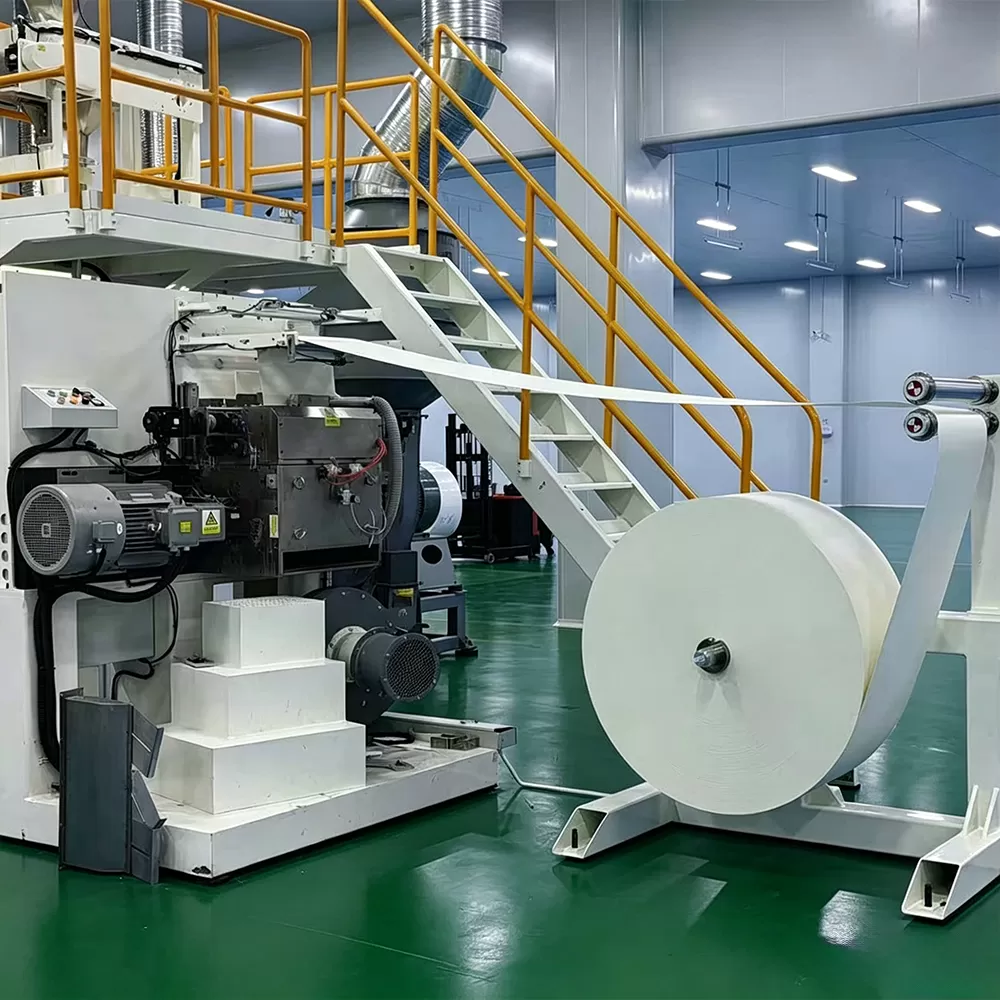
Unit costs are heavily influenced by production speed and waste management. High-speed manufacturing lines capable of producing 600 to 800 baby diapers per minute reduce overhead costs per unit. KIMEPR utilizes advanced production machinery that integrates automated tension control and visual inspection systems to minimize material scrap.
The Role of the Acquisition Distribution Layer (ADL)
The Acquisition Distribution Layer (ADL) is a sub-layer positioned between the top sheet and the absorbent core. Its primary function is to quickly draw liquid away from the surface and distribute it horizontally across the entire length of the core.
Without an ADL: Fluid pools in one spot, saturating a small area of SAP while leaving the rest of the core dry. This leads to premature leakage even if the diaper has unused absorbent capacity.
With a Well-Engineered ADL: Lower-cost diapers can utilize less SAP overall because the system utilizes the entire absorption capacity of the core. Including a lightweight, carded through-air non-woven ADL is a highly efficient design choice when manufacturing the best economical diapers.
Elastic Systems and SMS Leak Guards
Leakage around the legs is a primary reason for customer complaints. High-performance SMS (Spunbond-Meltblown-Spunbond) hydrophobic non-woven fabrics are used to construct double-layer leak guards. Incorporating high-elasticity spandex threads allows these barriers to conform to the infant's anatomy with gentle pressure. Proper calibration of elastic tension on the production line prevents both leaks and red marks on the skin, ensuring user satisfaction without requiring expensive premium materials.
Addressing B2B Challenges: Logistics, Packaging, and Quality Control
For international distributors, the purchase price at the factory gate is only part of the financial equation. Freight, storage, and quality consistency also impact the final bottom line.
Refining Packaging for Container Loading
High-compression packaging is a valuable strategy for lowering overall landing costs. By applying high mechanical pressure during the bagging phase, manufacturers can pack more diapers into a single polybag, and consequently, more bags into a shipping carton or master bale.
Increased Container Capacity: High-compression packing can increase the number of pieces per 40-foot High Cube (HQ) container by 20% to 30%.
Reduced Warehouse Footprint: Distributors save on storage costs per unit because the product occupies less physical volume before retail shelf display.
Sustainably Managed Materials: Less packaging material is consumed, aligning with international standards for waste reduction.
Standardizing Quality to Prevent Product Returns
In the budget diaper segment, consistency is key. Minor defects, such as misaligned waist tape or weak adhesive bonding, can ruin a distributor's reputation. Manufacturers must implement strict quality management protocols. KIMEPR maintains rigorous testing for tensile strength of raw materials, SAP retention capacity, and adhesive stability under varying humidity levels. This ensures that every shipment meets the required performance benchmarks.
Strategic Sourcing and Product Customization with KIMEPR
When sourcing the best economical diapers, importers require a partner capable of flexible configuration. Standard off-the-shelf products may not fit the specific regulatory or cultural expectations of every market.
Customization options should include:
Waistband Options: Choosing between a fully elasticated waistband or simple elastic ears to manage costs.
Closure Systems: Selecting PP tape (more cost-effective) or magic tape (hook-and-loop, which offers better re-fastenability).
Wetness Indicators: Adding or removing hot-melt wetness indicator glue depending on market preference.
Collaborating with an experienced manufacturer allows B2B buyers to adjust these specifications systematically. Through detailed material substitution and line refinement, it is possible to achieve competitive pricing while preserving the functional integrity of the finished product.
Frequently Asked Questions
Q1: How do you maintain leak protection in cost-effective baby diapers?
A1: Leak protection is maintained by refining the physical structure rather than adding costly materials. This is achieved by utilizing a multi-layered leg cuff system made of SMS hydrophobic non-woven fabric, coupled with high-recovery elastic threads. Additionally, incorporating an Acquisition Distribution Layer (ADL) ensures that liquid is spread evenly across the core, utilizing the full capacity of the absorbent material to prevent localized saturation and subsequent leakage.
Q2: Why is the ratio of SAP to fluff pulp important for shipping costs?
A2: The ratio directly affects the thickness and weight of the diaper. Wood fluff pulp adds physical bulk. By increasing the ratio of superabsorbent polymer (SAP) and utilizing a thinner composite core, the overall thickness of the diaper is reduced. This allows for higher compression during packaging, enabling distributors to fit substantially more units into a standard shipping container, thereby reducing freight costs per diaper.
Q3: What closure tape options are recommended for budget-conscious diaper lines?
A3: Polypropylene (PP) frontal tape systems are the traditional, most cost-effective option for budget lines. However, modern manufacturing efficiencies have reduced the price gap between PP tape and hook-and-loop (magic) tape systems. For brands looking to position their product as the best economical diapers with a premium feel, a lightweight magic tape system is often recommended as it allows multiple adjustments without tearing the backsheet.
Q4: How does KIMEPR ensure consistent quality across large-volume production runs?
A4: KIMEPR implements real-time monitoring on high-speed production lines. This includes automatic sensory detectors that scan for raw material defects, misaligned components, or contamination. Samples from each batch undergo laboratory testing to measure fluid acquisition times, rewet values, and adhesive shear strength, ensuring that every shipment conforms to international quality standards.
Q5: Can the raw materials of the diaper be modified to meet specific target prices?
A5: Yes, B2B sourcing allows for precise raw material configuration. Importers can adjust the basis weight of the non-woven fabrics, select alternative backsheet films, modify the core structure, or choose simpler packaging designs. This systematic refinement ensures the finished diaper aligns with the buyer's target price margin while maintaining the structural baseline required for basic performance.
Inquiry and Custom Quotations
Selecting the correct configuration for high-volume markets requires detailed engineering coordination. If you are seeking to develop or source a product line that balances production cost with dependable absorption performance, our team at KIMEPR is ready to assist. Contact our engineering and sales professionals today to request detailed performance specification sheets, factory audit reports, or customized product samples tailored to your target price points.