
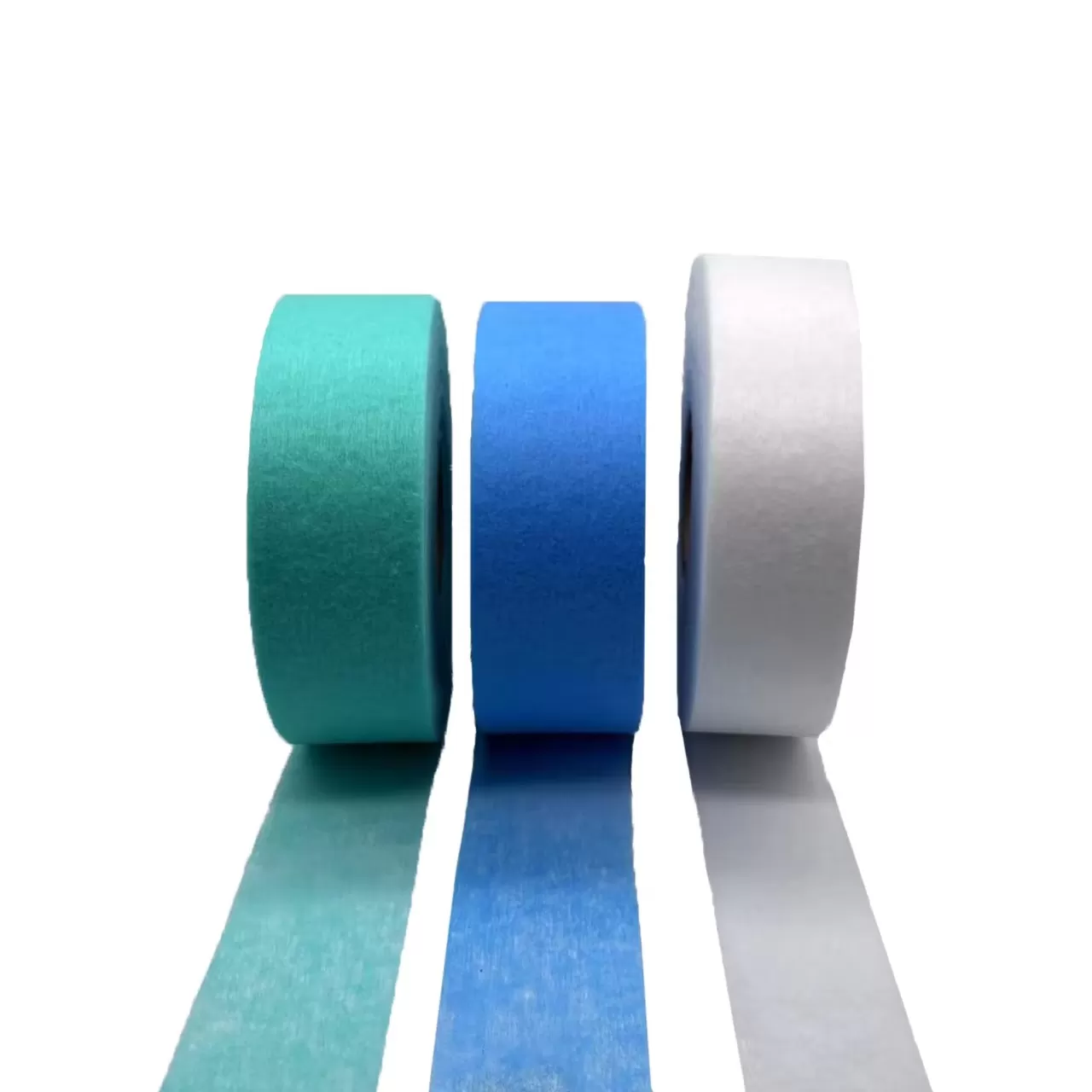
The global hygiene manufacturing industry relies heavily on consistent material science to deliver products that meet both regulatory standards and market expectations. At the core of any high-performance absorbent hygiene product is the barrier layer. A diaper protective cover serves as the primary shield against fluid transmission, directly influencing skin dryness and overall product containment reliability. For industrial manufacturers and brand owners partnering with raw material suppliers like KIMEPR, selecting the appropriate barrier substrates is a primary step in product design.
Modern hygiene products demand a balance between absolute liquid retention and thermal comfort. This balance is achieved through the integration of advanced polymer films and non-woven laminates. Understanding the structural properties, manufacturing challenges, and testing standards of these materials allows procurement teams to make informed decisions that align with high-speed production requirements and end-user satisfaction.
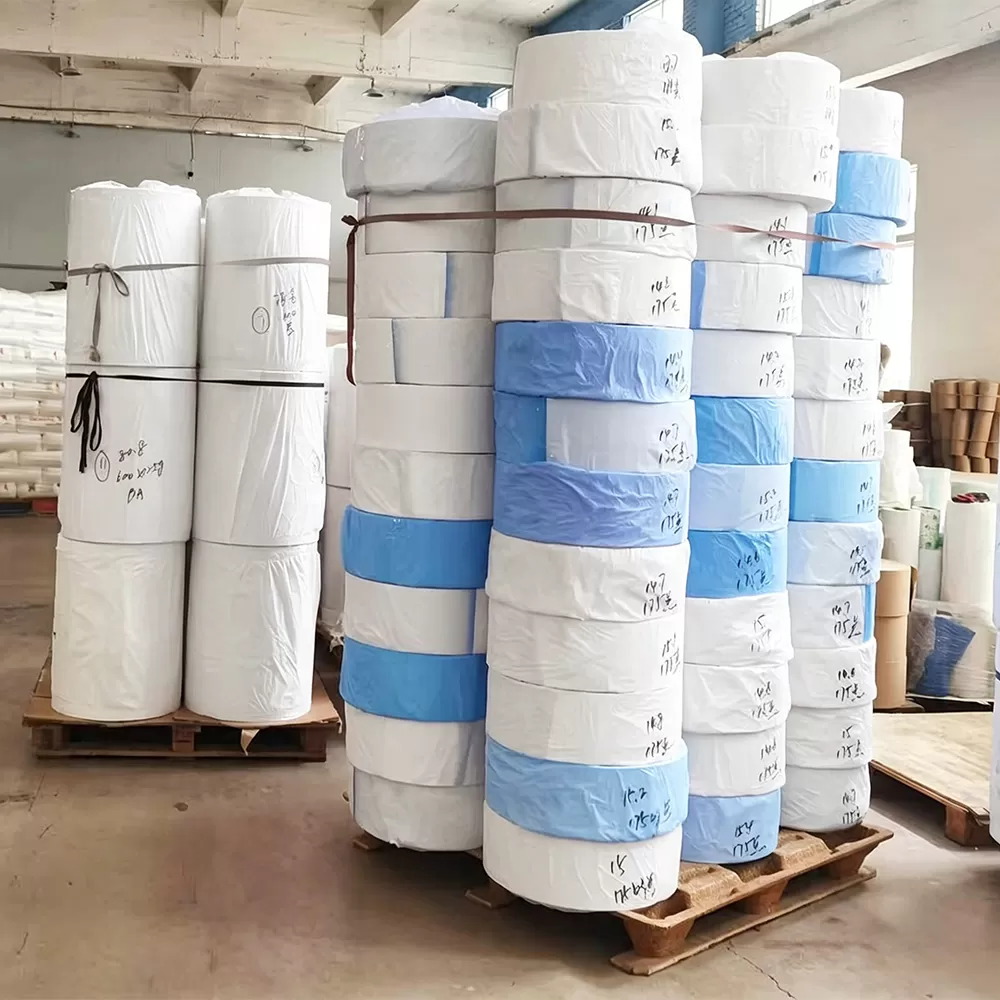
Evaluating Material Composition of the Diaper Protective Cover
The choice of material for a diaper protective cover determines its barrier efficiency, breathability, and tactile softness. Historically, simple polyethylene (PE) films were used to prevent leaks. However, modern designs utilize composite materials that offer superior mechanical properties and user comfort.
Polyurethane Laminate (PUL) and Thermoplastic Polyurethane (TPU)
Polyurethane laminate remains a highly reliable choice for reusable diaper protective cover manufacturing, particularly in the premium consumer and institutional medical sectors. This material consists of a polyester or cotton fabric base heat-bonded to a thin layer of thermoplastic polyurethane film. TPU provides a solid liquid barrier while maintaining microscopic breathability through molecular diffusion. Hydrophilic segments within the TPU polymer chain allow water vapor molecules to migrate outward, while the hydrophobic structure prevents liquid water from passing through. This makes it highly effective for products that undergo industrial laundering cycles.
Microporous Polyethylene Films
For high-volume disposable diaper manufacturing, microporous polyethylene films are the industry standard. These films are produced by extruding polyethylene resin blended with calcium carbonate particles. The extruded film is then stretched in the machine direction, which pulls the polymer away from the calcium carbonate particles, creating billions of microscopic pores. These pores are large enough to allow moisture vapor to escape but small enough to block liquid water droplets under normal use pressures. This material forms the functional core of the diaper protective cover in modern disposable briefs.
Non-Woven Lamination
To improve the tactile feel of the outer barrier, manufacturers laminate the functional polymer film to a spunbond non-woven fabric layer. This process, often utilizing hot-melt adhesives or ultrasonic bonding, creates a textile-like outer cover. The spunbond layer provides tensile strength and a soft touch, while the inner film ensures liquid containment. This composite structure prevents the rustling sound associated with pure plastic films, which is particularly important for adult incontinence products where user discretion is desired.
Engineering Parameters: Breathability vs. Liquid Impermeability
Balancing breathability and liquid containment is a primary engineering challenge in the production of a diaper protective cover. If a material is too breathable, it may allow liquid to seep through under pressure. Conversely, if it lacks breathability, heat and humidity accumulate within the product, leading to skin hydration and diaper dermatitis.
To quantify these properties, manufacturers rely on standardized laboratory testing metrics:
Moisture Vapor Transmission Rate (MVTR): Measured in grams of water vapor passing through a square meter of fabric over 24 hours (g/m²/24h). High-breathability covers typically target MVTR values between 2,000 and 4,000 g/m²/24h, depending on the target application.
Hydrostatic Head Pressure: This test measures the resistance of the diaper protective cover to liquid penetration under pressure. It is recorded in centimeters of water column (cm H2O). For reliable containment, particularly in adult care where pressure from sitting or lying down is significant, hydrostatic values must exceed 100 cm H2O.
Tensile Strength and Elongation: The material must withstand the mechanical stresses of high-speed manufacturing lines (often exceeding 600 pieces per minute) and the tension applied when fastening the product on the user.
Adjusting the ratio of calcium carbonate in microporous films or varying the thickness of the TPU membrane allows KIMEPR to customize these parameters to meet specific performance profiles.
Manufacturing Challenges in High-Speed Production Lines
Integrating a high-quality diaper protective cover into a commercial manufacturing process requires addressing several mechanical and thermodynamic variables. During high-speed conversion, raw rolls of barrier film are unwound, tensioned, laminated, and cut within fractions of a second.
One common challenge is delamination. If the adhesive application during the non-woven lamination process is uneven, the film and non-woven layers may separate during product folding or packaging. Utilizing advanced slot-die hot-melt spray systems ensures uniform adhesive distribution without blocking the micropores of the film. Ultrasonic bonding is increasingly preferred as an alternative to adhesives, as it uses high-frequency vibrations to fuse the polymer fibers directly, reducing raw material costs and chemical usage.
Thermal stability is another parameter. During the application of elastic leg cuffs and fastening tapes, localized heat is applied to the diaper protective cover. If the polymer film has a low thermal resistance, it can deform or burn through, creating micro-tears that cause leaks. Maintaining strict temperature controls on the rotary die-cutting and sealing stations is required to prevent material degradation.
Application Scenarios in Modern Hygiene Sectors
The functional requirements for a diaper protective cover vary significantly depending on the target demographic and the environment in which the product is used.
Pediatric Care
In infant diapers, the focus is on skin protection and flexibility. The diaper protective cover must be exceptionally soft to prevent chafing on sensitive skin. It also needs to support dynamic fit adjustments, as infants are constantly in motion. Lightweight non-woven laminates are prioritized here to minimize bulk.
Adult Incontinence and Institutional Care
For adult care, particularly in clinical and nursing home settings, the demands on the diaper protective cover are different. The product must handle larger liquid volumes and sustain higher mechanical pressures when the wearer moves or is repositioned in bed. Discretion is also a key factor; the outer layer must look and feel like standard underwear. Odor barrier properties are often integrated into the polymer matrix or adhesive layers to improve user comfort and dignity.
Reusable Institutional Systems
Hospitals and long-term care facilities frequently utilize washable, reusable diaper protective cover systems to reduce waste and manage long-term procurement costs. These covers must withstand repeated high-temperature washing cycles and chemical disinfection without losing their waterproof integrity. Heavy-duty TPU films laminated to high-density polyester fabrics are typically selected for these demanding applications.
Quality Control and Regulatory Compliance Standards
Ensuring the safety and consistency of the diaper protective cover is mandatory for global market access. Raw materials must comply with strict chemical and biological safety regulations, particularly since these products remain in contact with human skin for extended periods.
Key compliance frameworks include:
ISO 10993 (Biocompatibility): Materials must pass skin irritation, sensitization, and cytotoxicity testing to ensure they do not cause allergic reactions or chemical burns.
REACH and RoHS: For European markets, all polymer additives, plasticizers, and colorants used in the manufacturing of the barrier film must be free of restricted hazardous substances.
ISO 9001: Implementing structured quality management systems at the manufacturing facility guarantees roll-to-roll consistency, minimizing defects such as pinholes or tension variances.
By conducting rigorous batch testing, including microscopic pinhole detection and peel strength analysis, KIMEPR ensures that every shipment meets the stringent quality tolerances required by international brands.
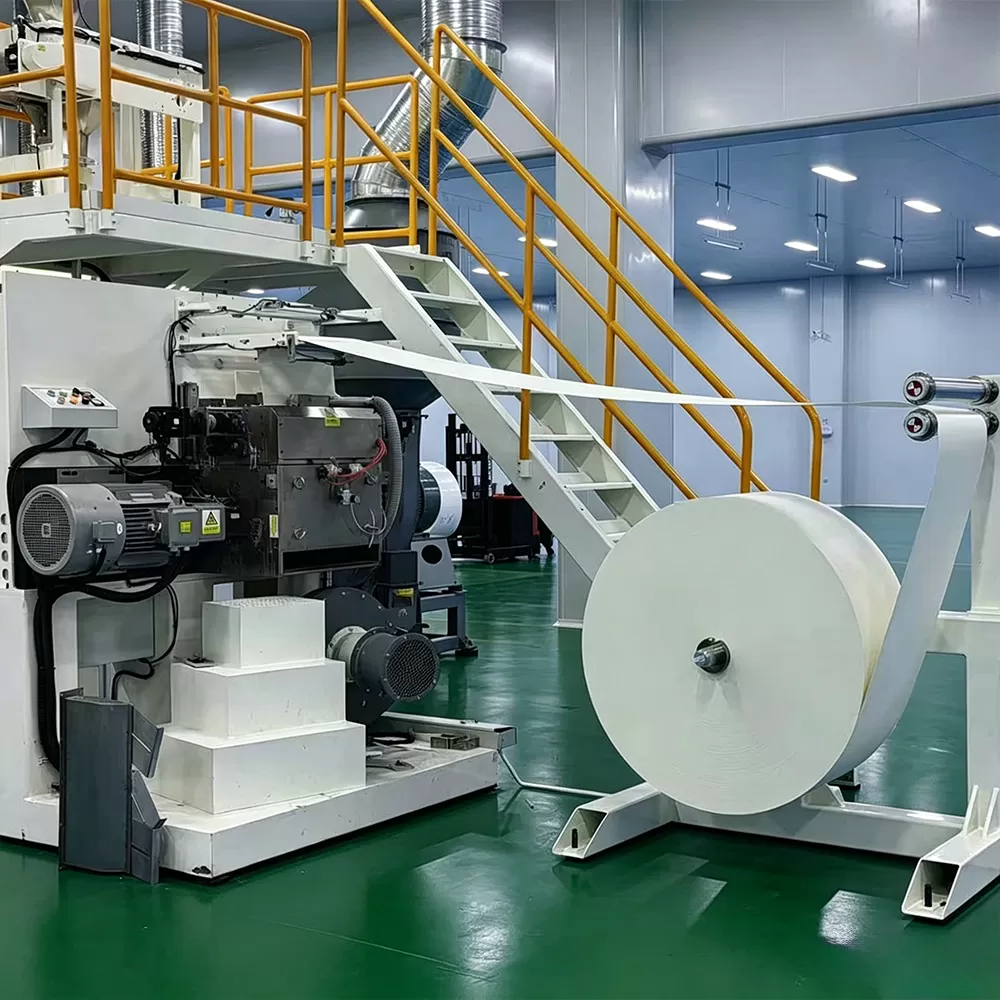
Procurement and Supply Chain Considerations
Sourcing raw materials for hygiene production involves evaluating more than just the physical properties of the diaper protective cover. Procurement managers must analyze supply chain reliability, roll yield, and custom slitting capabilities. Consistent roll tension and winding alignment are necessary to prevent downtime on automated conversion lines, as uneven winding can cause material drifting and machine stoppages.
As the market moves toward more sustainable manufacturing practices, options for bio-based polyethylene films and biodegradable TPU membranes are becoming standard offerings. Partnering with a manufacturer capable of delivering these advanced materials ensures that your product lines remain competitive and aligned with evolving environmental standards.
Whether you require high-MVTR microporous films for infant diapers or durable TPU laminates for institutional adult care, KIMEPR provides engineered solutions tailored to your production machinery. Contact our technical sales department to request material datasheets, physical samples, and custom specification consultations for your manufacturing needs.
Frequently Asked Questions
Q1: What is the primary difference between a TPU-based and a PE-based diaper protective cover?
A1: Thermoplastic Polyurethane (TPU) is typically used for reusable, washable diaper covers due to its high durability, elasticity, and resistance to repeated laundering. Polyethylene (PE) films, often made microporous with calcium carbonate, are designed for single-use disposable products where cost-efficiency and lightweight properties are the primary requirements.
Q2: How does breathability prevent diaper rash?
A2: A breathable diaper protective cover allows water vapor to escape from the absorbent core to the outside environment, reducing the relative humidity inside the diaper. This prevents skin overhydration, which weakens the skin barrier and makes it more susceptible to friction and chemical irritation from urine and feces.
Q3: Can these materials be processed on standard high-speed converting machines?
A3: Yes. Modern barrier films and non-woven laminates are engineered to withstand the high tensile pull and thermal sealing processes typical of modern high-speed lines. It is necessary to match the film thickness and tensile strength to the specific tension profiles of your machinery.
Q4: Are the materials used in the diaper protective cover hypoallergenic?
A4: Yes, reputable suppliers manufacture these covers using medical-grade or food-contact-approved polymers that undergo ISO 10993 biocompatibility testing. This ensures that the materials are free from common allergens, latex, and sensitizing chemical residues.
Q5: What options are available for sustainable or eco-friendly manufacturing?
A5: Manufacturers can choose bio-based resins derived from renewable resources like sugarcane to produce green PE films. Additionally, compostable polymer blends and post-consumer recycled (PCR) non-wovens are increasingly available for brands aiming to reduce their environmental footprint.