
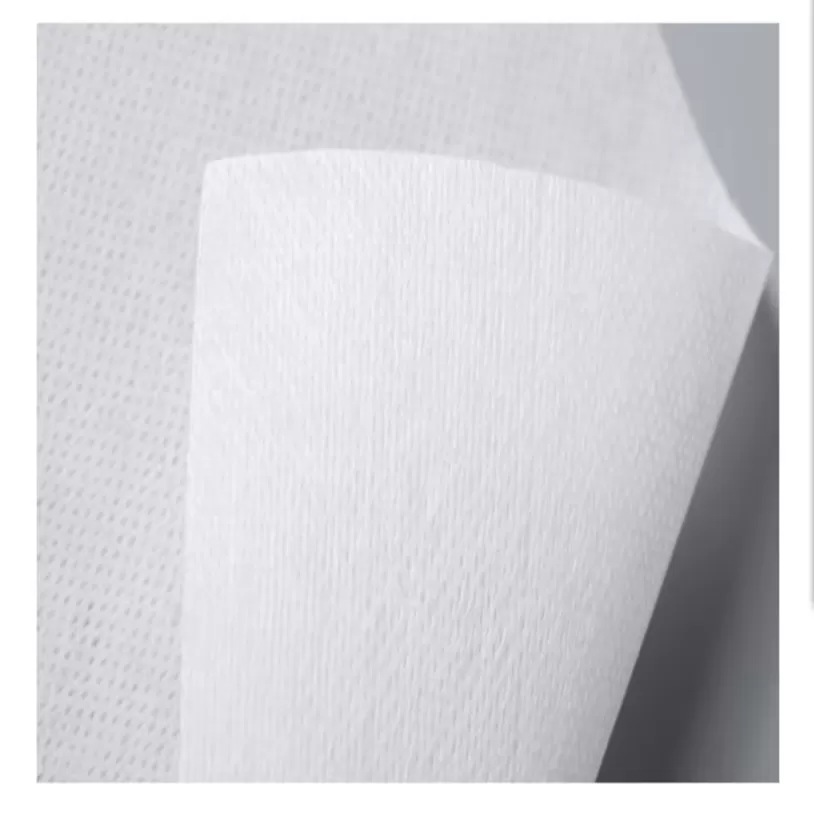
The global hygiene market has seen a distinct shift toward specialized containment solutions. While anatomically shaped diapers dominate retail baby care, the square diaper—often referred to as a flat diaper, insert pad, or booster pad—remains a highly functional product category in adult incontinence care, clinical environments, and institutional supply chains. For manufacturers and brand owners partnering with machinery suppliers like KIMEPR, understanding the mechanical realities, material compositions, and manufacturing efficiencies of these rectangular absorbent structures is key to maintaining market competitiveness.
Unlike complex contoured designs that require intricate leg elastic application and high-waste chassis cutting, flat absorbent pads offer a streamlined profile. This structural simplicity translates to reduced raw material waste and higher production line speeds. However, engineering a high-performing flat absorbent product requires a deep understanding of fluid dynamics, polymer behavior, and precise converting machinery control.
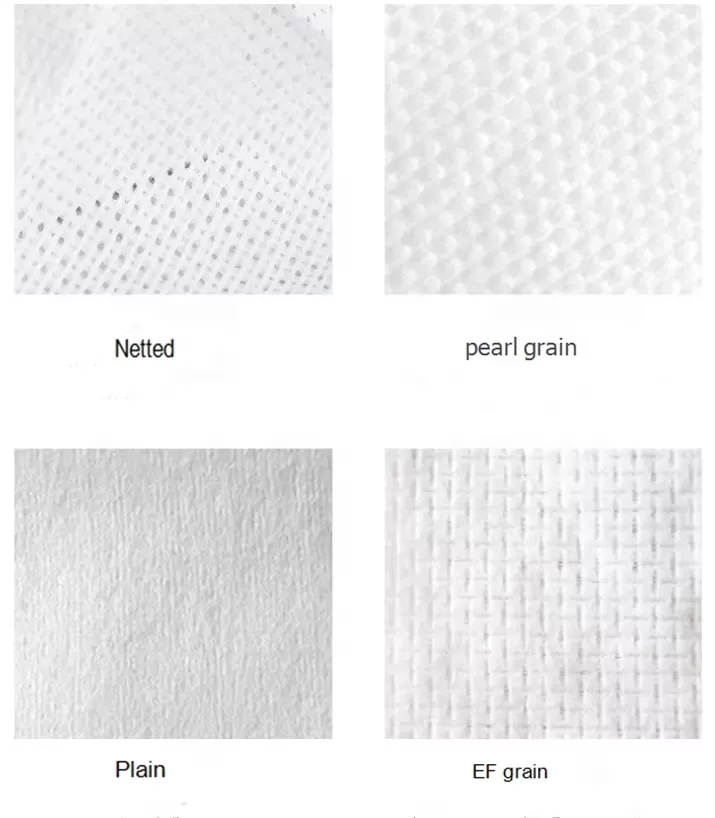
Anatomy and Material Science of Flat Absorbent Products
To evaluate the utility of a modern square diaper, one must analyze its internal layers. Each layer plays a distinct role in managing liquid entry, temporary storage, distribution, and permanent retention under physical pressure.
Hydrophilic Topsheet: The outermost layer in contact with the user skin is typically constructed from spunbond polypropylene nonwoven fabric. It must possess rapid strike-through characteristics while remaining soft to prevent skin irritation.
Acquisition Distribution Layer (ADL): Positioned directly beneath the topsheet, the ADL manages sudden surges of fluid. Typically made from high-loft chemically bonded nonwovens or through-air bonded nonwovens, this layer temporarily stores liquid and distributes it horizontally along the length of the product to prevent localized saturation.
Absorbent Core: The core is a blend of cellulose fluff pulp and superabsorbent polymer (SAP). The ratio of these two components determines the absorbency profile. Higher SAP ratios yield thinner products with excellent retention under pressure, whereas fluff pulp provides the capillary network required for initial fluid transport.
Hydrophobic Backsheet: The bottom barrier prevents leakage. It consists of a polyethylene (PE) film or a laminated breathable nonwoven sheet that allows water vapor to escape while retaining liquid water, thereby minimizing heat buildup and skin maceration.
From a manufacturing standpoint, balancing the gsm (grams per square meter) of these individual materials allows brands to customize products for light bladder weakness up to heavy overnight clinical use. This flexibility is a primary reason why B2B distributors continue to request stable manufacturing lines for flat absorbent configurations.
Engineering Challenges in High-Speed Converting Lines
Operating a high-speed converting line for square diaper production introduces several mechanical challenges. Despite the simpler geometry of the finished product, the machinery must handle continuous webs of delicate materials at speeds often exceeding 400 meters per minute.
Web Tension Control and Material Splicing
The primary source of downtime on any hygiene production line is material breakage. Because materials like nonwoven webs and PE films have different tensile strengths and elastic properties, maintaining uniform web tension across the entire machine footprint is paramount. KIMEPR machines utilize closed-loop tension control systems equipped with low-inertia dancer rollers and active unwinding shafts. When a raw material roll reaches its end, automatic zero-speed or flying-splice units join the new roll without stopping the machine, ensuring continuous operation.
Precise Core Forming and SAP Dosing
Distributing SAP evenly throughout the fluff pulp matrix is a sophisticated process. Inconsistent distribution leads to gel-blocking, where saturated polymer swells and prevents liquid from reaching dry areas of the core. To prevent this, the forming drum must utilize high-volume vacuum systems that pull the fiber-SAP mixture into precise pockets. Modern dosing units synchronize SAP release with the linear speed of the web, ensuring that even at varying speeds, the exact grammage is applied to each square diaper. This precision prevents material waste and ensures consistent product performance.
High-Speed Cutting and Product Separation
The final phase of production involves cutting the continuous web into individual rectangular units. While rotary die cutters are standard, the thickness of a high-capacity absorbent core can cause rapid wear on cutting blades. This results in ragged edges and loose dust fibers. Utilizing hardened tungsten carbide blades with precise anvil contact control helps maintain clean cuts over millions of cycles. This clean separation also minimizes ambient dust in the factory, creating a safer and cleaner working environment.
Market Demographics and Application Scenarios
The application of flat and square diaper formats spans several high-volume B2B channels. Understanding these end-user profiles helps hygiene brands align their product catalogs with regional demands.
Clinical and Institutional Care
Hospitals, nursing homes, and long-term care facilities are major consumers of flat absorbent pads. In these settings, caregivers prioritize ease of changing and product versatility. A square diaper can be used as a standalone pad for bedridden patients, an insert within a reusable mesh pant, or an extra layer of protection on wheelchairs and bedding. The absence of complex fastening tapes makes changes faster, reducing physical strain on nursing staff.
Adult Incontinence and Booster Applications
As the global population ages, the demand for adult incontinence solutions continues to rise. For active individuals, a square diaper serves as a highly effective booster pad when placed inside a standard protective underwear chassis. This combination increases the overall liquid holding capacity without requiring the user to wear a larger, more conspicuous primary garment. It represents a cost-effective approach to managing heavy incontinence during travel or sleep.
Operational Cost Analysis: Raw Materials vs. Capital Equipment
When establishing a production facility, procurement managers must evaluate the total cost of ownership (TCO) of the machinery alongside the ongoing costs of raw materials. Because raw materials account for up to 70% of the ongoing cost of diaper production, machinery efficiency directly impacts profitability.
| Cost Category | Key Variables | Impact on Profit Margin | Mitigation Strategy |
|---|---|---|---|
| Raw Materials | Fluff pulp, SAP, nonwoven gsm, adhesives | Very High (Direct Cost) | Precise dosing, minimizing trim waste at cutting stations |
| Machinery Depreciation | Initial capital expenditure, lifespan | Moderate (Fixed Cost) | Sourcing robust, modular platforms like those from KIMEPR |
| Energy Consumption | Vacuum blowers, heating elements, servo drives | Moderate (Operational Cost) | Using variable frequency drives and energy-recovery systems |
| Labor and Downtime | Changeover speed, maintenance frequency | High (Variable Cost) | Implementing quick-change tooling and predictive maintenance alarms |
By investing in machinery that minimizes material trim and reduces adhesive consumption through precision nozzle application, manufacturers can achieve a lower cost per unit. This operational savings allows producers to offer competitive wholesale pricing to healthcare distributors while maintaining healthy operating margins.
Production Automation and Quality Inspection
Modern hygiene manufacturing relies heavily on automated quality assurance systems. Visual inspection cameras placed at key intervals along the KIMEPR assembly line monitor parameters such as core placement accuracy, side tape alignment, and overall product dimensions. Any unit that falls outside of the tolerance threshold is automatically flagged and rejected via high-speed air blast mechanisms before the packaging phase.
In addition to visual checks, weight sensors monitor the consistency of the absorbent core. Since moisture absorption performance depends on a specific ratio of wood pulp to superabsorbent polymer, deviation in weight can indicate a malfunction in the feeding systems. Real-time feedback loops adjust the dosing units automatically, maintaining product compliance without manual intervention.
This level of automation reduces the reliance on manual quality control checks, lowers the risk of defective product shipments reaching customers, and protects the brand reputation of the manufacturer in highly regulated medical markets.
Frequently Asked Questions
Q1: What is the main structural difference between a square diaper
and a standard shaped diaper?
A1: A square diaper features a
rectangular or square geometry without leg cutouts, elastomeric side panels, or
fastening tapes. It is primarily used as an insert pad, booster pad, or flat
underpad, relying on a simpler production process with significantly lower
material trim waste compared to shaped diapers.
Q2: How does KIMEPR machinery handle the dust generated during the
fluff core cutting process?
A2: Our manufacturing lines feature
integrated, high-efficiency dust extraction hoods situated at the hammer mill,
core forming drum, and rotary cutting stations. This continuous vacuum system
pulls airborne cellulose fibers out of the production area to keep the machinery
clean and maintain a safe workspace.
Q3: Can a single production line produce different sizes of flat
absorbent inserts?
A3: Yes, modern converting systems are designed
with modularity in mind. Size adjustments are made by changing the program
parameters in the electronic servo drive system and exchanging the rotary
cutting dies. This reduces downtime during product transitions.
Q4: Why is the acquisition distribution layer (ADL) necessary in a
flat diaper design?
A4: Because flat diapers lack elastic barriers
to pool liquid, fluid must be absorbed immediately. The ADL disperses liquid
along the length of the core, preventing localized saturated zones and ensuring
the entire surface area of the superabsorbent polymer is utilized.
Q5: What are the typical packaging configurations for bulk B2B square
diaper shipments?
A5: Products are typically compressed and stacked
into polyethylene bags, which are then packed into corrugated shipping cartons.
High-compression packaging is standard to reduce shipping volumes and lower
ocean freight costs for international distributors.
Inquire for Custom Manufacturing Solutions
Expanding your product line or upgrading your existing hygiene production facility requires machinery that balances speed, material efficiency, and reliable operation. KIMEPR specializes in the design and manufacture of high-speed converting machinery for diapers, underpads, and specialized absorbent inserts. Our team provides comprehensive support, from initial factory layout design and component sourcing to installation and operator training.
Please contact our sales engineering department to request a detailed quotation, discuss machinery configurations, or arrange a visit to our manufacturing facility. We are prepared to assist you in developing a production system tailored to your specific market demands.