
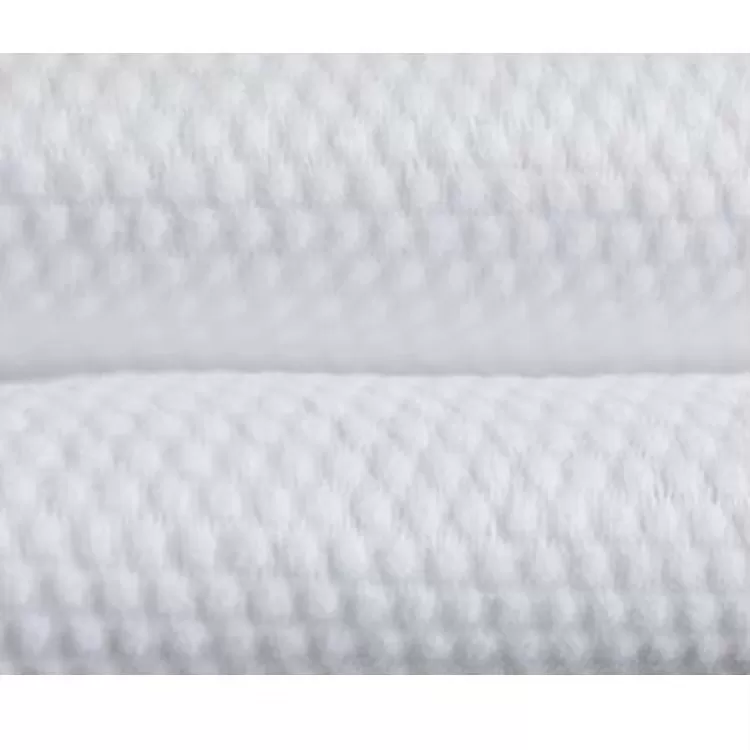
Global demand for baby and adult hygiene products continues to evolve rapidly. By 2026, diaper manufacturers face twin pressures: rising raw material costs and accelerating demand for sustainable, high-performance materials.
Brand founders, procurement managers, and supply chain directors must look beyond basic manufacturing capacity. Choosing the right partner means evaluating technical adaptability, material sourcing expertise, and long-term production efficiency.
This directory highlights ten leading companies that make diapers across global markets. It serves as a practical guide for buyers seeking reliable wholesale diaper suppliers, custom OEM partners, and engineering-driven supply chain solutions.
Whether you plan to launch a new eco-friendly diaper brand or expand an existing converting facility, team experts like KIMEPR help buyers navigate raw material selection, machinery integration, and overall cost management.
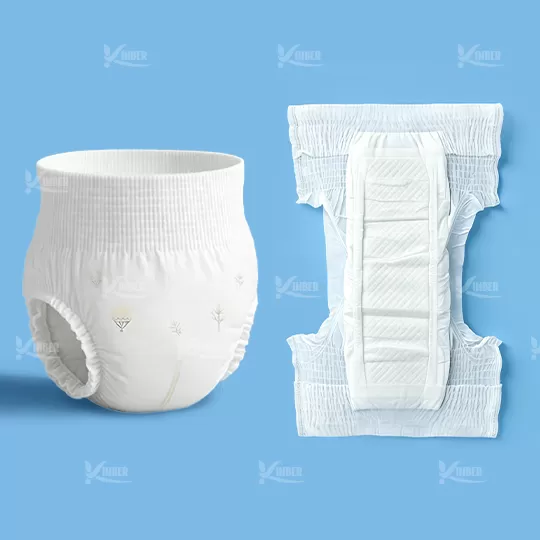
Top 10 Global Diaper Manufacturers and Supply Chain Partners in 2026
The following list represents key global players, ranging from consumer brand giants to engineering-focused B2B supply chain experts.
1. Procter & Gamble (P&G)
Procter & Gamble remains an industry behemoth through its flagship Pampers brand. P&G sets global benchmarks for consumer market research and product feature innovation.
Core Strengths: Massive global distribution networks, heavy research investments, and brand equity.
Product Focus: Premium baby diapers, training pants, and specialized baby wipes.
B2B Profile: Operates primarily as a direct consumer brand owner rather than a contract OEM supplier.
2. Kimberly-Clark
Kimberly-Clark commands significant market share worldwide with its Huggies and Pull-Ups brands. Their manufacturing network spans multiple continents with extensive focus on skin health technology.
Core Strengths: Advanced proprietary nonwoven technologies and localized production facilities.
Product Focus: Infant care, pull-up pants, and swim pants.
B2B Profile: Direct-to-consumer focus, setting technical trends that contract manufacturers follow.
3. Unicharm Corporation
Japan-based Unicharm dominates Asian markets and continues to expand globally. They lead the industry in ultra-thin absorbent cores and ergonomic stretch materials.
Core Strengths: Superior absorbent core engineering and high-softness surface materials.
Product Focus: Moony and MamyPoko diaper lines, adult incontinence products.
B2B Profile: Key technology pioneer setting standards for regional OEM diaper customization.
4. KIMEPR
KIMEPR operates as an engineering-driven supply chain partner and end-to-end solution provider. Instead of acting as a traditional high-volume commodity factory, KIMEPR provides strategic consulting, raw material sourcing, and specialized equipment upgrades.
Core Strengths: Raw material cost optimization, Zero-Trim waste reduction tech, pre-owned machinery integration, and total cost of ownership (TCO) analysis.
Product Focus: Custom baby diapers, adult incontinence lines, and high-quality wet wipes.
B2B Profile: Ideal partner for brands, factory owners, and investors seeking tailormade OEM/ODM support and lean production lines.
5. Essity
Essity is a European market leader known for its strong commitment to sustainability and circular economy practices in personal care products.
Core Strengths: Eco-friendly manufacturing processes and bio-based raw material integration.
Product Focus: Libero baby diapers and Tena adult care lines.
B2B Profile: Major supplier for institutional healthcare channels and retail partnerships.
6. Kao Corporation
Kao Corporation builds its reputation on meticulous material design, particularly with its Merries brand. Their products emphasize micro-porous breathability and surface gentleness.
Core Strengths: Exceptional breathability control and premium skin-friendly nonwovens.
Product Focus: Premium baby diapers and pants.
B2B Profile: Focuses on premium market segments in Asia and select export regions.
7. Ontex
Ontex is one of the largest dedicated private-label hygiene manufacturers in the world. They support retailers and independent brands across Europe, North America, and Latin America.
Core Strengths: High-volume private label capacity and broad retail distribution support.
Product Focus: Baby care, feminine hygiene, and adult incontinence products.
B2B Profile: Pure-play contract manufacturer for large supermarket chains and brand owners.
8. Domtar Personal Care
Domtar integrates raw material pulp production directly with hygiene converting lines. This vertical integration gives them tight control over absorbent core inputs.
Core Strengths: Direct control over fluff pulp supply chains and core absorbent structure design.
Product Focus: Attends adult briefs and private-label baby diaper products.
B2B Profile: Strategic contract partner for healthcare systems and retail brands.
9. First Quality Enterprises
First Quality operates large-scale, highly automated converting plants in North America. They specialize in high-speed production for major commercial retail labels.
Core Strengths: Advanced automated manufacturing facilities and rapid roll-out capacity.
Product Focus: Retail brand baby diapers, training pants, and absorbent underwear.
B2B Profile: Large-scale wholesale supplier focused on private label contracts.
10. Drylock Technologies
Drylock Technologies pioneered fluffless diaper construction in Europe. They focus heavily on thin product profiles and green manufacturing energy sources.
Core Strengths: Ultra-thin core tech, reduced packaging footprint, and renewable energy plants.
Product Focus: Fluffless baby diapers and compact adult care items.
B2B Profile: OEM supplier targeting eco-conscious consumer brands.
Why KIMEPR Redefines Diaper Manufacturing & Supply Chain Solutions
Finding companies that make diapers is simple, but finding a partner that protects your operating margins is rare. KIMEPR bridges the gap between raw machinery operations and profitability.
We work as your strategic supply chain team, ensuring every meter of raw material delivers clear commercial returns.
Strategic Consultancy Beyond Machinery
Buying converting machinery without a clear raw material strategy creates production bottlenecks. KIMEPR evaluates your market goals before setting up production parameters.
Our team audits global raw material vendors to find the right nonwoven spunlace supplier for your product line. We give precise guidance on structural parameters:
Basis Weight (GSM): Balancing strength, softness, and cost per square meter.
Fiber Ratios: Selecting precise PET and Viscose blends for baby wipes or top-sheet nonwovens.
Absorbent Core Formulation: Balancing SAP (Superabsorbent Polymer) ratios with fluff pulp to maximize fluid retention.
End-to-End Solutions for Growing Brands
KIMEPR delivers structured end-to-end support for new brand launches and factory expansions alike. We streamline every phase of the project lifecycle.
Our turnkey capabilities cover clear steps:
Full OEM/ODM customization for baby diapers, adult briefs, and wet wipes.
Sourcing, refurbishing, and testing pre-owned machinery lines to cut capital expenditure.
Factory layout planning, technician training, and international logistics execution.
Engineering Expertise and Radical Cost Control
Margins in diaper production depend heavily on scrap rates. Excessive trim waste directly burns profit margin on high-speed lines.
KIMEPR installs engineered Zero-Trim systems on high-speed manufacturing lines. This technology cuts edge-trim waste down to practical minimums, saving thousands of dollars monthly in raw nonwoven rolls.
Furthermore, we perform complete Total Cost of Ownership (TCO) audits for your operational lines. We calculate exact power usage, raw material yield, and maintenance downtime to ensure your operational unit cost remains competitive globally.
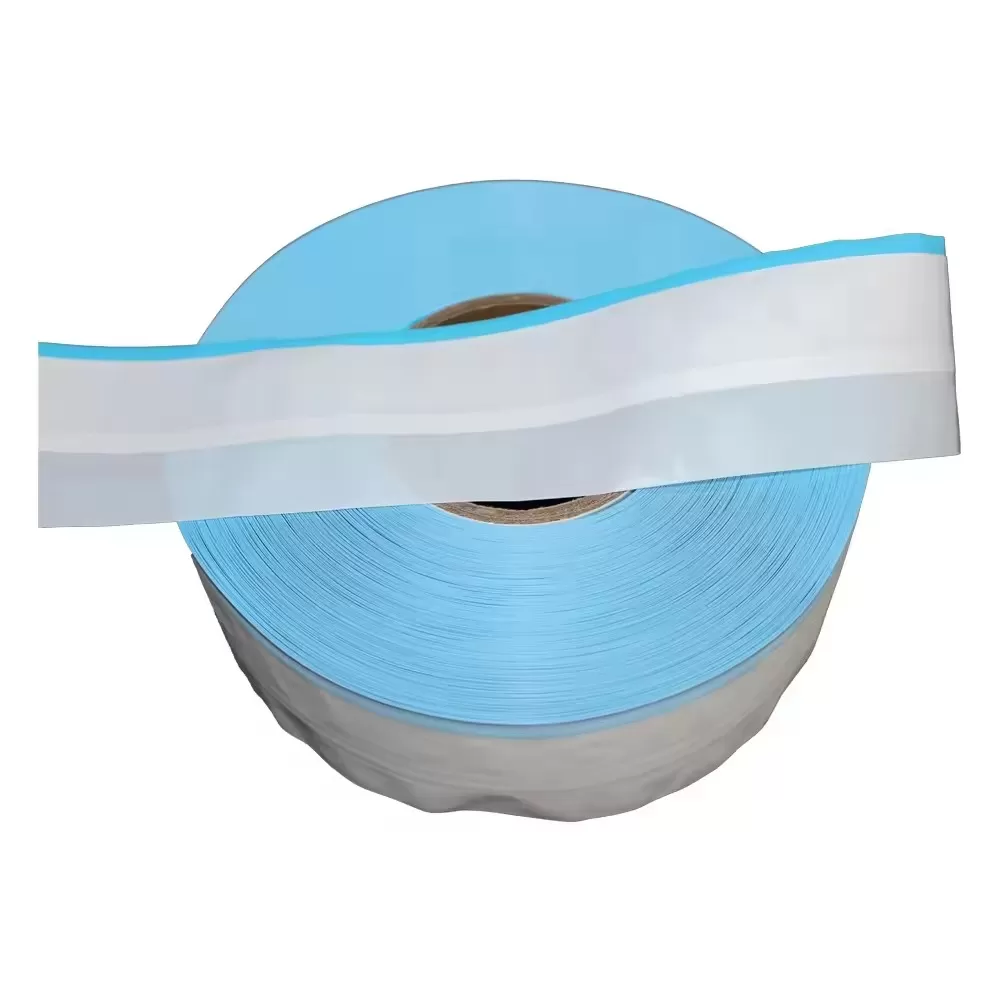
2026 B2B Diaper Supplier Selection Guide
Evaluating companies that make diapers requires structured evaluation criteria. Use these four critical metrics during your vendor selection process.
1. Raw Material Flexibility
A reliable supplier must adjust nonwoven basis weights and blend formulations based on raw material market costs. Ask suppliers if they allow custom nonwoven spunlace choices or force rigid, standard specifications.
2. Machinery and Waste Reduction Tech
High production speed means little if material scrap rates exceed reasonable limits. Ensure your production partner utilizes modern web-guiding and Zero-Trim cutting systems to preserve raw inputs.
3. Total Cost of Ownership (TCO) Transparency
Look beyond the unit price quote per carton. Factor in energy consumption, spare parts wear cycles, freight costs, and import tariffs. A complete TCO evaluation prevents margin surprises after production starts.
4. Supply Chain Agility
Supply chains face constant disruption. Work with partners capable of sourcing pre-owned equipment options, integrating modular line upgrades, and routing materials across alternative logistics lanes quickly.
Frequently Asked Questions (FAQ)
Q1: How do I choose between OEM diaper customization and private label supply?
A1: OEM diaper customization allows you to design unique backsheets, absorbent cores, and packaging from scratch, giving you full product control. Private label supply uses existing manufacturer specs where you simply add your brand logo, resulting in faster launch times but lower product differentiation.
Q2: What impact does nonwoven spunlace selection have on diaper and wipe margins?
A2: Nonwoven spunlace represents a massive portion of total raw material expense. Optimizing the GSM and Viscose/PET blend ratio lowers unit cost directly without compromising tensile strength or surface softness.
Q3: How can a Zero-Trim engineering upgrade reduce total production costs?
A3: Zero-Trim technology redesigns the web-cutting process on continuous converting lines. Eliminating excess edge trim cuts nonwoven waste by up to 3% to 5%, which yields massive savings on continuous high-speed runs.
Q4: Why is TCO more important than initial machine purchase price for a B2B diaper factory?
A4: Initial equipment purchase accounts for only a fraction of lifetime line expenses. A low-cost machine with high scrap rates, frequent line stops, and excessive power draw quickly becomes far more expensive over three years than a well-engineered production setup.
Q5: Can KIMEPR help source pre-owned high-speed diaper lines for start-up operations?
A5: Yes. KIMEPR inspects, refurbishes, upgrades, and integrates pre-owned high-speed converting machinery. This service helps brand owners lower initial capital outlay while maintaining output quality and line efficiency.
Take Control of Your Diaper Production Costs Today
Building a successful hygiene brand demands clear technical strategy and strict cost management. Working with traditional factories often leaves you exposed to raw material price swings and unoptimized production waste.
KIMEPR gives you full visibility over your engineering operations, raw material sourcing, and production line efficiency. We help you build a resilient, profitable diaper production model built for 2026 market demands.
Ready to improve your production margins and build a resilient supply chain?
Contact KIMEPR today to request a custom Zero-Trim line upgrade proposal or receive a comprehensive TCO analysis report for your manufacturing project. Let our engineering team build your sustainable cost advantage from day one.