
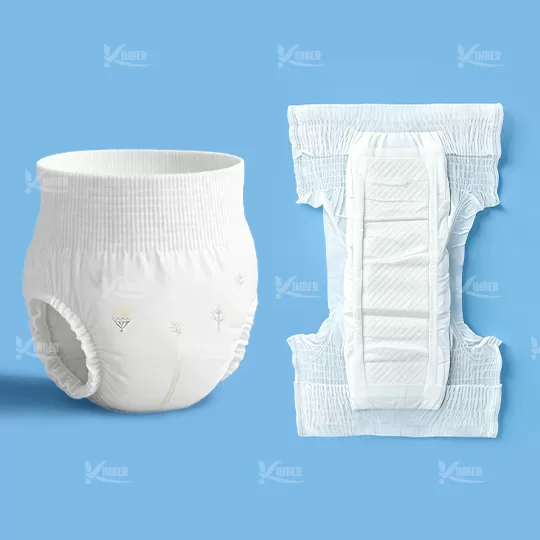
The global absorbent hygiene sector relies on complex engineering, precise polymer chemistry, and high-speed converting machinery to deliver disposable hygiene products. B2B buyers, private label brands, and regional distributors evaluating companies that make diapers must understand the operational mechanics that separate high-volume production facilities from standard assembly plants. Manufacturing disposable diapers requires continuous web processing at linear speeds exceeding 600 to 1,200 pieces per minute. At these velocity levels, minute variations in tension, adhesive application, or raw material GSM (grams per square meter) result in significant material waste and product defects.
Brands seeking contract manufacturing or OEM partnerships need clear benchmark parameters regarding machinery capabilities, absorbent core construction, non-woven fabric integration, and quality control systems. Industrial facilities such as KIMEPR demonstrate how automated converting lines and strict raw material verification establish consistent absorbency profiles, mechanical strength, and leak prevention across millions of units per month. This article provides a comprehensive evaluation framework for corporate procurement teams analyzing global manufacturing partners.
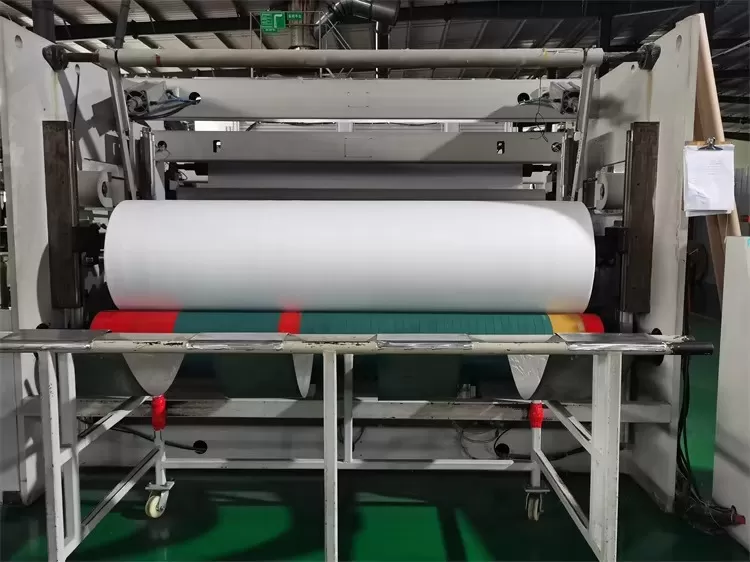
High-Speed Production Architecture and Machinery Engineering
High-volume hygiene conversion depends entirely on the stability of automated rotary converting machinery. Modern production lines integrate dozens of continuous web feeds, unwinders with automatic zero-speed splicing, and precise servo-driven movement to align multilayer materials within sub-millimeter tolerances.
Rotary Die Cutting and Mechanical Tension Control
Every layer of a disposable diaper—from the liquid-permeable topsheet to the impermeable backsheet film—enters the production line from continuous rolls. Unwind units utilize pneumatic tension brakes and load cells to maintain stable web tension. Fluctuations in tension lead to elastic snapping, asymmetric leg cuffs, or improper web alignment. Rotary die units cut leg elastics, side tabs, and contour shapes at precise intervals. Precision hardened tool steel cylinders operating with micrometer-level clearance ensure clean shearing without tearing sensitive non-woven filaments.
Ultrasonic Bonding vs. Hot-Melt Adhesive Dispensing
Joining heterogeneous layers—such as polyethylene backsheets to polypropylene topsheets—requires controlled thermal or mechanical energy. Conventional production lines rely on multi-nozzle hot-melt adhesive applicators to spray spiral or continuous lines of pressure-sensitive adhesive. Modern manufacturing infrastructure increasingly adopts ultrasonic bonding modules. Ultrasonic horns vibrating at 20 to 30 kHz fuse synthetic non-woven fibers through localized frictional heat. This process eliminates glue usage on specific construction points, reducing overall product stiffness, lowering chemical odor profiles, and cutting raw material expenditure.
Absorbent Core Science and Polymer Mechanics
The core performance of a disposable hygiene product dictates its retention capacity, fluid distribution velocity, and resistance to compression leakage. Evaluating companies that make diapers requires an examination of how production lines process superabsorbent polymers (SAP) alongside defiberized wood pulp (fluff pulp).
Superabsorbent Polymer (SAP) and Fluff Pulp Dosing
Absorbent cores convert liquid urine into a stable gel matrix under mechanical load. High-capacity core forming systems use hammer mills to defiberize continuous rolls of bleached kraft pulp into individual cellulose fibers. Concurrently, volumetric or gravimetric SAP dosing units inject sodium polyacrylate granules into the air-laid fiber stream. The ratio of SAP to fluff pulp defines the product class:
Traditional Fluff-Heavy Cores: Contain 30% to 40% SAP by weight, providing quick initial fluid acquisition through capillary movement within cellulose fibers.
High-Density SAP Cores: Contain 60% to 80% SAP by weight, resulting in ultrathin profiles, higher total retention, and reduced shipping volume.
Channelled Core Structures: Utilize targeted vacuum forming drums to create longitudinal channels free of pulp, directing fluid rapidly along the full length of the product.
Acquisition Distribution Layers (ADL) and Fluid Dynamics
Raw liquid entering the core must be distributed evenly to prevent localized saturation and gel blocking. Gel blocking occurs when SAP particles expand upon initial fluid contact, swelling shut the void spaces between adjacent fibers and blocking subsequent fluid from reaching unused core zones. Manufacturers solve this by placing a synthetic Acquisition Distribution Layer (ADL)—typically a sub-layer of through-air bonded non-woven (TABW) or resin-bonded high-loft fabric—between the topsheet and the absorbent matrix. The ADL temporarily holds surge fluid, spreading it horizontally before releasing it slowly into the underlying polymer matrix.
Material Sourcing and Component Performance Metrics
A diaper is a composite structure composed of multiple engineered non-wovens, elastic strands, structural adhesives, and barrier films. Procurement teams must scrutinize material specifications provided by companies that make diapers to ensure end-user comfort and product integrity.
Topsheet and Backsheet Substrate Requirements
The topsheet maintains direct contact with human skin, demanding high softness, rapid liquid strike-through times, and minimal wet rewet values. Hydrophilic spunbond polypropylene non-wovens (typically 12 to 18 GSM) treated with skin-safe surfactant formulations facilitate immediate liquid penetration. Conversely, the outer backsheet must block liquid migration entirely while allowing water vapor transmission to keep skin dry. This breathability relies on micro-porous polyethylene (PE) film laminated with a soft hydrophobic spunbond non-woven fabric. Micro-pores sized between 0.1 and 1.0 microns permit gas molecules to pass while preventing water droplets (which range from 100 to 400 microns) from penetrating.
Elasticity and Closure Systems
Leak prevention depends on the tension mechanics of leg cuffs, standing inner leak guards, and back waistbands. High-performance lines utilize synthetic elastomeric threads (such as Spandex/Lycra) glued or ultrasonically bonded under controlled elongation ratios (typically 150% to 250% draft). Standing leg gathers require hydrophobic SMS (Spunbond-Meltblown-Spunbond) non-woven material to create a physical water-repellent barrier along the lateral margins. Side closure systems utilize mechanical hook-and-loop tapes capable of repeated refastening without shearing from the landing zone film.
Quality Control Mechanisms and Defect Prevention
At operational speeds of 1,000 pieces per minute, manual quality checking is insufficient. Advanced manufacturing setups, including facilities managed by KIMEPR, integrate vision inspection networks directly onto the converting line to achieve real-time quality assurance.
High-Resolution Vision Inspection Arrays
Digital cameras positioned at strategic points along the assembly line capture high-speed images of the moving web under specialized LED illumination. Machine vision algorithms inspect each product for specific defects:
Misaligned side tapes or missing hook tabs.
Foreign particle contamination or discolored non-woven fibers.
Absorbent core displacement, uneven SAP distribution, or broken channels.
Defective elastic placement or incorrect fold alignment.
Products exhibiting dimensions outside established tolerance thresholds trigger automated high-pressure air nozzles that eject the specific item downstream before final primary packaging.
Laboratory Retention and Re-Wet Testing Protocols
Physical sample testing validates batch quality prior to warehouse clearance. Lab technicians conduct standardized tests adhering to EDANA/INDA test methods:
Centrifuge Retention Capacity (CRC): Measures the absolute fluid mass retained by the SAP matrix after submersion in 0.9% saline solution and centrifugal spinning.
Absorption Under Load (AUL): Assesses the polymer’s capability to absorb fluid while subjected to static pressure (such as a sitting user, typically tested at 0.3 psi or 0.7 psi).
Rewet Value Testing: Quantifies the amount of liquid that returns to the topsheet surface when a standardized weight is placed over a wet diaper sample. Lower values correlate directly with reduced skin irritation.
Private Label OEM/ODM Procurement and Manufacturing Versatility
B2B buyers acquiring products for private label distribution or institutional supply contracts require adaptable operational partners. Commercial agreements with companies that make diapers must define production flexibility, minimal changeover downtime, and structural customization parameters.
Customization Parameters in OEM Contracts
Established manufacturing facilities offer customizable product architecture based on regional market demands and pricing tiers. Key customizable variables include:
Core Weight and SAP Load: Adjusting core GSM to balance product thickness against target absorbency requirements (e.g., day diapers vs. overnight briefs).
Chassis Dimensioning: Customizing total length, core width, leg contouring, and ear shape to match specific demographic sizing profiles.
Substrate Surface Finishing: Selecting between standard spunbond, embossed 3D pearl patterns, or organic cotton-blended topsheets.
Packaging Configurations: Automated primary bagging into compact bags, followed by case packing into corrugated master cartons or poly outer bags for bulk shipment.
Supply Chain Resiliency and Raw Material Planning
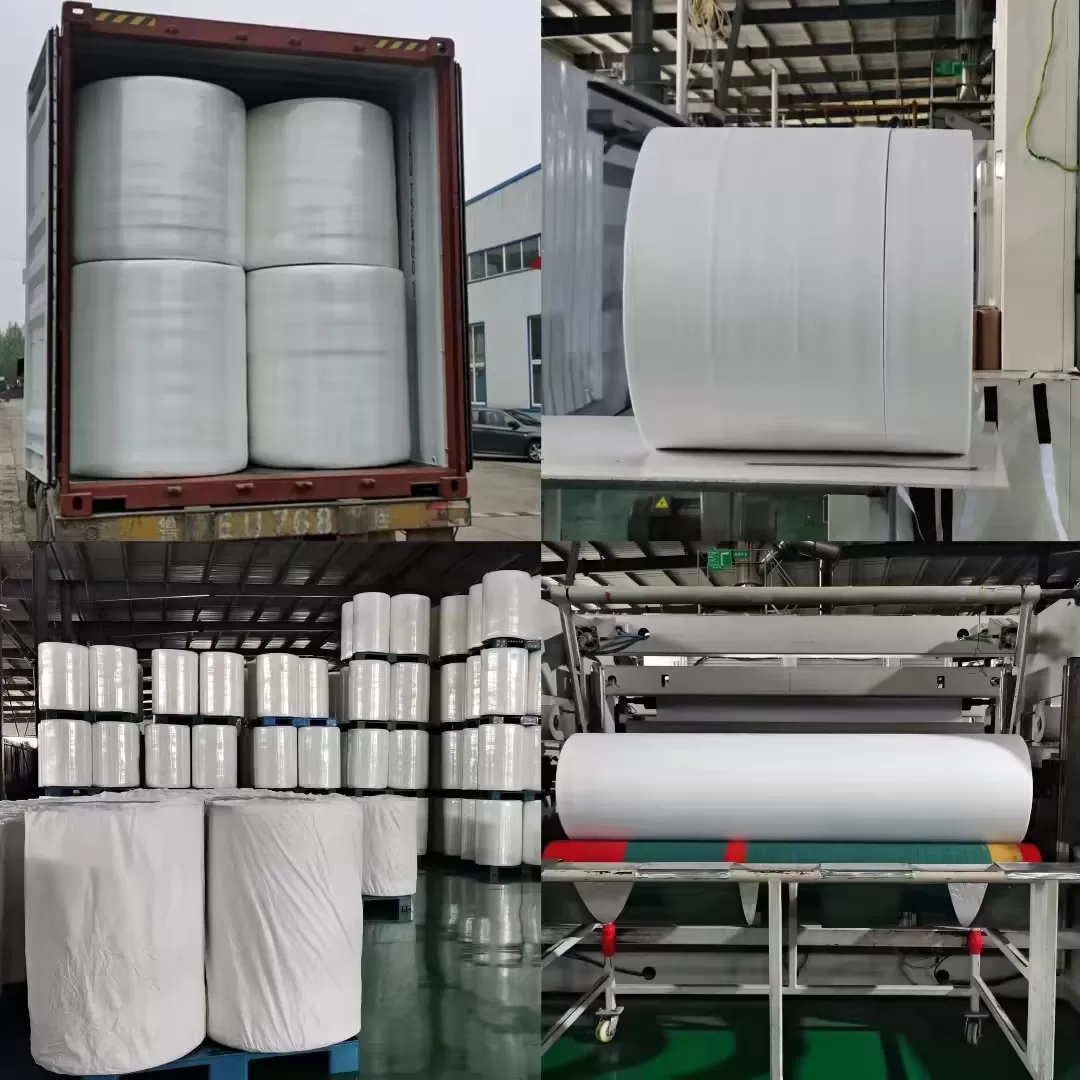
Managing global absorbent product supply chains involves coordinating bulk shipments of fluff pulp bales, multi-ton rolls of non-woven fabric, and containerized SAP bags. Disruptions in chemical precursor production (such as acrylic acid used in SAP synthesis) can impact global output. Experienced companies that make diapers maintain long-term supply contracts across diverse geographic regions to prevent line stoppage and cushion raw material price volatility. Enterprise operations like KIMEPR leverage centralized logistics hubs to ensure stable lead times for international importers and brand owners.
Regulatory Compliance and Hygiene Manufacturing Standards
Products designed for prolonged skin contact must meet strict international safety regulations, chemical restriction policies, and bio-compatibility standards.
ISO Certifications and Good Manufacturing Practices (GMP)
Industrial hygiene plants operate under ISO 9001 quality management systems and ISO 13485 medical device standards where applicable. Cleanroom environments or enclosed positive-pressure production zones restrict air particulate ingress, insect intrusion, and microbiological contamination. Daily surface swab testing, air sampling, and pest management procedures form the core of daily plant operation.
Chemical Safety and Environmental Compliance
Global markets impose stringent regulations regarding substances of concern in personal hygiene items. Finished products must be evaluated for:
Elemental Chlorine Disinfection: Modern production utilizes Totally Chlorine-Free (TCF) or Elemental Chlorine-Free (ECF) bleached fluff pulp to prevent dioxin formation.
Phthalates and Heavy Metals: Adhesives, printing inks, and elastic components must pass heavy metal screening and avoid restricted plasticizers.
Skin Sensitizers: Surfactants, fragrances, and lotions applied to the topsheet undergo dermatological patch testing to verify low allergic potential.
Evaluating Long-Term Manufacturing Partnerships
Choosing an industrial supplier for absorbent products requires looking past basic unit price quotes. Prospective buyers must analyze overall manufacturing capacity, plant automation levels, internal laboratory testing rigor, and sustainable development capabilities. Partnering with companies that make diapers featuring advanced converting machinery, continuous vision inspection, and stable raw material access ensures reliable product quality and consistent delivery schedules across fluctuating market cycles.
To request technical specifications, arrange factory audits, or initiate custom private label production inquiries, prospective corporate partners are invited to contact our B2B manufacturing engineering group. Submit your product specifications, target volume requirements, and packaging guidelines to receive a detailed cost structure analysis and sample evaluation package from KIMEPR.
Frequently Asked Questions
Q1: What are the primary differences between fluff-core and fluffs-free (composite) diaper cores?
A1: Fluff-core structures combine cellulose pulp fibers with superabsorbent polymer (SAP) granules, offering rapid fluid absorption and lower material costs. Fluffs-free cores replace pulp entirely with bonded layers of SAP and non-woven carrier tissues, yielding an ultrathin profile, higher total liquid retention per millimeter of thickness, and minimal deformation when wet.
Q2: How do high-speed production lines prevent SAP migration and uneven settling?
A2: Converting lines utilize specialized vacuum-drum core formers that suspend defiberized pulp and SAP granules in controlled air currents. The mixture is drawn into pockets under precise negative pressure, creating an even web distribution. Micro-tissue wrapping or non-woven wrapping immediately encapsulates the core matrix, locking granules in place prior to adhesive lamination.
Q3: What minimum order quantities (MOQ) are typical when partnering with OEM diaper manufacturers?
A3: MOQs depend primarily on raw material roll changeovers and packaging printing setup requirements. Standard industrial lines generally require minimum runs ranging from 100,000 to 300,000 units per size variant to optimize machine setup time and minimize material scrap during splice transitions.
Q4: How do manufacturers test for product leak resistance prior to mass distribution?
A4: Automated vision systems inspect mechanical dimensions and edge seals in real time on the line. In laboratory settings, technicians perform hydrostatic head tests on backsheet materials, measure side cuff elastic tension using force gauges, and conduct automated fluid strike-through and rewet tests under simulated body pressure.
Q5: What bio-compatibility standards apply to international diaper exports?
A5: Absorbent hygiene products exported internationally must comply with regional chemical safety frameworks such as EU REACH, pass ISO 10993 cytotoxicity and skin irritation testing, and utilize components free from banned elemental chlorine, phthalates, and restricted azo dyes.