
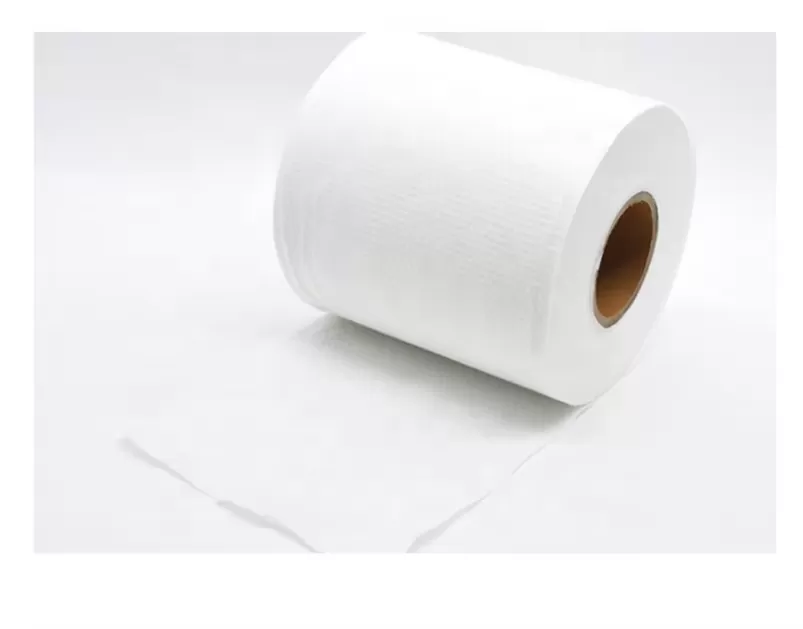
The global hygiene manufacturing sector has seen a shift toward highly targeted absorbent products. Among these, the disposable protective layer, commonly referred to as a diaper towel, serves as a cornerstone for maintaining hygiene standards in medical facilities, nursing homes, and commercial childcare centers. Rather than relying on generic dry wipes, institutional buyers require highly specialized structures capable of managing moisture control, skin protection, and fluid containment. This analysis examines the raw materials, manufacturing methods, quality metrics, and sourcing strategies that procurement managers must evaluate when selecting bulk supply partners.
1. Material Composition and Structural Layers
The efficiency of a modern sanitary sheet relies on its multi-layered design. Each layer must serve a distinct function to ensure fluid isolation and prevent leakage. The typical construction consists of three primary layers, each engineered with specific physical properties.
The Top Sheet (Fluid Acquisition Layer)
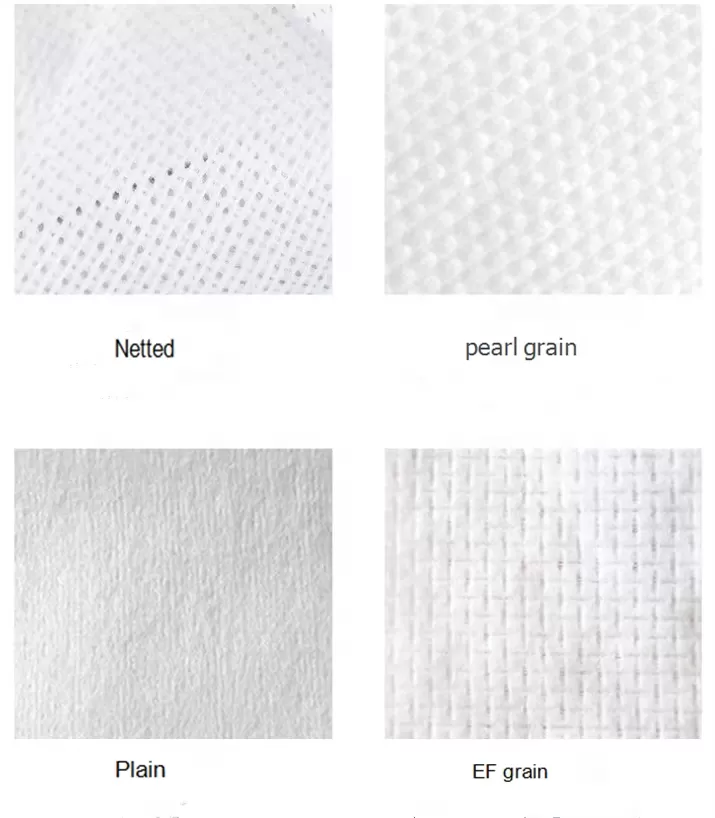
This layer comes into direct contact with the user's skin. Hydrophilic nonwoven fabrics, primarily spunbond polypropylene, are selected for their rapid fluid pass-through capabilities. The material must remain soft to minimize friction-induced skin damage. Advanced manufacturers utilize structured apertures or 3D embossing patterns on this layer. These physical modifications reduce the contact area with the skin, decreasing the risk of adhesion and maintaining a dry microclimate.
The Absorbent Core
To handle varying volumes of liquid, the core utilizes a blend of refined wood pulp (fluff pulp) and superabsorbent polymers (SAP). The ratio of SAP to fluff pulp determines the retention capacity under pressure.
Fluff Pulp: Acts as the initial wicking medium, pulling fluid away from the entry point and distributing it along the length of the core.
Superabsorbent Polymers (SAP): Typically cross-linked sodium polyacrylates, these polymers absorb many times their weight in liquid, converting it into a stable gel. This gel formation prevents fluid release even under high compressive loads, such as when a patient lies directly on the sheet.
The Back Sheet (Liquid Barrier Layer)
A liquid-impermeable layer, typically made of low-density polyethylene (LDPE) or breathable film laminates, prevents fluid from transferring to underlying surfaces such as bedding or examination tables. Breathable films allow water vapor to escape while blocking liquid molecules, which helps maintain lower humidity levels next to the skin, lowering the risk of tissue breakdown.
2. Advanced Bonding Technologies in Manufacturing
The method used to bond these fibers determines the strength, softness, and absorption efficiency of the final product. Three main manufacturing processes dominate the B2B supply market:
Spunlace (Hydroentanglement)
This process uses high-pressure water jets to entangle fibers, creating a strong web without the use of chemical binders. Spunlace fabrics offer excellent tensile strength and high drapeability, making them suitable for wipes and flexible liners. Because no chemicals are used in the bonding process, the risk of chemical-induced skin allergies is minimized.
Airlaid Bonding
Unlike traditional wet-laid paper-making, airlaid technology uses air to disperse and form a web of wood fibers and synthetic fibers. This results in a bulkier, more absorbent structure with high loft. Thermal bonding fibers are often blended into the airlaid web and melted via heated ovens to lock the structure. This provides excellent dry and wet strength while maintaining a highly porous core capable of rapid fluid intake.
Thermal Calendering
For outer protective layers, manufacturers like KIMEPR utilize advanced thermal bonding systems. This method passes the nonwoven web through heated patterned rolls, sealing the fibers at specific points. This pattern bonding ensures that the material retains structural integrity under tension while leaving the unbonded areas soft and flexible.
3. Performance Metrics and Testing Standards
When sourcing bulk hygiene products, relying on brand claims is insufficient. Procurement professionals must demand standardized test data to verify performance across key areas.
Liquid Acquisition Rate
This metric measures how quickly a liquid dose is absorbed by the sheet. Tested using standard EDANA/INDA methods, a faster acquisition rate prevents lateral run-off, protecting surrounding areas. Sourcing specifications should define maximum allowable strike-through times, typically measured in seconds for a standard volume of saline solution.
Rewet Value (Wetback)
After absorption, the material is subjected to pressure to measure how much moisture is forced back to the surface. Lower rewet values are crucial for preventing skin maceration. A high-performance diaper towel must maintain a rewet value below 0.1 grams under standard load tests, ensuring the skin remains dry even when pressure is applied.
Tensile Strength (Machine and Cross Directions)
Tensile strength determines the product's resistance to tearing during handling and position adjustments. Machine Direction (MD) and Cross Direction (CD) tensile strength must be balanced. If CD strength is too low, the product may tear when pulled sideways from a dispenser or bed sheet.
| Parameter | Standard Test Method | Target Value (Heavy-Duty) | Target Value (Light-Duty) |
|---|---|---|---|
| Liquid Strike-Through Time | EDANA 150.1 / INDA WSP 70.3 | < 3.0 seconds | < 4.5 seconds |
| Rewet (Wetback) | EDANA 151.1 / INDA WSP 70.8 | < 0.05 grams | < 0.15 grams |
| Tensile Strength MD | ISO 9073-3 | > 45 N / 50mm | > 25 N / 50mm |
| Tensile Strength CD | ISO 9073-3 | > 25 N / 50mm | > 12 N / 50mm |
4. Addressing Institutional Pain Points
Institutional facilities face distinct operational challenges that directly influence their purchasing decisions. Understanding these challenges helps manufacturers refine their product offerings.
Preventing Incontinence-Associated Dermatitis (IAD)
IAD remains a persistent issue in long-term care facilities. Traditional fabrics can trap heat and moisture, accelerating skin breakdown. Selecting the right diaper towel configuration directly affects the microclimate of the skin, keeping temperature and humidity within acceptable physiological ranges. By utilizing breathable outer films and advanced superabsorbent cores, facilities can reduce the incidence of IAD and lower associated treatment costs.
Storage and Compression Recovery
Bulk shipments are heavily compressed to optimize shipping containers and minimize transport costs. However, excessive compression can damage the fiber structure of the fluff pulp and reduce the swelling capacity of the SAP. High-quality manufacturers balance package density with material resilience to ensure the products regain their loft and absorption speed upon opening.
Waste Management and Disposal Costs
In heavy-use environments, the weight of discarded waste directly translates to disposal fees. Sourcing high-capacity, low-weight alternatives allows facilities to minimize overall waste volume without compromising patient protection. Thinner cores with higher SAP ratios can achieve the same absorbent performance as thick fluff pulp cores while reducing waste volume by up to 40%.
5. Sustainability and Alternative Fiber Integration
Regulatory pressures and corporate sustainability goals are forcing a reevaluation of traditional plastics in sanitary products. B2B buyers must navigate these changes without sacrificing performance.
Bio-Based Substrates
The industry is transitioning toward biodegradable alternatives such as bamboo viscose, polylactic acid (PLA), and organic cotton. These materials offer comparable tensile strength and fluid management properties while significantly reducing the environmental footprint. When evaluating biodegradable diaper towel options, development teams at KIMEPR focus on sourcing certified compostable raw materials that meet EN 13432 standards, ensuring that environmental claims are backed by rigorous scientific verification.
Chlorine-Free Bleaching Processes
Totally Chlorine-Free (TCF) and Elemental Chlorine-Free (ECF) bleaching processes are standard requirements for premium medical accounts. These methods prevent the formation of toxic dioxins, protecting both the environment and sensitive patient skin. TCF fluff pulp is preferred for products used on neonates and elderly patients with compromised dermal barriers.
6. Quality Control Protocols in Manufacturing
Maintaining uniformity across millions of units requires a strict quality assurance framework. Factory-level testing should encompass three main areas:
Online Inspection Systems
High-speed optical cameras are installed on production lines to detect defects such as pinholes, foreign particles, or uneven core distribution. Any product that falls outside the defined thickness or density tolerance is automatically rejected before packaging.
Biocompatibility Testing
For products used in clinical environments, compliance with ISO 10993 (Biological Evaluation of Medical Devices) is required. This ensures the material is non-irritating, non-sensitizing, and free from cytotoxic elements. Manufacturers must provide up-to-date skin irritation test certificates to potential buyers.
Microbiological Control
Since these products are used in close contact with sensitive areas, strict microbiological monitoring of the manufacturing environment is required. Periodic testing for aerobic plate count, yeast, and mold ensures that the products are hygienic and safe for immunocompromised patients.
7. Sourcing and Customization Strategies
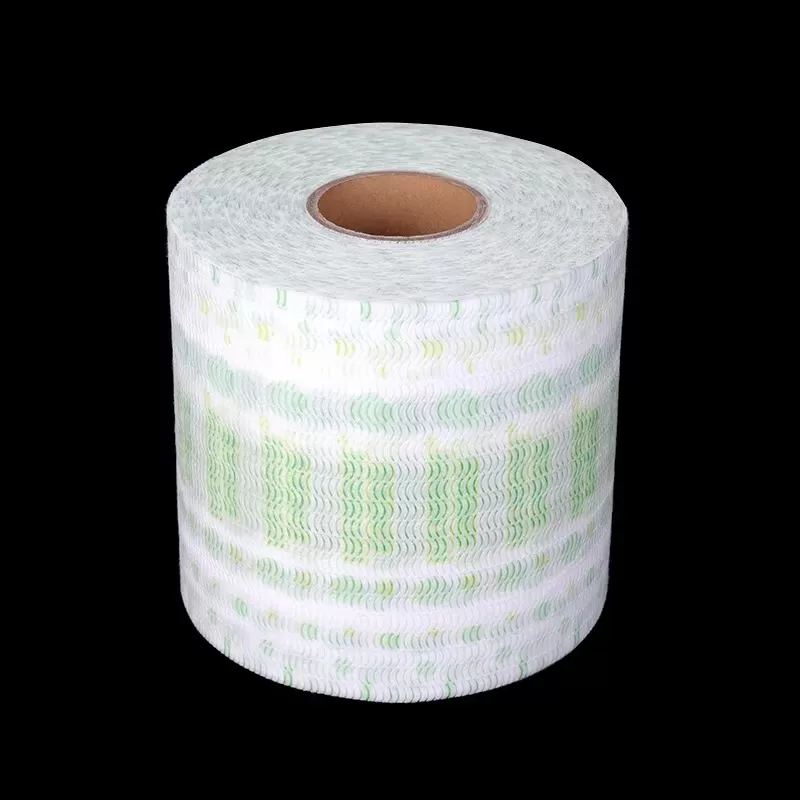
For distributors, hospital groups, and large-scale retailers, establishing a stable supply chain requires transparency in raw material sourcing and manufacturing capacity. Customization options, including custom sizing, GSM (grams per square meter) adjustments, and packaging configurations, are necessary to meet regional market preferences.
To discuss bulk pricing, request material safety data sheets, or receive custom specifications for your diaper towel procurement needs, please contact the KIMEPR engineering support team. Our representatives are prepared to provide detailed product breakdowns, laboratory test reports, and sample kits to support your evaluation process.
8. Frequently Asked Questions
Q1: What is the primary difference between a standard underpad and a
specialized diaper towel?
A1: While standard
underpads focus primarily on protecting furniture and bedding from fluid
leakage, a specialized diaper towel combines high absorbency with low-friction
skin contact surfaces. It is engineered with specific rewet parameters to
actively protect the user's skin integrity during extended contact, whereas
standard pads may use rougher top sheets that increase friction.
Q2: What GSM range is recommended for institutional-use absorbent
sheets?
A2: For light-duty wiping and quick
changes, a weight of 40 to 60 GSM is standard. For heavy-duty protection and
positioning sheets, weights ranging from 80 to over 150 GSM are recommended, as
they provide the necessary tensile strength and liquid containment capacity.
Q3: How do superabsorbent polymers (SAP) affect the disposal weight
of these products?
A3: SAP can absorb many times
its weight in water, converting liquid into a gel. While this maximizes the
absorption capacity of a lightweight sheet, it does increase the final waste
weight. Balancing the ratio of SAP to cellulosic fibers is key to managing both
absorption requirements and disposal costs.
Q4: Are these materials safe for extremely sensitive or compromised
skin?
A4: Yes, provided they are manufactured
without optical brighteners, chlorine, or added fragrances. Sourcing products
certified by independent testing bodies like OEKO-TEX or dermatological
institutes ensures the material does not cause sensitization or contact
dermatitis.
Q5: What packaging options are available to optimize warehousing and
shipping costs?
A5: Standard options include
high-compression polybags, bulk boxes, and individually wrapped units for
clinical environments. High-compression packaging reduces shipping volumes by up
to 30%, though it requires high-quality fiber structures to ensure complete
recovery after unpacking.