
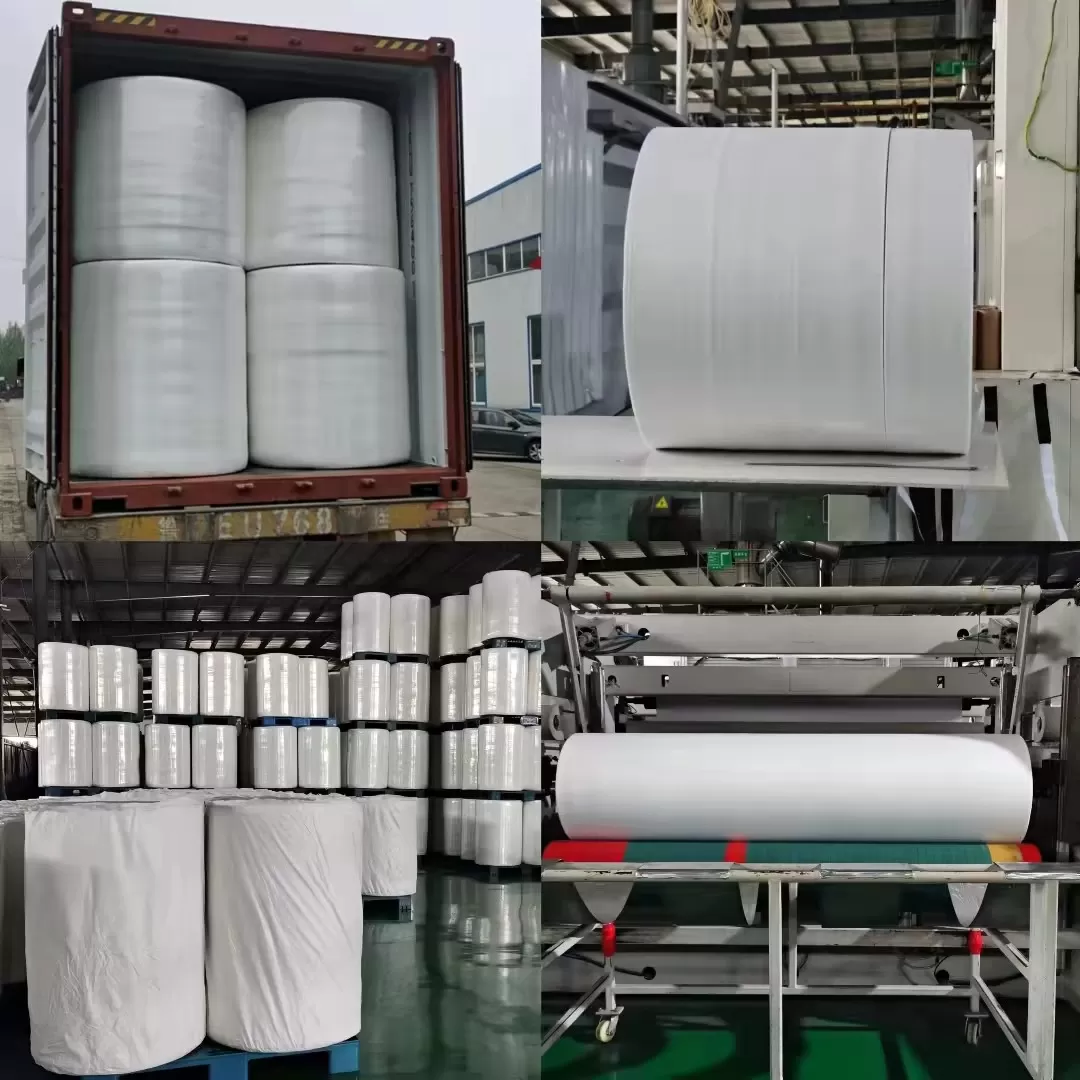
Maintaining rigorous diaper safety parameters requires systematic oversight across every phase of manufacturing, from raw material procurement to high-speed converting. Personal hygiene products designed for infant care demand stringent quality controls due to the delicate nature of infant skin, which exhibits a thinner stratum corneum and higher permeability compared to adult skin. B2B manufacturers and brand owners must address raw material purity, chemical compliance, mechanical design, and automated continuous inspection to fulfill regulatory requirements and safeguard consumer well-being.
The global regulatory framework surrounding single-use absorbent hygiene products continues to evolve. Compliance mandates now encompass comprehensive toxicological screenings, trace chemical evaluations, and biomechanical performance assessments. Meeting these demands requires deep integration between material science, chemical engineering, and converting line automation.
Chemical Composition and Toxicological Screening
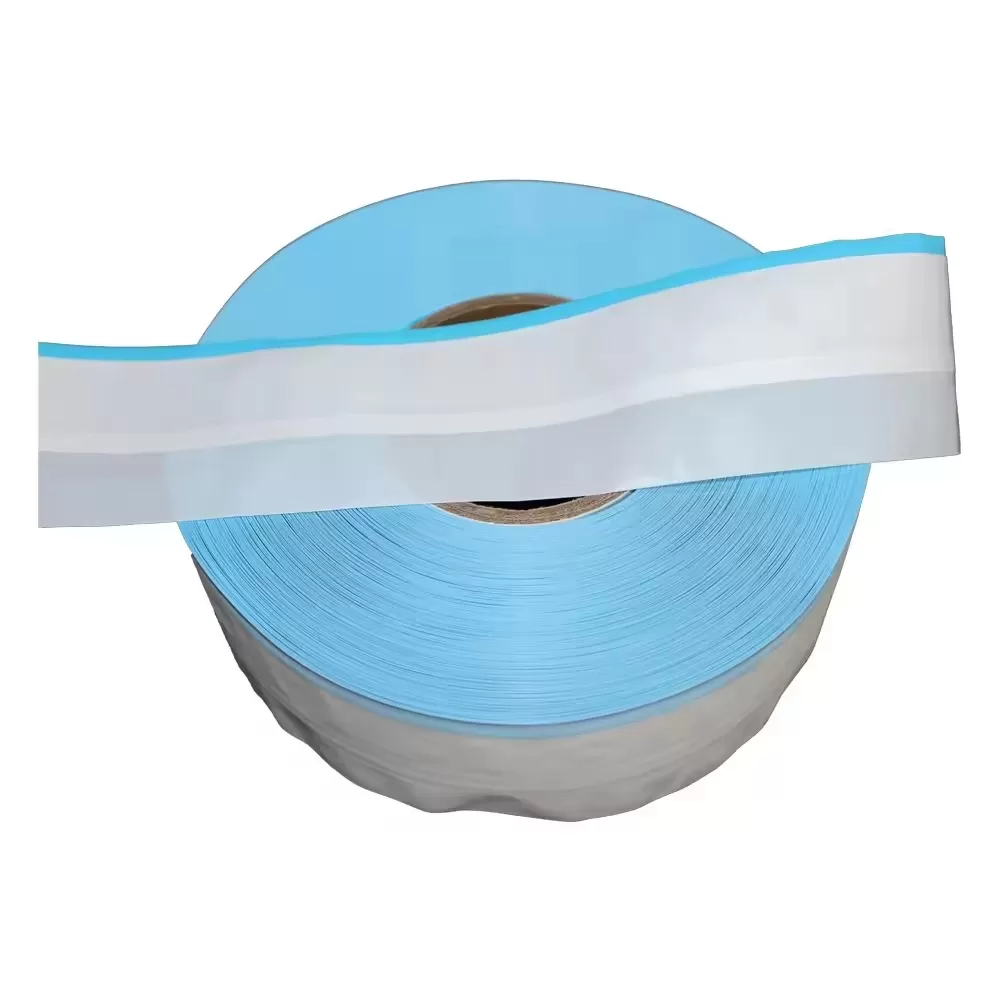
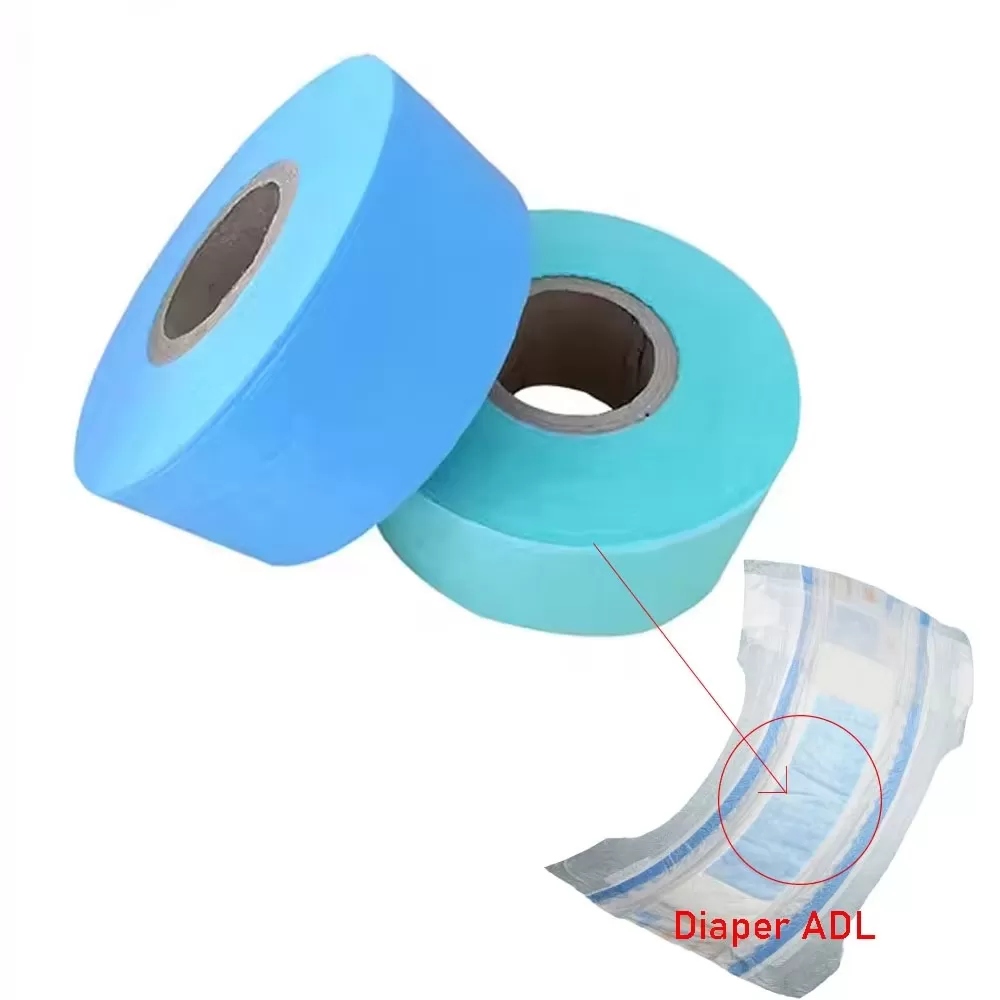
The core structure of a modern disposable diaper consists of multiple layers: a top sheet, an acquisition-distribution layer (ADL), an absorbent core composed of superabsorbent polymers (SAP) and fluff pulp, a backsheet, and various elastomeric components. Every chemical compound present in these components must undergo detailed toxicological evaluation to prevent cutaneous irritation or systemic toxicity.
Absorbent Core Purity
Superabsorbent polymers are cross-linked polyacrylates designed to absorb and retain fluids under pressure. Residual acrylic acid monomers remaining from the polymerization process present a potential risk for dermal sensitivity. High-grade industrial standards require residual monomer levels to remain below strict parts-per-million (ppm) thresholds. The fluff pulp blended with SAP must also be evaluated for bleaching agents. Bleaching methods have shifted away from elemental chlorine to Elemental Chlorine-Free (ECF) or Totally Chlorine-Free (TCF) processes, eliminating dioxins and furans from the processing stream.
Adhesives and Volatile Organic Compounds
Hot melt adhesives secure structural layers, elastic strands, and core components. Unstable adhesive formulations can off-gas Volatile Organic Compounds (VOCs) or contain trace heavy metals and phthalate plasticizers. Formulations utilizing solvent-free synthetic rubber-based adhesives reduce off-gassing while maintaining thermal stability during application at temperatures exceeding 150 degrees Celsius. Routine headspace gas chromatography-mass spectrometry (GC-MS) testing verifies that residual VOC concentrations remain within permissible exposure limits, directly reinforcing overall diaper safety during extended wear scenarios.
Dermatological Compatibility and Biocompatibility Protocols
Top sheets come into direct contact with the epidermis for extended periods, creating a micro-environment characterized by increased humidity, pressure, and biological fluids. Preventing diaper dermatitis requires engineered materials that minimize friction and maintain the skin's natural physiological pH.
Transepidermal Water Loss (TEWL): High-performance nonwovens allow fluid to pass rapidly into the absorbent core while preventing wet-back, preserving the stratum corneum barrier function.
Biocompatibility Testing: In accordance with ISO 10993 standards for medical devices, nonwoven materials undergo cytotoxicity testing via MEM elution, as well as intracutaneous reactivity and skin sensitization assays.
pH Neutrality: Material coatings and lotion formulations applied to the top sheet are calibrated to sustain an epidermal pH range between 4.5 and 5.5, inhibiting enzymatic activity from urinary and fecal enzymes that cause skin breakdown.
Nonwoven selection relies heavily on Polypropylene (PP) or Polyethylene (PE) bicomponent fibers manufactured via spunbond or carded air-through processes. These methods yield soft, low-friction surfaces that resist linting and fiber detachment, minimizing mechanical abrasion against sensitive skin.
Automated Manufacturing Systems and In-Line Quality Assurance
High-speed diaper production lines operate at speeds exceeding 800 to 1,000 pieces per minute. At these operational rates, manual inspection is impossible. Machinery design plays a direct role in integrating automated systems that enforce diaper safety at high production speeds.
Converting machinery developed by equipment manufacturers like KIMEPR incorporates multi-stage optical vision systems, high-resolution line-scan cameras, and sensor arrays to continuously monitor product integrity. Vision systems evaluate material alignment, missing elastic strands, tape positioning, and adhesive distribution patterns in real time.
Contaminant and Defect Detection
Foreign material contamination—such as airborne dust, metallic particles, or oil droppings from pneumatic systems—presents severe risks to end-product integrity. High-efficiency particulate air (HEPA) filtration systems combined with enclosed converting cabinets maintain controlled environment conditions around the web path.
Metal Detectors: Inductive sensor arrays detect sub-millimeter ferrous and non-ferrous particles prior to final folding and packaging.
Optical Defect Scanning: 4K color vision cameras inspect 100% of the web surface for discoloration, foreign fibers, or core clump irregularities.
Non-Contact Ultrasonic Bonding: Replacing chemical adhesives with ultrasonic welding for side seams and landing zones reduces chemical inputs and eliminates thermal burning risks on delicate nonwoven webs.
Global Regulatory Frameworks and Analytical Testing
Navigating global compliance requires alignment with standardized testing methodologies developed by international bodies, such as EDANA (European Disposables and Nonwovens Association) and INDA (Association of the Nonwoven Fabrics Industry). These organizations define Nonwovens Standard Procedures (NWSP) for assessing fluid strike-through times, wet-back performance, and material tensile strength.
Chemical monitoring aligns with regional legislation, including the European Union's REACH regulation regarding Substances of Very High Concern (SVHC). High-performance liquid chromatography (HPLC) and inductively coupled plasma mass spectrometry (ICP-MS) analyses are conducted periodically on finished products to confirm the absence of formaldehydes, organotin compounds, heavy metals, and prohibited fragrance allergens.
Supply Chain Traceability and Raw Material Verification
Manufacturing high-safety hygiene products depends on strict vendor management and raw material traceability. Raw material lots—ranging from nonwoven rolls and SAP shipments to elastic spools—must accompany standard Certificates of Analysis (CoA) verifying compliance with technical specifications.
Through collaboration with equipment leaders such as KIMEPR, hygiene operations achieve precise raw material tension control and zero-speed splicing capability, reducing material deformation that could compromise structural integrity. Barcode scanning systems log roll numbers into central Enterprise Resource Planning (ERP) databases, enabling full backward and forward traceability from individual packaged units to specific raw material batches.
Establishing transparent diaper safety metrics across raw material suppliers, machinery builders, and converted product manufacturers ensures consistent quality, minimizes production downtime, and protects brand reputation in competitive consumer markets.
Frequently Asked Questions
Q1: What are the primary chemical considerations regarding diaper
safety in commercial manufacturing?
A1: Chemical considerations
focus on residual acrylic acid monomers in superabsorbent polymers, volatile
organic compounds in hot melt adhesives, bleaching residue in fluff pulp, and
heavy metals or phthalates in printed backsheets. Regular GC-MS and HPLC testing
confirms these compounds stay below global exposure limits.
Q2: How do high-speed production lines prevent physical contamination
during assembly?
A2: Automated lines utilize enclosed web paths,
continuous HEPA dust extraction systems, high-resolution line-scan vision
cameras, and inline inductive metal detectors to identify and reject defective
units containing foreign particles without stopping the production line.
Q3: What role does machine engineering play in maintaining diaper
safety metrics?
A3: Machine engineering dictates web tension
control, precise application of adhesives, and non-contact ultrasonic bonding.
Systems designed by equipment manufacturers like KIMEPR ensure
stable mechanical assembly, preventing structural failures such as tab detaching
or core rupture during product use.
Q4: What is the difference between ECF and TCF pulp, and why does it
matter for product compliance?
A4: Elemental Chlorine-Free (ECF)
pulp uses chlorine dioxide, while Totally Chlorine-Free (TCF) pulp uses
non-chlorine agents like hydrogen peroxide or ozone. Both methods prevent the
formation of harmful dioxins and furans, satisfying international safety
requirements for skin-contact hygiene products.
Q5: How is nonwoven skin compatibility objectively measured in B2B
quality labs?
A5: Compatibility is evaluated through ISO 10993
cytotoxicity assays, liquid strike-through time tests (NWSP 070.3), rewet tests
(NWSP 080.1), and transepidermal water loss (TEWL) clinical studies to verify
low friction and effective humidity control.
Q6: How can hygiene product brand owners ensure raw material
compliance across multi-regional supply chains?
A6: Brand owners
should mandate standardized Certificates of Analysis for each raw material
batch, implement lot-level barcode tracking through ERP systems, and conduct
third-party laboratory verification under EDANA/INDA test guidelines.
Engineering Next-Generation Hygiene Manufacturing Lines
Selecting appropriate machinery and establishing robust process controls are critical decisions for hygiene product manufacturers seeking to elevate quality standards. Consult with KIMEPR engineering specialists to evaluate high-speed manufacturing lines, automated optical inspection options, and machinery integration strategies tailored to your enterprise production requirements. Send an inquiry today to request technical documentation and line specifications.