
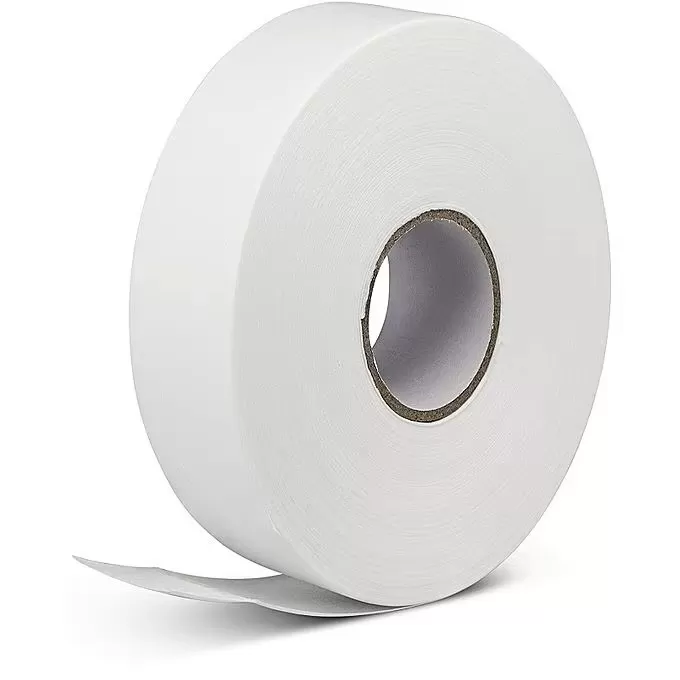
Fluff pulp represents 40% to 60% of the raw material cost in a standard disposable hygiene core. While saving $20 per metric ton on paper invoice price looks attractive on paper, a single roll defect can erase that margin within minutes. Line stops caused by web breaks, high shredder power consumption, or poor fiber opening quickly inflate your operational costs.
High-speed converters running at 600 to 1,000 products per minute demand consistent mechanical and absorbency traits. If you manage procurement for baby diapers, adult incontinence briefs, or feminine sanitary napkins, your buying criteria must extend far beyond basic FOB pricing. At KIMEPR, we supply converters with verified roll stocks designed to maintain stable runnability and uniform core formation.
This technical guide evaluates fluff pulp rolls wholesale sourcing through the lens of total cost of ownership (TCO). You will learn how chemical treatments, fiber morphology, logistics optimization, and contract structures directly impact your factory floor margins.
Need immediate line trials? Inquire now to request trial rolls and complete COAs from our technical team.
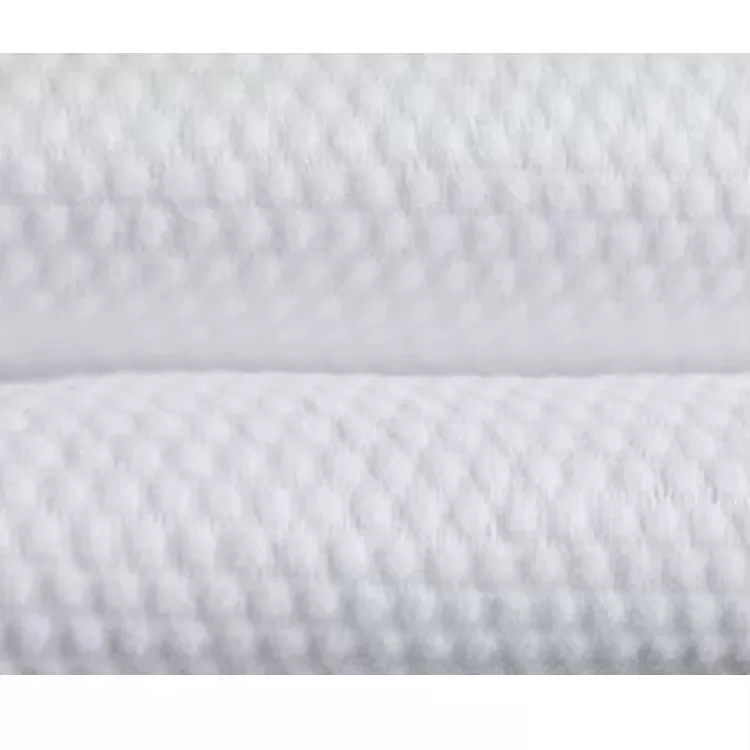
Chemical Treatments: Untreated vs. Semi-Treated vs. Treated Fluff Pulp
Specifying the right chemical treatment level dictates how cleanly the pulp sheet defibrates inside your hammer mill. It also impacts how efficiently the fiber matrix accepts and distributes bodily fluids across the absorbent core.
Untreated Fluff Pulp
Untreated fluff pulp relies on 100% virgin wood fibers without debonding chemicals. It provides the highest capillary suction and liquid retention capacity. Because fiber-to-fiber hydrogen bonds remain fully intact, it requires more mechanical energy to shred.
Best applications: High-performance baby diapers, high-capacity adult incontinence pads, and thick maternity pads where rapid absorption is non-negotiable.
Processing impact: Demands heavy-duty hammer mill motors and sharp shredding knives to prevent fiber knits.
Semi-Treated and Fully Treated Fluff Pulp
Manufacturers apply debonding agents (surfactants) to the pulp wet-end before drying. These agents weaken fiber bonding, substantially reducing the energy required for mechanical defibration.
Semi-treated pulp: Strikes a balance by lowering defibration energy by 20% to 35% while preserving acceptable wicking speed. It works reliably in standard diaper lines balancing line speed and power consumption.
Fully treated pulp: Lowers shredding resistance to the absolute minimum. However, the surfactant can reduce core hydrophilicity, slowing down acquisition rates. It fits ultra-thin sanitary pads and panty liners processed on lines with lighter hammer mill systems.
Critical Quality Benchmarks: The Lab Metrics That Predict Machine Runnability
Every shipment of fluff pulp rolls wholesale should arrive with an authentic Certificate of Analysis (COA). Understanding the interplay between these metrics allows your process engineers to tune shredder clearances and unwinder tensions accurately.
Defibration Energy and Knot Content
Defibration energy (measured in kJ/kg or J/g via Kamas testing) defines how much electrical load your hammer mill draws. High defibration energy leads to high knot content—unopened fiber clusters that create hard lumps inside the core.
Knots reduce core softness, puncture backsheet films, and fail to trap Superabsorbent Polymers (SAP) effectively. Target a knot content below 1.5% to ensure a silky, uniform absorbent pad.
Liquid Absorption Time and Retention Capacity
Tested via EDANA/INDA standards (such as the SCAN-C 33:80 method), absorption time measures capillary uptake speed. Retention capacity measures the grams of liquid retained per gram of dry pulp after centrifugation.
Virgin Southern Bleached Softwood Kraft (SBSK) consistently delivers retention values above 9.5 g/g. It creates an open, three-dimensional cellulose matrix that locks SAP granules into place, preventing polymer migration during movement.
Mullen Burst and Tensile Strength
A continuous web must withstand rapid acceleration, deceleration, and auto-splicing cycles. Mullen burst strength measures the sheet’s resistance to rupture under pressure, while tensile strength measures cross-direction and machine-direction pull.
Low sheet strength leads to web breaks at the unwinder, causing extensive downtime and material scrap. High burst strength is required for running speeds exceeding 800 pieces per minute.
Technical Parameter Comparison for Converters
| Testing Metric | Standard Method | Untreated (SBSK) Target | Treated Pulp Target | Impact on Manufacturing |
|---|---|---|---|---|
| Defibration Energy | Kamas Mill (kJ/kg) | 38 - 48 | 18 - 28 | Hammer mill power & knife wear |
| Knot Content | Screen Fractionation (%) | < 2.0% | < 0.8% | Core softness & film puncture risk |
| Absorption Capacity | SCAN / ISO (g/g) | 10.0 - 11.5 | 8.5 - 10.0 | Total liquid reservoir volume |
| Retention Capacity | Centrifuge (g/g) | 9.0 - 10.0 | 7.5 - 8.5 | Rewet control under body weight |
| Mullen Burst Strength | ISO 2758 (kPa) | 280 - 380 | 180 - 240 | Web break rates at high speeds |
| Average Fiber Length | Optical Analyzer (mm) | 2.4 - 2.8 | 2.3 - 2.7 | Pad integrity and core stability |
Matching Fluff Pulp Grades to Absorbent Core Architectures
Every product category has distinct core density, thickness, and distribution objectives. Choosing the wrong grade compromises performance and inflates cost.
Baby Diapers and Adult Incontinence Articles
Modern baby diapers use 30% to 50% pulp paired with high SAP loading. Adult briefs rely on higher pulp volumes (up to 70%) to manage sudden, large gushes of urine.
Structural risk: High SAP concentrations increase the risk of gel blocking, where swollen polymers stop liquid flow.
Solution: Use untreated SBSK with a high average fiber length (2.5 mm+). The long fibers create stable transport channels, moving liquid longitudinally before SAP blocks the surface.
Core integrity: High-bulk long fibers prevent the core from cracking or shifting when wet, avoiding leaks between the legs.
Sanitary Pads and Ultra-Thin Panty Liners
Feminine hygiene pads feature thin profiles and calendered absorbent systems. Consumers demand discretion and extreme softness.
Structural challenge: Thick cores are unacceptable in modern retail markets. The core must be heavily compressed without turning stiff or brittle.
Solution: Semi-treated or fully treated fluff pulp allows clean fiber release at lower shredder speeds. The fiber accepts embossing rolls easily, forming defined fluid barriers without tearing the tissue wrap.
Roll Dimensions, Packaging, and Logistics Optimization
Fluff pulp is high-volume freight. When procuring fluff pulp rolls wholesale, poor packaging or mismatched roll configurations can increase transport costs and generate unrecoverable factory scrap.
KIMEPR collaborates directly with logistics carriers and factory engineers to standardize reel geometry and container loading patterns, keeping landed costs fully predictable.
Reel Geometries and Machine Unwinds
Modern unwinding stands require exact roll dimensions to maintain steady web tension during automatic splicing. Mismatches will force your operators to run at half speed.
Outer Diameter (OD): Typically 48 inches (1,219 mm) to 60 inches (1,524 mm). Larger rolls mean fewer changeovers and lower core waste, but verify your overhead crane and floor stand weight limits.
Slit Width: Standard widths range from 300 mm to 500 mm, tailored to the hammer mill intake throat. Slit tolerance should stay within ±2 mm to prevent edge jams.
Core Internal Diameter (ID): Usually 3 inches (76 mm) or 6 inches (152 mm). Ensure your pneumatic chucks and expandable mandrels match supplier specifications.
Container Loadability: Maximizing 40HQ Payload
Fluff pulp typically cubes out before it hits container weight limits unless rolls are packed efficiently. Ocean freight rates make payload maximization essential.
Floor loading (Eye-to-Sky or Eye-to-Wall): Maximizes roll count inside 40HQ containers, fitting roughly 18 to 21 metric tons depending on sheet density. However, unloading requires specialized roll clamp attachments on forklifts.
Palletized shipments: Simplifies unloading with standard forklifts and protects roll edges. However, pallets reduce container capacity down to 14 to 16 tons due to lost vertical clearance.
Moisture Control and Outer Packaging
Ocean transits expose rolls to tropical humidity and container condensation. Fluff pulp should enter the converter at 6% to 8% target moisture.
Specify multi-layer packaging consisting of heavy-duty, water-resistant kraft paper or recyclable polyethylene wrapping. Damaged roll edges lead to high-speed web tears at unwind stands, turning outer roll layers into unusable floor scrap.
Risk Management, Certifications, and Sourcing Strategies
Relying exclusively on spot pulp purchases leaves hygiene converters vulnerable to sharp pricing spikes and supply shortages. Sourcing managers must implement structured hedging and strict sustainability screening.
Essential Certifications for Export Markets
Retail brand owners and enterprise distributors require transparent proof of sustainable harvesting and material safety.
FSC and PEFC: Forest Stewardship Council and Programme for the Endorsement of Forest Certification confirm that wood fiber stems from responsibly managed forests. Essential for exporting to Europe and North America.
FDA & EU Reach Compliance: Verifies that total heavy metals, halogenated organics (AOX), and residual processing chemicals fall well below hazardous thresholds for direct skin contact.
Oeko-Tex Standard 100: Proves that the fiber is free from harmful levels of toxic substances, a prerequisite for premium infant care branding.
Long-Term Agreements vs. Spot Purchases
Raw wood pulp operates on global commodity price cycles influenced by energy rates, harvest conditions, and shipping bottlenecks. Successful factories spread purchasing risk across two main channels:
Contract volume (70% - 80%): Secured via quarterly or annual contracts tied to recognized market pulp indexes (such as Fastmarkets RISI). This locks down guaranteed monthly tonnage for baseline production lines.
Spot market volume (20% - 30%): Purchased strategically during seasonal market dips to drive down average inventory carrying costs.
Supplier Evaluation Matrix for Procurement Teams
| Evaluation Pillar | Specific Verification Points | Risk Level If Ignored |
|---|---|---|
| Technical Consistency | Batch-to-batch Mullen burst stability, uniform basis weight (±3%), low knot fraction | High scrap rates, recurrent web splices, frequent hammer mill blockages |
| Capacity & Scalability | Direct mill access, guaranteed monthly allocation, multi-site redundancy | Production shutdowns during unexpected supply chain force majeure events |
| Packaging & Protection | Multi-layer poly-wrapping, reinforced roll headers, dedicated clamp truck loading | Moisture absorption, ovalized roll cores, unspooling failures on the machine |
| Traceability & Compliance | FSC chain-of-custody, Elemental Chlorine-Free (ECF) or TCF bleaching declarations | Customs detention, failed retail audits, ESG non-compliance fines |
Frequently Asked Questions (FAQ)
Q1: Why is Southern Bleached Softwood Kraft (SBSK) considered the benchmark for fluff pulp?
A1: SBSK fibers sourced from slash and loblolly pines feature thick cell walls and exceptional fiber length, averaging between 2.5 mm and 3.0 mm. This morphology provides high pad bulk, excellent liquid transport channels, and strong pad networks that hold together under mechanical stress.
Q2: How does roll moisture content affect absorbent pad processing?
A2: Target moisture content sits between 6% and 8%. If moisture drops below 5%, the web becomes brittle and prone to static buildup, generating paper dust during shredding. If moisture exceeds 9%, defibration energy spikes, and fibers clump instead of opening cleanly.
Q3: What causes edge tears and web breaks at the unwinder, and how can they be prevented?
A3: Edge tears usually stem from rough roll handling by forklift clamps, overtightened binding straps, or moisture softening the outer wrapper. Specify reinforced end-caps, avoid rolling naked reels across concrete floors, and calibrate unwinder braking tensions to prevent dynamic shock loads.
Q4: Can we replace virgin fluff pulp with recycled fiber in disposable hygiene items?
A4: No. Recycled fibers contain shorter, brittle fragments with collapsed lumens, resulting in inadequate absorption speed and poor liquid capacity. Furthermore, regulatory consumer safety rules for sanitary and infant care products require virgin cellulose to avoid chemical contaminants and allergens.
Q5: What is the minimum order quantity (MOQ) typically required for fluff pulp rolls wholesale orders?
A5: Because fluff pulp travels as industrial roll goods via ocean freight, the standard wholesale minimum order is a full 40HQ container load, holding between 18 and 21 metric tons. Mill-direct custom slitting widths may carry higher trial batch minimums depending on current production deckles.
Secure Your Fluff Pulp Supply Chain with KIMEPR
Balancing runnability, absorbency, and cost control requires reliable fiber chemistry and disciplined reel packaging. Skimping on technical specifications to cut raw material costs leads to line jams, high reject counts, and compromised brand trust.
KIMEPR supplies converters globally with premium untreated and treated fluff pulp roll stocks engineered for modern, high-speed diaper and sanitary pad machinery. Our logistics managers streamline shipping payloads to minimize your landed cost per metric ton.
Ready to run a production validation? Contact our technical team today to request trial fluff pulp rolls, detailed technical data sheets, and custom quotes for your production schedule.