
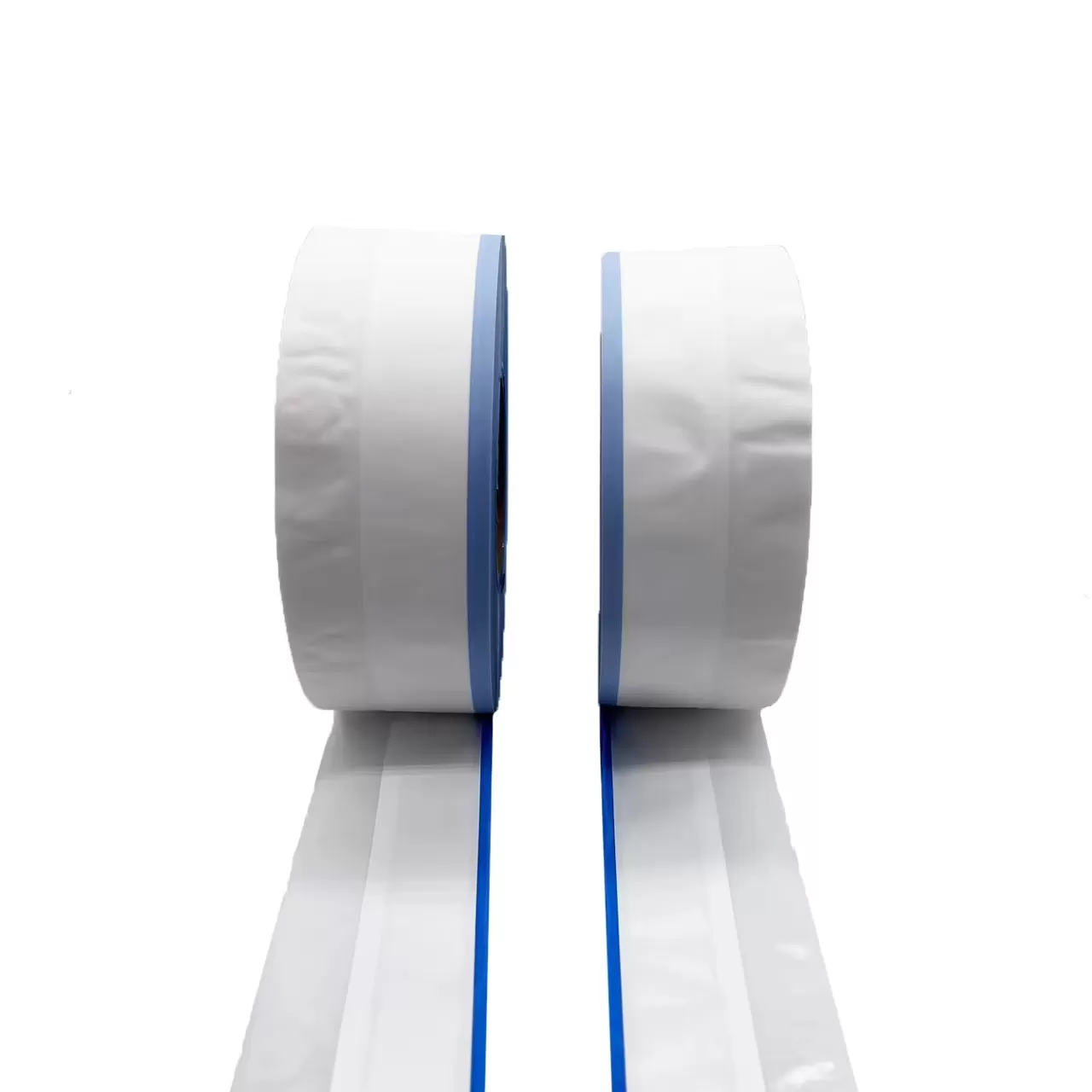
Sourcing raw materials for absorbent hygiene products requires balancing fiber quality, pricing, and machine runnability. Choosing the right USA fluff pulp supplier directly impacts your line speed, core integrity, and scrap rates.
High-speed diaper converters cannot afford roll defects, inconsistent basis weights, or high defibration energy. At KIMBER, we have spent over two decades engineering diaper production lines and integrating plant operations. We understand that even premium pulp can underperform if your hammermills and forming drums are not dialed in.
Are you looking to optimize your raw material sourcing and eliminate machine downtime? Contact the KIMBER engineering team today for a plant-level raw material audit and tailored line-integration support.
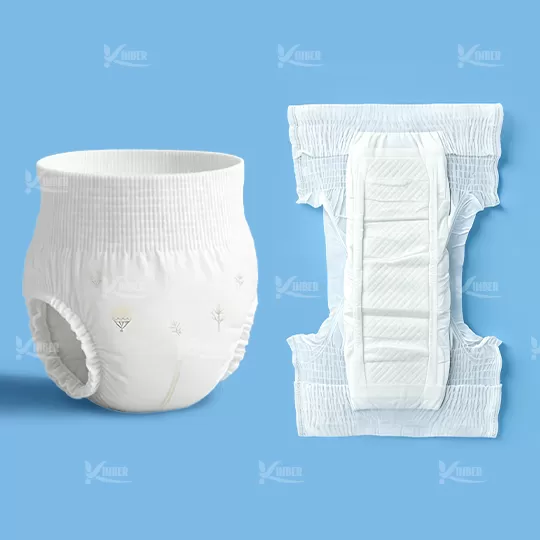
Why USA Fluff Pulp Remains the Benchmark for Global Hygiene Products
Southern Bleached Softwood Kraft (SBSK) from the Southeastern United States remains the gold standard for baby diapers, adult incontinence briefs, and feminine hygiene pads. The reason lies in the biology of the slash and loblolly pine species native to that region.
These trees yield thick-walled fibers with unmatched aspect ratios. When processed, they create an open, porous structure with high bulk and superior liquid distribution.
Global demand patterns heading into 2026 confirm that hygiene converters prefer US-sourced fiber over regional alternatives. Recycled fibers and hard-wood blends fail to match the capillary pull and dry strength needed for modern, ultra-thin absorbent cores.
However, running high-speed converters at 600 to 1,000 pieces per minute presents serious challenges. Inconsistent moisture levels cause jams at the unwinding station, while poor fiber separation dulls hammermill blades and creates pinholes in backsheets.
Key Criteria for Evaluating a USA Fluff Pulp Supplier
Procurement directors must look beyond price per metric ton. To protect your margins and output rates, evaluate your suppliers against these measurable metrics:
Fiber Length and Coarseness: Long fibers (typically 2.5 mm to 3.0 mm) provide tensile strength in the core, preventing cracking when the diaper is wet.
Defibration Energy: The energy (measured in kJ/kg) required to separate the dry sheet into individual fibers without breaking them. Lower energy means less heat buildup and lower electric utility bills.
Mullen Burst Strength: The mechanical pressure the dry roll withstands before rupture, which determines whether the web will snap during high-tension unwinding.
Core Formation and Capillary Wicking: How evenly the fiber mixes with Superabsorbent Polymer (SAP) and spreads liquid along the longitudinal axis of the product.
Chain-of-Custody Certifications: Verifiable FSC (Forest Stewardship Council) and PEFC credentials to ensure entry into North American and European retail markets.
Top 10 USA and North American Fluff Pulp Suppliers (2026 Ranking)
1. International Paper (IP)
International Paper operates some of the world's largest pulp facilities across the US Southeast, including key mills in Georgia and Florida. Their signature SBSK fluff pulp grades offer uniform sheet density and low defibration resistance.
IP is the primary partner for multinational consumer brands due to their massive export volume, deep port logistics, and rigorous multi-mill supply redundancy.
2. Georgia-Pacific Cellulose
Georgia-Pacific's Golden Isles fluff pulp brand enjoys wide recognition among hygiene converters worldwide. Produced primarily at their Brunswick, Georgia facility, this pulp excels in absorption capacity and fluid retention.
GP treats its fibers to control static electricity during high-speed shredding. This characteristic keeps fluff pulp defibration machine compatibility high and minimizes fire hazards in the forming section.
3. Domtar (Paper Excellence Group)
Operating under the Paper Excellence umbrella, Domtar runs large-scale facilities like Plymouth, North Carolina. They have driven major advancements in fluff pulp engineering for adult incontinence and ultra-slim diaper designs.
Domtar delivers treated, semi-treated, and untreated options, providing converter facilities with raw materials customized for specific core densities and SAP-to-fluff ratios.
4. Rayonier Advanced Materials (RYAM)
RYAM focuses on high-purity cellulose and specialty fibers, operating advanced production assets in the Southeast US. Their fluff pulp grades undergo strict quality monitoring to ensure ultra-low shive counts.
Manufacturers producing sensitive medical pads and ultra-premium baby diapers turn to RYAM when zero foreign contamination and pure brightness are mandatory.
5. Resolute Forest Products
Resolute balances production assets across the US and Canada, producing reliable, high-yield pulp suitable for budget-conscious diaper converters. Their integration into global transport routes ensures stable shipping schedules into Asia, Latin America, and Europe.
Their pulp exhibits clean defibration profiles, making them a practical choice for plants running mid-speed production lines without specialized hammermill tooling.
6. Clearwater Paper
Clearwater Paper supplies premium bleached softwood kraft pulp from its US manufacturing centers. They maintain tight control over basis weight variability and roll moisture, reducing tension breaks during uncoiling.
Their untreated fluff pulp grades deliver fast liquid intake rates, which makes them ideal for multi-layer acquisition distribution systems (ADL).
7. Sylvamo
Spun off from International Paper's printing papers arm, Sylvamo holds prime forest concessions and pulp capabilities in North America. Their virgin softwood pulp programs focus on mechanical strength and fiber durability.
Sylvamo offers an attractive supply source for converters seeking long-term volume contracts with certified sustainable harvesting tracking.
8. Suzano (Americas Distribution)
While historically rooted in Brazilian eucalyptus hardwood, Suzano has built an aggressive North American distribution and sales infrastructure. They supply innovative blended solutions combining long softwood fibers with micro-fibrillated alternatives.
Their R&D centers focus on hybrid absorbent cores, helping converters test unconventional formulas to mitigate fluctuating softwood market pricing.
9. Stora Enso (Americas Trade Division)
Stora Enso maintains active import and joint distribution hubs in North America. They serve global hygiene converters that require circular economy compliance and low carbon-footprint manufacturing.
Their fluff pulp grades comply with the strictest eco-labels across the globe, providing a turnkey option for brands marketing bio-based, carbon-neutral diapers.
10. Mercer International
Mercer is a major producer of premium NBSK (Northern Bleached Softwood Kraft), with sales offices and logistics networks spanning the United States. While NBSK differs slightly from Southern SBSK, Mercer's long, thin fibers offer exceptional tensile reinforcement.
Hygiene manufacturers blend Mercer's fibers with standard southern grades to reinforce core pads, preventing diaper collapse during heavy physical activity.
Need help matching these pulp grades to your factory floor? KIMBER engineers can evaluate your raw material specs against your current machinery. Inquire with our technical team to optimize your bill of materials.
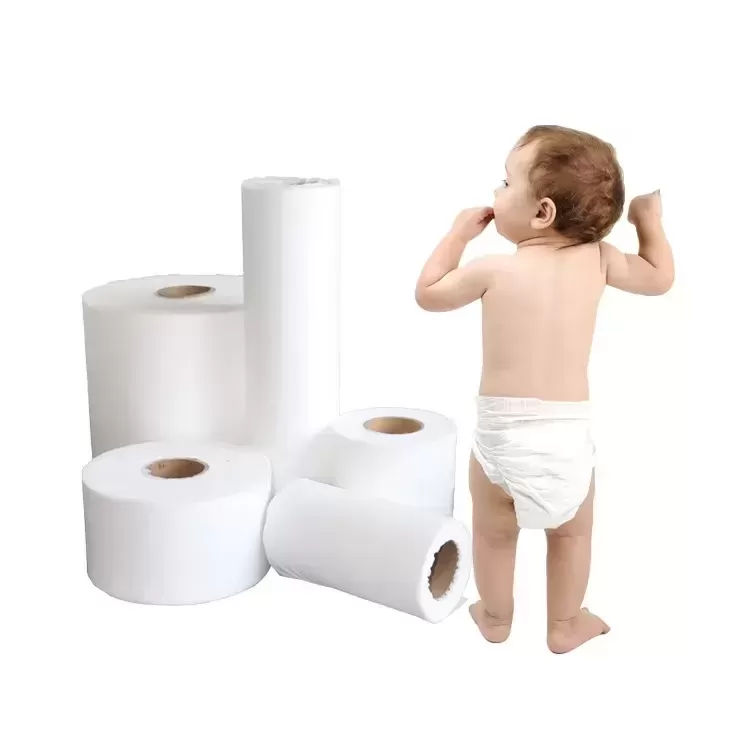
Untreated vs. Treated Fluff Pulp: Procurement Strategy
Procurement teams must understand the operational trade-offs between untreated and treated fluff pulp:
Untreated Fluff Pulp: This is pure cellulose without chemical softening agents. It provides the highest water absorption capacity, fastest wicking, and maximum pad bulk. However, it requires significantly higher defibration energy to shred, causing faster wear on hammermill teeth.
Treated Fluff Pulp: Manufacturers apply chemical debonding agents to weaken the inter-fiber hydrogen bonds. This pulp shreds easily with low energy consumption and minimal dust. However, the debonding chemicals slightly reduce absorption capacity and can slow overall liquid strike-through rates.
For high-capacity baby diapers, untreated SBSK from a vetted USA fluff pulp supplier remains standard. For ultra-thin feminine pads or facilities looking to cut electricity bills, semi-treated or treated pulp offers clear operational benefits.
Engineering Synergy: Maximizing Fluff Pulp on KIMBER Diaper Lines
Sourcing fiber from a tier-one pulp mill solves only half of your manufacturing equation. The remaining challenge takes place inside your processing machinery.
Hammermill Defibration and Blade Life
High-density rolls from US mills can wear down sub-standard tool steel in a matter of weeks. When cutting tips lose their edge, they do not cleanly separate fibers; they tear them apart. This generates excessive "fluff dust" that clogs filter bags, fouls glue applicators, and creates weak structural spots in the pad.
KIMBER equips our diaper production lines with heavy-duty hammermills using tungsten-carbide treated tips, dynamic rotor balancing, and variable-frequency motors. This configuration allows you to run high-burst US pulp grades at maximum roll width without creating excessive micro-dust.
Zero-Trim Core Optimization
Fluff pulp waste during core profiling directly hurts your bottom line. Conventional rotary core dies cut the absorbent pad shape and blow perimeter waste back into the reclamation chute. Repeatedly recycling chopped fiber damages the strands and weakens absorption performance.
KIMBER incorporates proprietary Zero-Trim cutting units. Our tooling cuts absorbent cores with surgical accuracy, reducing edge trim waste by 3% to 5%. Over a year of 24/7 manufacturing, saving 5% on US softwood kraft pulp recovers hundreds of thousands of dollars.
Total Cost of Ownership (TCO): The True Math
A procurement manager might save $30 per metric ton by purchasing unbranded pulp from spot traders. But that calculation falls apart when that pulp hits the factory floor:
Unstable basis weight causes uneven core thickness, triggering visual rejection cameras.
Higher shive counts mean hard, un-shredded fiber clumps punch micro-tears through the polyethylene backsheet, causing leakage.
Machine shutdowns to clear jammed unwind stands can cost up to $1,500 per hour in lost throughput.
Partnering with a proven USA fluff pulp supplier and running those rolls through a precision-engineered KIMBER diaper line protects your gross margins across millions of product cycles.
Frequently Asked Questions (FAQ)
Q1: Why is US Southeastern fluff pulp preferred over European softwood pulp?
A1: The loblolly and slash pine varieties grown in the US Southeast have thicker cell walls and longer individual fibers than Northern European spruce or pine. This physical profile yields superior dry bulk, faster capillary suction, and stronger pad integrity when saturated with urine.
Q2: How does roll moisture content affect diaper converting line speeds?
A2: Fluff pulp rolls should maintain a moisture level between 6% and 8%. If the pulp is too dry (below 5%), defibration generates high static charges and airborne dust. If the pulp is too wet (above 10%), fibers pack tightly in the hammermill, driving up motor amps and causing uneven core formation.
Q3: Can KIMBER production lines process both treated and untreated fluff pulp?
A3: Yes. KIMBER lines feature variable-speed hammermills and adjustable vacuum air-forming systems. Operators can toggle between untreated SBSK for maximum bulk and treated pulp for high-speed, low-energy converting directly via the central HMI screen.
Q4: How can diaper converters reduce pulp consumption without losing absorption performance?
A4: Manufacturers can introduce high-permeability SAP, apply multi-layer core profiling, and install KIMBER Zero-Trim cutting upgrades. These modifications concentrate fluff fiber only where liquid actually strikes, eliminating material waste at the wings and leg cuffs.
Q5: What certifications should I demand from a USA fluff pulp supplier?
A5: At a minimum, secure FSC Chain-of-Custody (CoC) or PEFC certifications, ISO 9001 for manufacturing quality control, and FDA/BfR food-contact compliance documentation to verify low bio-burden and skin safety.
Secure Your Converting Line Success with KIMBER
Optimizing your diaper manufacturing operations takes more than just a list of wood pulp vendors. It requires an engineering partner who understands how raw fibers behave under extreme mechanical stress, heat, and high vacuum pressures.
Whether you need to upgrade your existing hammermills, implement zero-trim scrap reduction, or build a greenfield baby diaper factory from the ground up, KIMBER delivers complete turnkey machinery and technical commissioning.
Take the next step in streamlining your hygiene supply chain:
Contact KIMBER today to request our comprehensive Hygiene Raw Material TCO Calculation Report or schedule a technical review for your diaper converting equipment.