
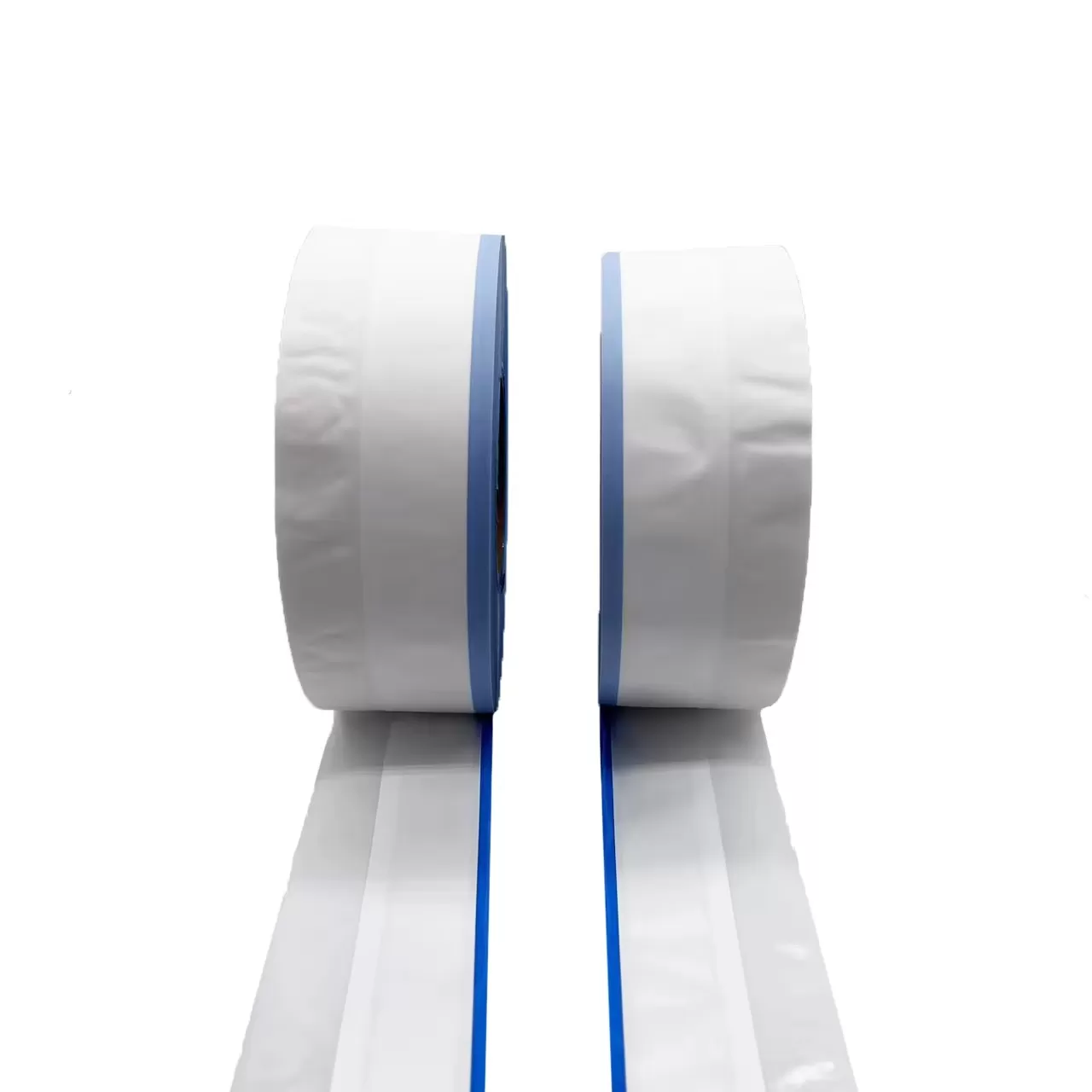
Institutional care settings, including nursing homes, specialized rehabilitation centers, and long-term care facilities, face ongoing challenges in managing patient incontinence. While disposable products have dominated the market for decades, the procurement of a robust towel diaper for adults represents a growing trend toward high-absorbency, reusable care solutions. This transition is driven by the need for superior microclimate control, waste reduction, and long-term cost stability. For procurement managers and healthcare distributors, evaluating these products requires a deep understanding of textile engineering, fabric durability, and clinical utility.
KIMEPR manufactures professional-grade reusable incontinence textiles engineered to withstand the rigorous demands of commercial laundering while maintaining skin integrity for non-ambulatory patients. Selecting the appropriate textile specifications involves balancing absorption capacities, drying times, and fiber longevity.
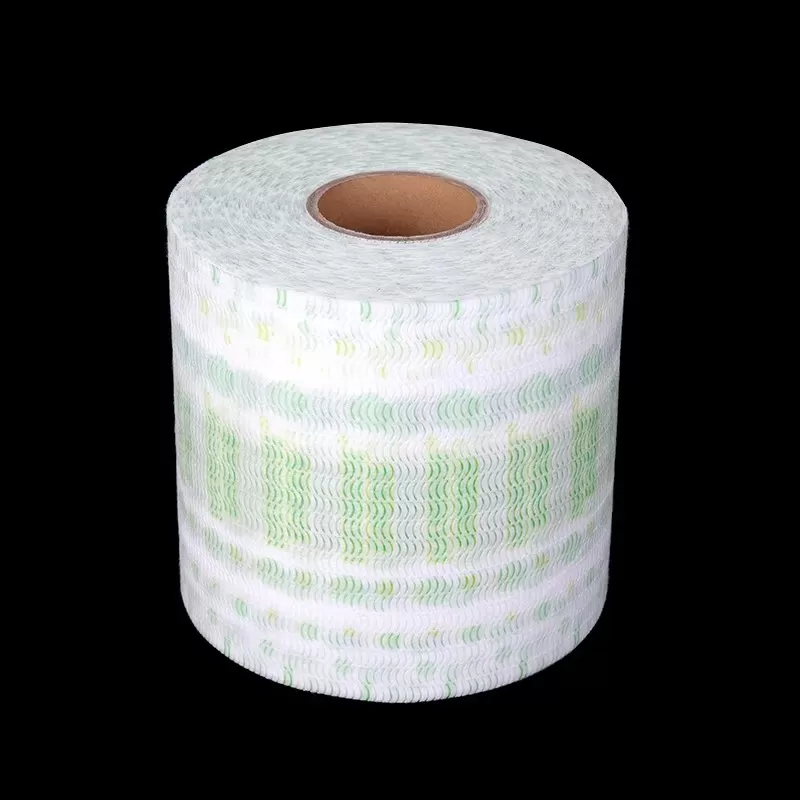
Material Composition and Absorption Physics
The performance of a reusable adult brief depends primarily on the weave structure and fiber blend of its absorbent core. Traditional disposable options rely on sodium polyacrylate superabsorbent polymers (SAP), whereas a reusable towel diaper for adults utilizes capillary action within woven or knitted textile loops to trap and disperse fluids.
Yarn Count and Loop Density
The base fabric of a high-capacity brief is typically a cotton terry or a cotton-polyester blend. Terry cloth features uncut loops on one or both sides, which significantly increases the surface area available for moisture absorption. Yarn count, such as 21s/2 double yarn, determines the strength and absorption speed of the fabric. A lower yarn count indicates a thicker thread, which provides higher durability under tension but may require more washing cycles to reach maximum absorbency potential.
Grams per Square Meter (GSM) Standards
The weight of the terry cloth, measured in grams per square meter (GSM), is a primary indicator of its fluid retention capabilities. For institutional use, a weight range of 380 to 450 GSM is typically selected.
Below 350 GSM: Faster drying times but insufficient fluid retention for overnight or heavy-use scenarios, leading to frequent changes and increased staff labor.
350 to 450 GSM: The standard for institutional use, offering a balanced performance profile with high absorption capacity and manageable laundering cycle durations.
Above 450 GSM: High absorption but excessively long drying times in commercial dryers, which accelerates fiber degradation and increases utility costs.
Fiber Blending for Structural Integrity
Pure cotton offers excellent hydrophilic properties but is prone to shrinkage and high fiber loss during commercial drying cycles. Blending 80% cotton with 20% polyester in the ground warp yarn, while keeping the surface loops 100% cotton, preserves the skin-friendly properties of natural fibers while utilizing the high tensile strength of synthetic polymers. This structural reinforcement prevents the warping and thinning of the brief over continuous usage cycles.
The Impact of Towel Diaper for Adults on Skin Health
Incontinence-associated dermatitis (IAD) and pressure ulcers are prevalent issues in long-term care facilities, often exacerbated by poor heat dissipation and moisture retention at the skin surface. The design of a towel diaper for adults must prioritize microclimate regulation to mitigate these risks.
| Parameter | Disposable Synthetic Briefs | Premium Reusable Towel Diapers | |
|---|---|---|---|
| Breathability | Low; plastic backing traps warm, humid air next to the epidermis. | High; woven fibers allow natural air circulation and heat dissipation. | Highly Variable |
| Surface Friction | Moderate to high when wet, increasing risk of shear injuries. | Low; soft cotton loops reduce direct mechanical friction against fragile skin. | Dependent on textile wear |
| Fluid Dispersion | Localized gel formation can cause pressure concentration points. | Capillary action spreads fluid across the entire surface, reducing localized pooling. | Uniform distribution |
When the skin is exposed to constant wetness, the stratum corneum softens and becomes vulnerable to mechanical damage. The high breathability of a woven cotton-blend brief helps maintain a stable relative humidity within the diaper environment. Unlike synthetic non-woven materials, which can create a greenhouse effect, cotton allows moisture vapor to escape while the absorbent core holds bulk liquid away from the body. This continuous regulation of the microclimate helps prevent the skin breakdown that precedes deep tissue injuries.
Industrial Laundry Lifecycle and Durability Parameters
In B2B procurement, the cost-effectiveness of a reusable textile is measured by its survival rate in commercial laundry systems. A standard towel diaper for adults must endure high-temperature thermal disinfection and chemical exposure without losing its functional properties.
Thermal Disinfection Compatibility
To comply with healthcare hygiene standards, institutional laundry processes often employ water temperatures of 71 degrees Celsius (160 degrees Fahrenheit) for a minimum of 25 minutes. Synthetic backings or low-grade TPU (Thermoplastic Polyurethane) laminates used for water-barrier properties often delaminate or crack under these conditions. KIMEPR utilizes high-specification, medical-grade polyurethane barrier layers that are heat-stabilized to withstand prolonged exposure to elevated temperatures without losing their fluid-impermeable characteristics.
Chemical Resistance and Tensile Strength
The introduction of chlorine bleach and alkaline detergents during the wash cycle can rapidly break down cellulose fibers in cotton. Over time, this chemical action leads to thinning, pilling, and loss of tensile strength. To prevent premature tearing, particularly around pressure points and fastening zones, the construction must feature reinforced stitching. Double-needle overlock seams utilizing high-denier polyester threads ensure that the edges do not fray or split under the mechanical stress of industrial extraction centrifuges.
Comparative Cost Analysis: Disposable vs. Reusable Systems
The initial purchase price of a reusable towel diaper for adults is significantly higher than that of a single-use disposable brief. However, a comprehensive lifecycle cost analysis demonstrates a different economic reality over a multi-year horizon.
Consider a 100-bed facility with an average occupancy rate of 90%. If each patient requires five diaper changes per day, the facility consumes 450 disposable units daily. Over a single year, this represents 164,250 disposable units. In addition to the direct procurement cost of these disposables, the facility must account for the logistical costs of secure storage space, frequent restocking labor, and municipal waste disposal fees for contaminated waste, which are often billed by weight.
Implementing a reusable system utilizing KIMEPR products reduces the continuous purchasing cycle. With a conservative lifecycle of 150 washes per brief, a pool of approximately 1,500 reusable units can support the same facility for a year, assuming an efficient daily in-house laundry rotation. The ongoing operational expenses shift from procurement and waste disposal to water, energy, and laundry detergents. In most regional jurisdictions, the utility costs associated with washing reusable diapers are substantially lower than the recurring capital required to purchase, store, and dispose of synthetic single-use plastics.
Sourcing and Manufacturing Standards at KIMEPR
As a global supplier in the hygiene and medical textile sector, KIMEPR maintains strict quality control measures to ensure that every batch of reusable adult diapers meets international healthcare standards. Our manufacturing lines utilize automated cutting and precision stitching equipment to eliminate human error in seam alignment and fastener placement.
Our raw materials are sourced from certified partners who guarantee the absence of harmful chemical residues, such as formaldehyde or heavy metals, which can cause contact dermatitis in sensitive patients. The bonding process between the absorbent terry cloth layer and the waterproof backing is monitored via heat and pressure sensors to guarantee uniform adhesion, preventing the pocketing or shifting of layers during high-speed extraction cycles.
B2B Procurement and Inquiry Guidelines
For healthcare institutions, medical distributors, and commercial laundry operators, establishing a reliable supply chain is key to maintaining consistent care standards. Selecting the right towel diaper for adults requires detailed specification alignment based on your facility's laundry infrastructure and patient demographic needs.
KIMEPR provides tailored manufacturing services to meet specific weight, size, and material composition requirements. If you are seeking to optimize your linen supply chain, reduce environmental waste, or lower your facility's long-term operational expenditures, our engineering team is available to assist with custom product development, fabric weight optimization, and bulk pricing schedules.
Please contact our commercial sales office with your technical specifications, including target GSM, required wash-cycle durability, and estimated annual volume, to receive a formal quotation and material samples for facility testing.
Frequently Asked Questions
Q1: What is the average lifespan of a KIMEPR towel diaper for adults under standard industrial laundry conditions?
A1: Under standard institutional laundering protocols—including water temperatures up to 71 degrees Celsius and commercial drying—our products are engineered to retain their structural integrity and absorption capacity for 150 to 180 wash-and-dry cycles. Avoid using excessive chlorine bleach or high-alkali detergents, as these will accelerate fiber degradation.
Q2: How does the absorption speed of a reusable towel brief compare to a disposable diaper?
A2: Reusable cotton terry relies on natural capillary action, which absorbs liquids rapidly upon contact. While disposable SAP gels can lock away higher absolute volumes of liquid per gram of material, they take longer to swell and absorb initial surges. The woven loops of our towel briefs provide immediate uptake, reducing the risk of side-leakage during sudden voiding events.
Q3: Are custom sizes and absorption levels available for bulk wholesale orders?
A3: Yes. KIMEPR specializes in OEM and ODM manufacturing. We can customize the dimensions, the weight of the absorbent terry layer (from 300 to 500 GSM), the color-coding of the bindings for easy size sorting in busy laundry rooms, and the fastener style to match your facility's specific operational preferences.
Q4: How do reusable towel diapers contribute to institutional environmental goals?
A4: Transitioning to reusable briefs directly reduces the volume of solid medical waste sent to landfills or incinerators. Standard disposables consist primarily of synthetic plastics and wood pulp treated with chemicals, which take decades to decompose. A reusable brief significantly minimizes the ecological footprint of a care home by replacing hundreds of single-use items over its useful life.
Q5: What is the recommended washing protocol to prevent diaper rash and material buildup?
A5: We recommend a multi-step wash cycle: a cold pre-rinse to flush organic matter, a main wash cycle with a mild non-ionic detergent at 60–71 degrees Celsius, a thorough rinse cycle to remove all chemical residues, and an optional mild souring agent in the final rinse to restore the fabric pH to a skin-neutral level (5.5 to 6.5). Fabric softeners should be avoided, as they deposit a hydrophobic coating that reduces absorption capacity.