
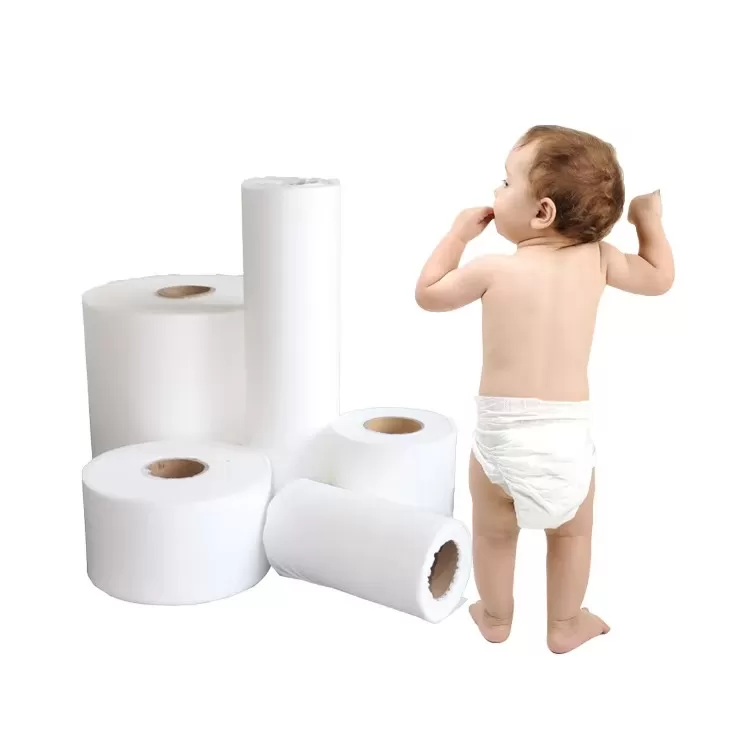
The global market for adult incontinence products has experienced a significant transition. Demographic changes, particularly the aging population in developed regions and growing healthcare awareness in developing economies, have driven a sharp rise in demand. Among the various product formats, disposable pull-on protective underwear has emerged as a preferred choice for individuals seeking to maintain active lifestyles despite moderate to severe incontinence.
For high-volume distributors, institutional procurement managers, and private label brands, selecting the right manufacturing partner is not merely a matter of unit price. It requires a thorough understanding of raw material selection, manufacturing consistency, and supply chain logistics to ensure product performance matches market expectations.
1. Market Dynamics and the Shift toward Protective Underwear
Traditionally, the adult incontinence sector was dominated by open-style diapers featuring adhesive side tapes. While these remain highly effective for non-ambulatory patients or those requiring intensive care, they present challenges for active users or individuals in rehabilitation. Pull-on styles offer a more underwear-like fit, promoting independence and dignity.
From a commercial perspective, the market is expanding beyond traditional clinical environments. Retail chains, online pharmacies, and specialized care centers are expanding their shelf space for disposable protective wear. This shift requires suppliers to deliver products that balance high absorption capacity with a discreet, thin profile. KIMBER addresses these challenges by developing advanced product designs that satisfy both clinical requirements and consumer preferences for discretion.
2. Raw Material Architecture and Performance Engineering
The functionality of protective underwear depends entirely on its material composition. Modern production methods utilize a multi-layered structure where each layer serves a specific fluid management function.
The production of adult nappies pull ups requires a precise balance of materials to manage both liquid absorption and skin dryness. Below is an analysis of the primary components involved in high-performance product designs:
The Acquisition Distribution Layer (ADL)
Positioned directly beneath the top sheet, the ADL is a synthetic fiber layer (usually resin-bonded or through-air bonded non-woven) designed to receive surges of liquid quickly. Its primary purpose is to distribute the fluid longitudinally across the entire length of the core, preventing localized pooling and ensuring the superabsorbent core is utilized efficiently.
Superabsorbent Polymer (SAP) and Fluff Pulp Core
The core is the functional engine of the product. It consists of a blend of cross-linked sodium polyacrylate (SAP) and bleached softwood kraft fluff pulp. The ratio between these two materials determines the performance characteristics:
High SAP Ratio: Results in a thinner profile and higher retention capacity under pressure, but slower initial absorption speed.
High Pulp Ratio: Provides rapid initial intake (strike-through) but results in a bulkier product that is more prone to wetback (rewet under body weight).
For high-quality products, premium polymer grades with high absorption under load (AUL) are utilized to prevent liquid from squeezing back out when the user sits down.
Elastomeric Waistband Systems
Unlike tape-on briefs, pull-on styles rely on a continuous elastic waistband to secure the product. This waistband is constructed by laminating multiple strands of elastomeric polyurethane threads (such as Lycra or high-performance spandex) between two layers of spunbond non-woven fabric. The tension of these elastics must be carefully calibrated. Excessive tension causes skin irritation and red marks, while insufficient tension leads to product slippage and leakage during movement.
Breathable Backsheet Materials
The outermost layer prevents liquid from escaping while allowing water vapor to pass through. This is achieved by laminating a microporous polyethylene film with a soft spunbond non-woven fabric. The micropores are small enough to block liquid water molecules but large enough to permit moisture vapor to escape, maintaining a healthy microclimate next to the skin and reducing the risk of incontinence-associated dermatitis (IAD).
3. Manufacturing Methods and Quality Assurance
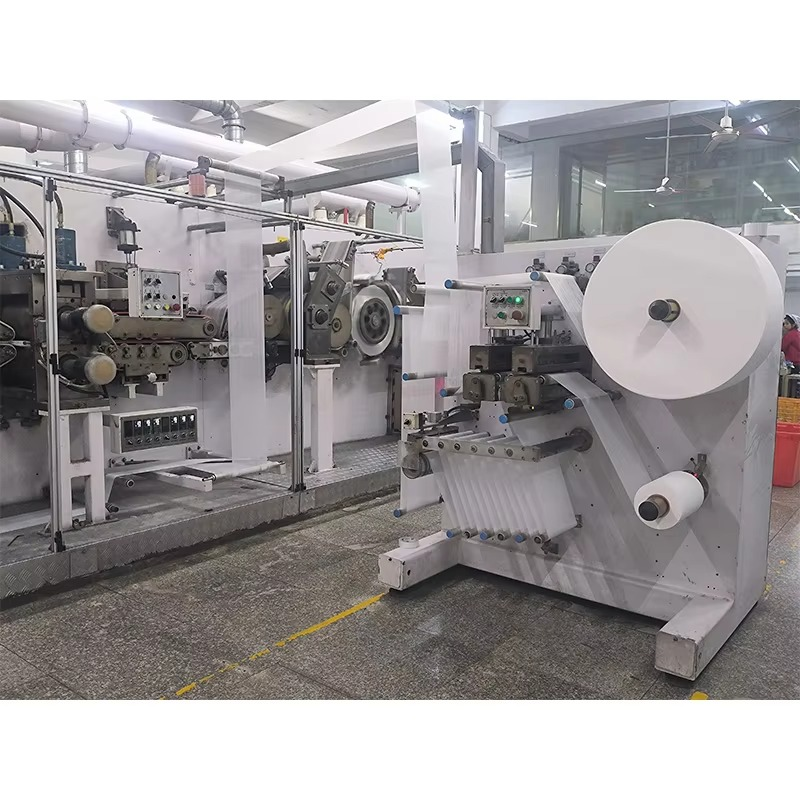
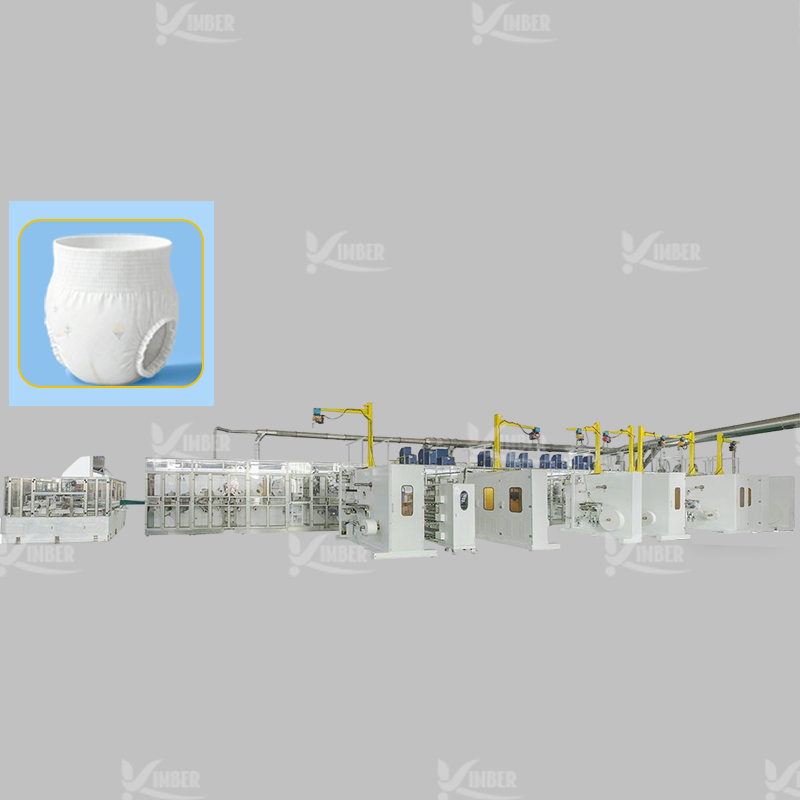
Consistent product performance is achieved through automated, high-speed assembly lines equipped with real-time quality control systems. Variations in raw materials or machine tension can lead to defects that compromise leak protection.
At KIMBER, manufacturing processes are governed by strict quality management protocols. Key focus areas in the production of protective underwear include:
Ultrasonic Bonding: Rather than relying solely on hot-melt adhesives, ultrasonic welding is used to seal the side seams. This method provides a strong bond during wear but allows for easy tearing along the seam during product removal and disposal.
Continuous Tension Control: Automated sensors monitor the feed rate and tension of elastomeric threads continuously. This prevents uneven gathers and ensures that the waistband and leg cuffs retain uniform elasticity across all batches.
In-Line Vision Inspection: High-resolution camera systems scan every unit on the conveyor belt to detect defects such as misaligned ADLs, folded elastics, or uneven core distribution. Substandard units are automatically ejected from the line.
4. Application Scenarios and Customization (OEM/ODM) Options
Different commercial channels require distinct product profiles. A standard product designed for retail supermarket shelves may not satisfy the operational needs of a long-term care facility.
Consequently, professional distributors of adult nappies pull ups often require tailored configurations based on the intended application scenario:
Institutional and Clinical Care
Hospitals and nursing homes prioritize functional efficiency, skin protection, and cost per use. In these environments, products with high absorption capacity (often exceeding 2,000 ml) are preferred to reduce the frequency of changes, thereby lowering labor costs for nursing staff. Wetness indicators, which change color to signal when a replacement is needed, are also a standard requirement here.
Retail and E-commerce Brands
Retail consumers seek discretion, comfort, and an underwear-like appearance. Products destined for these markets feature low-profile cores, quiet (non-rustling) backsheets, and neutral colors or patterns. Packaging must also be compact to maximize retail shelf space and reduce home storage requirements.
Customization Options
To serve these varied channels, manufacturers offer flexible OEM/ODM programs. Sourcing partners can customize specifications including sizing ranges (from Small to XX-Large), absorption levels, raw material origins (such as FSC-certified pulp), and primary packaging designs.
5. Logistics, Regulatory Compliance, and Sourcing Strategies
Navigating the global supply chain for high-volume hygienic goods requires attention to logistics efficiency and compliance with regional medical device regulations.
In bulk logistics, adult nappies pull ups present unique challenges because of their volume. High-compression packaging is utilized to maximize the number of units per shipping container. This reduces shipping costs per unit but requires that the materials, especially the fluff pulp and elastic fibers, possess high recovery properties so they expand to their functional shape when unpacked.
Furthermore, regulatory compliance is non-negotiable. Depending on the target market, products must meet specific certifications:
Europe: CE marking under the Medical Device Regulation (MDR) is required for products marketed for medical use.
United States: Registration with the Food and Drug Administration (FDA) as a Class I medical device is necessary.
Global Standards: Production facilities should hold ISO 9001 for quality management and ISO 13485 for medical device manufacturing standards.
6. Partnering for Long-Term Supply Success
Sourcing high-quality personal care products is a strategic decision that directly impacts brand reputation and customer retention. Finding a reliable manufacturer of adult nappies pull ups is key to establishing a stable market presence and ensuring consistent product availability.
By focusing on verified material specifications, structured quality control, and compliant logistics processes, distributors can build robust portfolios that meet the diverse needs of modern consumers and healthcare institutions. For professional guidance on custom manufacturing, material selection, or to request a detailed product catalog, please submit your inquiry to KIMBER. Our engineering and sales support teams are ready to assist you with tailored production solutions.
Frequently Asked Questions
Q1: What is the primary functional difference between pull-on styles and traditional tape-on briefs?
A1: Pull-on styles feature a continuous, elasticated waistband that mimics regular underwear, designed for active, mobile individuals who can dress themselves. Tape-on briefs have open sides secured by adhesive or hook-and-loop tabs, making them more suitable for bedridden patients or caregivers assisting individuals with restricted mobility.
Q2: How is the liquid absorption capacity of these products measured and verified?
A2: Capacity is commonly measured using the ISO 11948-1 (Rothwell) method, which involves submerging the product in a saline solution to determine its maximum theoretical absorption. For practical application, manufacturers also conduct liquid acquisition time and wetback (rewet) tests under load to evaluate how quickly the product absorbs liquid and how well it locks moisture away under pressure.
Q3: Which materials are utilized to prevent skin irritation and diaper rash?
A3: To maintain skin health, products utilize breathable, microporous backsheet films that allow heat and moisture vapor to escape. Additionally, the top sheet is constructed from soft, hydrophilic non-woven fabrics, often treated to maintain a skin-friendly pH, while high-performance Superabsorbent Polymers lock moisture away to keep the skin dry.
Q4: How does high-compression packaging affect the performance of the elastics and core?
A4: High-quality raw materials are engineered to withstand compression. Premium polyurethane elastic threads and high-grade fluff pulp maintain their structural memory, allowing them to expand fully and recover their functional shape, absorption speed, and elasticity shortly after the package is opened.
Q5: What options exist for incorporating sustainable materials into the manufacturing process?
A5: B2B buyers can request sustainable alternatives, such as FSC (Forest Stewardship Council) certified chlorine-free fluff pulp, bio-based or biodegradable non-woven top sheets, and packaging made from recycled plastics. These configurations allow brands to align their product offerings with environmental sustainability initiatives.