
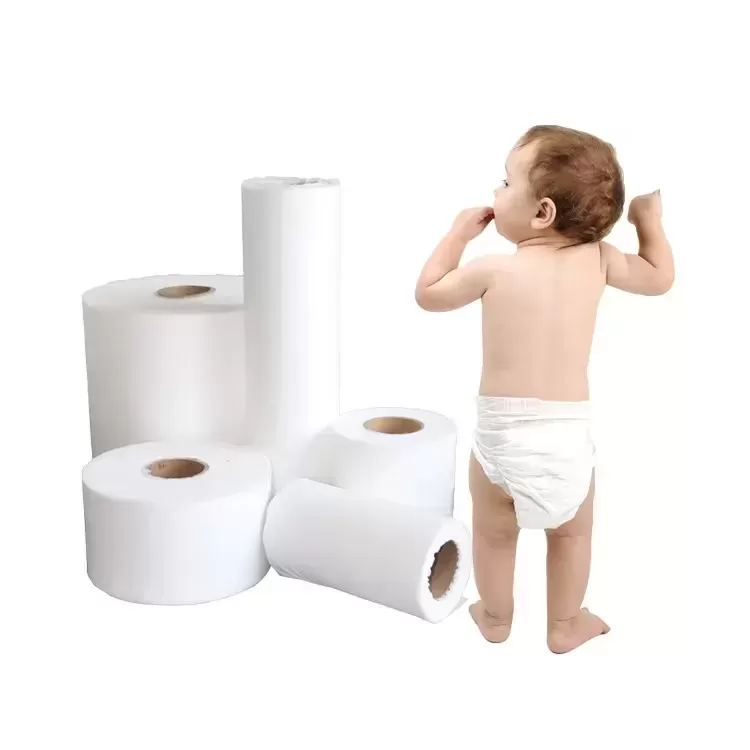
Procurement directors and R&D managers face a sharp turning point heading into 2026. Stricter global plastic policies, volatile freight rates, and rising carbon border adjustments like the EU CBAM are squeezing traditional diaper margins. At the same time, consumer expectations have shifted. Modern parents demand products that are paper-thin, leak-proof, and gentle on sensitive skin.
Standard raw materials can no longer satisfy both regulatory bodies and discerning parents. At KIMEPR, we work closely with diaper converters worldwide to test and qualify the absorbent chemistries that will define the market in 2026. If you want to future-proof your product lines and secure your margins, contact our technical sales engineers today to request raw material trial runs.
Meeting these market requirements begins in the absorbent core. Below are five innovations in SAP for baby diapers that will define competitive diaper lines by 2026.
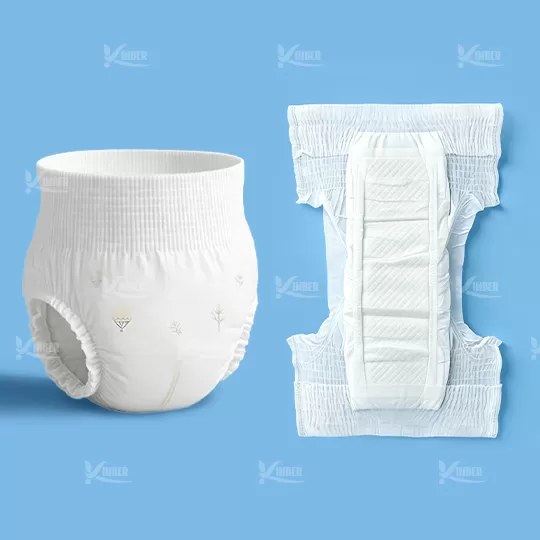
1. Bio-Based and Degradable SAP at Commercial Scale
Traditional polyacrylate SAP depends entirely on petrochemical feedstocks. This reliance exposes diaper brands to fossil-fuel price spikes and non-biodegradable microplastic regulations. By 2026, plant-derived alternatives are moving out of pilot laboratories and straight onto high-speed manufacturing lines.
Leading super absorbent polymer manufacturers now synthesize bio-based acrylic acid from renewable resources like sugarcane molasses, cassava, and industrial corn starch. These next-generation polymers achieve a bio-carbon content between 30% and 50% under ASTM D6866 testing.
Historically, bio-based SAP struggled with retention performance. Early iterations degraded quickly or failed to hold fluids under mechanical pressure. Recent enzyme-resistant backbones have fixed this issue. Current bio-polymers reach a Centrifuge Retention Capacity (CRC) of 28 to 32 g/g and an Absorption Under Load (AUL at 0.7 psi) exceeding 20 g/g. This matches the benchmarks of pure fossil-based resins.
Regulatory shield: Helps brands navigate single-use plastics bans and upcoming eco-taxes across Europe and North America.
Brand positioning: Allows private-label manufacturers to launch verifiable "fossil-free" lines without sacrificing core integrity.
Drop-in deployment: Integrates into existing dry-dosing and gravimetric dispensing units without requiring hardware overhauls.
2. Third-Generation Surface Cross-Linking: Eradicating Gel-Blocking
Fluffless and ultra-thin diaper cores rely on heavy concentrations of absorbent resin. In conventional designs, pure polymer layers cause "gel-blocking": the first wave of fluid swells the top particles immediately, turning them into a glassy barrier. This impermeable wall stops subsequent voids from reaching dry polymer pockets below, causing severe side leakage.
The breakthrough arriving in 2026 centers on targeted, non-uniform surface cross-linking. Chemical engineers are using multi-valent metal ions and hyper-branched polymers to form a rigid outer shell around each SAP granule while keeping the interior matrix highly flexible.
This differential density lets each particle swell vertically rather than horizontally. Liquid channels remain wide open throughout the absorbent core even during high-volume, rapid discharges. Testing reveals an initial intake speed increase of 25% on the third and fourth urinations.
For brands targeting ultra-thin baby diapers under 0.15 cm in thickness, this SAP gel blocking solution is essential. It enables converters to cut wood fluff pulp ratios by up to 80% without risking wet-core collapse.
3. Microbiome-Friendly and pH-Buffering Polymers
Modern baby diaper marketing is moving away from generic absorbency claims toward dermatological health. Diaper dermatitis, commonly known as diaper rash, occurs when urea-splitting bacteria like Proteus mirabilis release urease. This enzyme breaks down urine into ammonia, spiking core alkalinity to pH 8.0 or higher. This caustic environment strips the infant skin barrier and encourages fungal infections.
Advanced SAP for baby diapers now acts as an active chemical buffer rather than an inert sponge. By grafting mild organic acids and proprietary pH-stabilizing buffers onto the polymer network, KIMEPR helps develop smart polymer lines that automatically neutralize alkaline spikes.
Once wet, these modified resins lock the interior environment to an optimal, skin-friendly pH range between 5.0 and 5.5. This weak acid barrier suppresses urease activity, minimizes ammonia odor formation, and limits microbial growth throughout 12-hour overnight cycles.
Medical-grade claims: Provides OEM brands with certified clinical evidence to justify premium shelf pricing.
Odor suppression: Neutralizes volatile nitrogen compounds chemically instead of masking them with irritating synthetic perfumes.
Skin protection: Reduces skin-barrier breakdown caused by prolonged moisture and alkaline conditions.
4. Ultra-Low Rewet Under Dynamic Mechanical Stress
Static absorbency tests conducted in laboratory settings rarely reflect how a baby uses a diaper. Standard AUL tests measure static weight, but an active infant crawls, sits, twists, and falls. These dynamic physical movements exert sharp, localized pressure peaks that can exceed 1.2 psi.
Under those conditions, conventional resins release bound fluid back to the topsheet, soaking the baby's skin. The industry calls this dynamic rewetting, and it remains a primary driver of customer churn and brand switching.
By 2026, premium diaper resins will use controlled inter-chain hydrogen bonding. This molecular design works like a non-return valve: fluid enters easily, but applied mechanical pressure forces polymer chains closer together, trapping water molecules tightly inside the cage.
Laboratory data tracking dynamic rewet under continuous cyclic loads shows moisture backflow falling below 0.05 grams. This ensures top-tier performance for premium overnight training pants, directly driving repeat sales for diaper brands.
5. Mass Balance and Low-Carbon Footprint Manufacturing
Sustainable baby diapers raw materials for 2026 will not rely solely on new chemistry; they also demand changes to upstream manufacturing methods. Large hygiene conglomerates are holding supply partners to strict Scope 3 greenhouse gas reporting standards.
Leading polymer manufacturers are adopting the mass-balance methodology certified by ISCC PLUS (International Sustainability and Carbon Certification). In this framework, bio-circular residues such as tall oil and used cooking oils enter the front end of traditional petrochemical crackers, substituting fossil feedstocks.
Because the resulting acrylic acid molecules mirror conventional monomers, they require no safety re-certifications, FDA/CE updates, or adjustments on factory lines. The benefit lies in the carbon footprint: mass-balance processing cuts product carbon emissions by 30% to 70% compared to traditional petroleum-based polymers.
Additionally, processing plants are replacing thermal-oil drying ovens with high-frequency infrared heating, cutting factory energy use per metric ton of polymer output.
Managing Production Feasibility: Costs vs. Line Speed
Adopting advanced SAP for baby diapers raises legitimate questions about production economics. Premium polymers often carry a 15% to 30% price premium over standard sodium polyacrylate resin. How can diaper converters protect their margins?
The solution lies in system-level cost management:
Fluff removal: Maximizing SAP performance allows you to cut fluff pulp consumption, lowering the total weight of the diaper core.
Freight efficiencies: Thinner cores mean you can fit more finished diapers into each shipping container, significantly lowering ocean and overland freight costs per unit.
Packaging savings: Thinner diaper profiles reduce the square footage of polybags and outer corrugated boxes needed per SKU.
Machine compatibility is equally critical. When running next-gen polymers on modern lines from suppliers like Fameccanica, GDM, or Zuiko, operators must monitor particle size distribution (PSD) and manage electrostatic charges. High-performance polymers dry-ground below 150 microns create static dust that can clog dosing tubes.
To prevent this, high-efficiency resin surfaces are treated with proprietary anti-static agents. This ensures steady gravimetric flow at speeds topping 800 to 1,000 pieces per minute.
Frequently Asked Questions
Q1: What is the main difference between bio-based SAP and
biodegradable SAP?
A1: Bio-based SAP uses renewable biomass
inputs—like corn, starch, or sugarcane—instead of fossil oil, but it may still
retain a non-degradable carbon backbone. Truly biodegradable SAP breaks down
into water, carbon dioxide, and organic biomass through microbial digestion.
Most 2026 commercial resins focus on high bio-based content while working toward
full industrial compostability.
Q2: How does anti-gel-blocking SAP reduce manufacturing
costs?
A2: Eliminating gel-blocking lets diaper designers use
ultra-thin composite cores with higher polymer concentrations and little to no
wood pulp. Cutting pulp reduces core bulk, decreases diaper package dimensions,
lowers warehouse storage footprints, and slashes per-unit transport costs.
Q3: Can these advanced polymers run on legacy manufacturing
equipment?
A3: Yes. High-grade polymers are designed as drop-in
replacements. As long as your machine's dosing systems can handle high-speed
continuous gravimetric feeding, you rarely need to modify the line. You may only
need to tweak air humidity controls and anti-static bars along the dosing
pipeline.
Q4: Why does pH-buffering SAP matter so much to
consumers?
A4: Stale urine breaks down into basic ammonia, elevating
core pH to 8.0 or higher. This basic environment triggers severe skin irritation
and diaper rash. Resins that buffer the core to a skin-friendly pH between 5.0
and 5.5 eliminate the conditions that feed diaper rash, providing a clear
functional benefit parents appreciate.
Q5: What certifications should I demand from super absorbent polymer
manufacturers for sustainable resin?
A5: Look for ISCC PLUS
certification, which validates mass-balance bio-circular feedstocks. You should
also request ASTM D6866 carbon testing reports to verify renewable content,
OEKO-TEX Standard 100 Class 1 clearance for infant contact, and comprehensive
ISO 10993 cytotoxicity test results.
Secure Your 2026 Core Solutions Today
The hygiene industry moves rapidly. The absorbent core decisions you make today will determine your brand's market share, compliance costs, and profitability in 2026. Sticking with legacy materials risks leaving your company vulnerable to changing environmental regulations and shifting retail demands.
KIMEPR delivers stable, high-performance materials engineered to help hygiene brands lead the market. Whether you need bio-circular resins, ultra-thin fluffless core solutions, or low-rewet performance for overnight diaper lines, our technical staff is here to help you scale.
Are you ready to test the next generation of SAP for baby diapers? Reach out to our technical engineering division now to request sample batches, run line-compatibility audits, or schedule a direct consultation.