
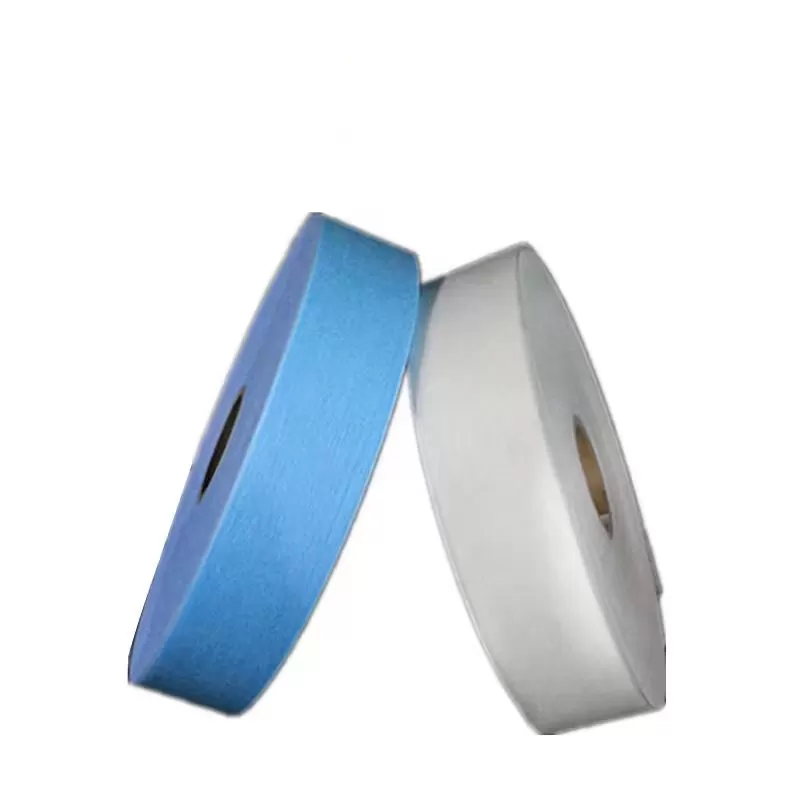
A diaper fastening zone takes up less than ten percent of the total product surface. Yet, this small landing zone determines whether a diaper stays securely in place or pops open during movement. Plant managers and procurement teams face a constant trade-off between tactile softness, fastening reliability, material yield, and machine runnability.
Choosing the right frontal tape for baby diapers directly affects your high-speed converting efficiency. Knitted loop tapes and non-woven frontal tapes represent the two primary technologies in modern manufacturing. Each format interacts differently with rotary die cutters, tension sensors, and side tape hooks.
At KIMBER, we evaluate raw materials through an engineering lens. With over two decades of experience designing converting machinery and optimizing diaper production lines, we know that material selection cannot happen in isolation from machine mechanics. Here is what you need to evaluate before ordering your next master roll.
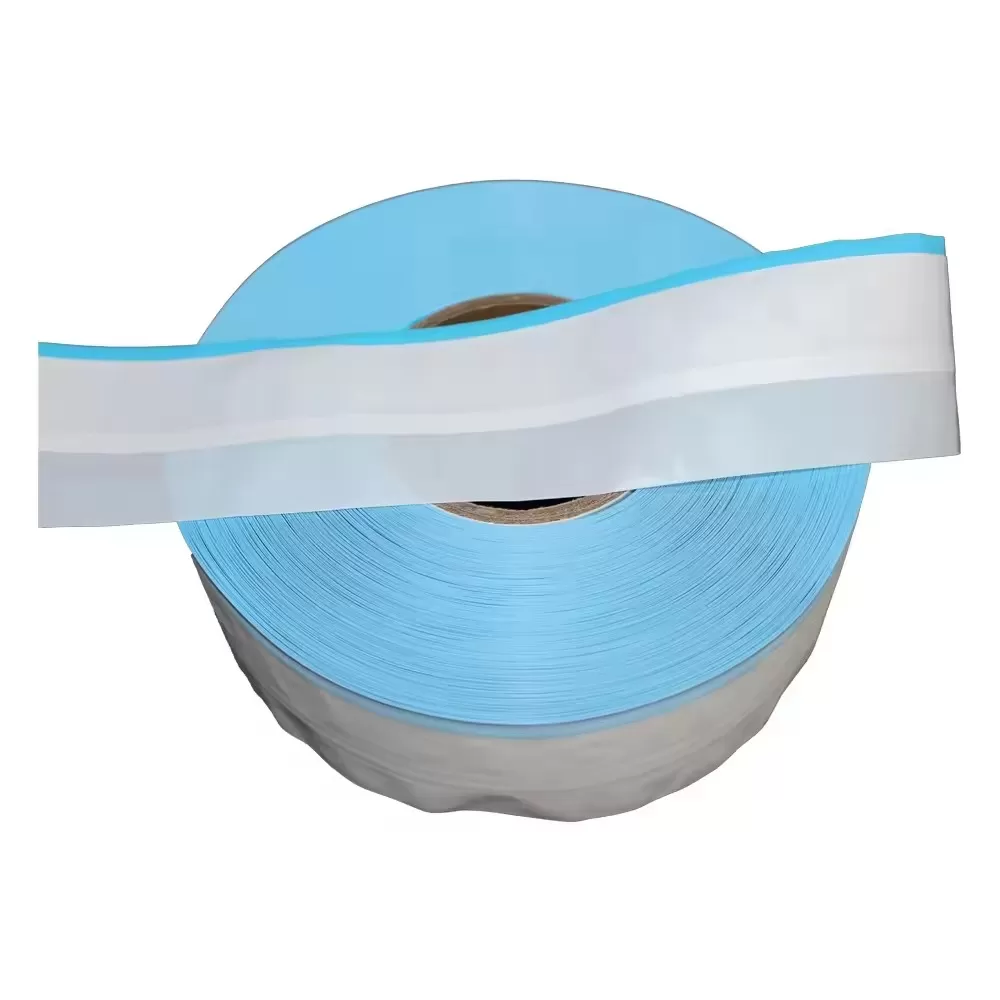
Understanding the Basics: Loop vs. Non-Woven Frontal Tape
The diaper landing zone relies on mechanical hook-and-loop fastening. The frontal tape acts as the female component, while the side tape ears carry the male hooks. The structural difference between loop and non-woven materials dictates how they catch, hold, and release those hooks.
1. Knitted and Brushed Loop Frontal Tape
Loop frontal tape typically consists of a knitted polyolefin or polyester yarn structure bonded to a backing film. The surface features raised, brushed loops that stand open to receive side tape hooks.
Mechanical Grip: The open knit provides exceptional anchor points. When paired with standard plastic hooks, it delivers very high shear strength and peel resistance.
Refastening Cycles: Parents can open and close the diaper dozens of times. The knitted filament yarns do not break easily or pull out from the base film.
Stiffness and Caliper: Knitted loop tape has a higher basis weight (GSM) and greater thickness. This adds structural rigidity to the front waistband of the diaper.
Cost and Aesthetics: Loop materials carry higher raw material costs per square meter. Printing intricate graphics on loop surfaces is also more difficult because the yarn texture diffuses ink clarity.
2. Non-Woven Frontal Tape
Non-woven frontal tape combines a spunbond or air-through non-woven (ATNW) textile layer with a printable polypropylene (BOPP/CPP) film. Instead of knitted loops, it uses randomly laid synthetic fibers bonded by thermal embossing patterns.
Tactile Softness: Non-woven tape feels like soft cotton cloth. It eliminates the scratchy synthetic feel that older loop tapes sometimes produce against infant skin.
Graphic Clarity: The flat, smooth base film accepts high-definition flexographic printing. Brands can showcase photorealistic characters, sizing markers, and vibrant branding patterns.
Cost-Efficiency: Modern non-woven tapes use lighter basis weights, reducing the cost per unit produced.
Fiber Pull-Out Risks: If paired with aggressive, heavy-gauge side hooks, non-woven fibers can tear away after only two or three closures. They require engineered micro-hooks for optimal performance.
Machine Performance: High-Speed Converting Considerations
Material spec sheets rarely tell the whole story. A frontal tape might pass lab tests but fail completely when fed through a continuous rotary applicator running at 600 pieces per minute. Converting performance separates profitable diaper lines from high-scrap operations.
Tension Control and Web Tracking
Knitted loop tape offers higher tensile stability along the machine direction (MD). It resists stretching when pulled through unwinds, dancer rolls, and active braking systems. This makes tension tuning straightforward on legacy machinery.
Non-woven frontal tape exhibits higher elongation under tension. If your unwind servo drives lack precision or if your dancer rollers carry too much load, the web stretches before reaching the applicator. When cut, the elastic recovery creates uneven tape lengths and skewed placements on the diaper backsheet. Running non-woven materials requires precise closed-loop tension control systems.
Rotary Die Cutting and Anvil Wear
Cutting frontal tape continuously creates high mechanical friction. Knitted loop tapes contain dense synthetic filament bundles. These tough fibers accelerate blade dulling on standard tool steel rotary dies. Operators must maintain higher pneumatic pressure on the anvil roll to achieve a clean shear cut, which shortens tool life.
Non-woven laminated tapes cut easily with less cutting force. However, thermal adhesives and bonding layers can build up on high-speed vacuum drums and transfer anvils. Using anti-adhesive plasma coatings on your cut-and-place units solves this issue effectively.
The KIMBER Zero-Trim Solution
Traditional cut-and-place frontal tape units generate continuous edge trim scrap. This waste adds up to thousands of meters of discarded material every month. KIMBER engineers proprietary zero-trim and mini-trim application modules for high-speed diaper lines.
By optimizing cut geometry and utilizing variable-speed vacuum slip-and-cut drums, our machinery cuts each frontal tape patch to finished dimensions without edge scrap. Whether running thick loop rolls or lightweight non-woven laminates, zero-trim tooling helps plants cut scrap rates by up to 4% annually across continuous production shifts.
Hook-and-Loop Compatibility: Getting the Match Right
A frontal tape cannot be evaluated on its own. Its performance depends entirely on its pairing with the side tape hook profile. Matching the wrong hook with the wrong landing zone leads to either product failure or unnecessary material spending.
Standard Extruded Hooks + Knitted Loop: This classic combination delivers industrial-grade closure. It suits economy diaper tiers and adult incontinence products where retention under high tensile loads matters more than cotton-like softness.
Micro-Molded Plastic Hooks + Non-Woven Tape: Micro-hooks feature tiny, mushroom-shaped or palm-tree heads with low profiles. They engage the fine, randomly dispersed fibers of non-woven tape without shredding the web during opening. This is the industry benchmark for premium baby diapers.
Brushed Loop + Micro Hooks: While this pairing works, it often produces excessive peel force. The diaper front may tear before the hook releases, causing user frustration.
Total Cost of Ownership (TCO) and Sourcing Strategy
Procurement teams often compare materials based strictly on the price per square meter ($/m²). In high-volume disposable hygiene manufacturing, this metric is incomplete. You must evaluate the Total Cost of Ownership (TCO).
Consider the complete cost equation: Raw Material Purchase Cost + Converting Scrap Rate + Tooling Wear Costs + Line Stoppage Losses.
Scrap Rates: If a cheaper non-woven tape causes a 1.5% increase in line rejects due to web snapping or placement drift, it erases any initial raw material savings.
Inventory Consolidation: Standardizing on a versatile, mid-weight non-woven frontal tape across both baby and training pant lines can simplify your diaper raw material supply chain and yield volume discounts.
Machinery Modernization: Upgrading older mechanical applicators with modern servo-driven units allows your factory to run lighter-gauge, cost-effective non-woven frontal tapes without jamming.
At KIMBER, we do not simply sell equipment or broker components. We audit your existing production parameters, evaluate your target market requirements, and supply machinery modules tuned to your preferred material specifications.
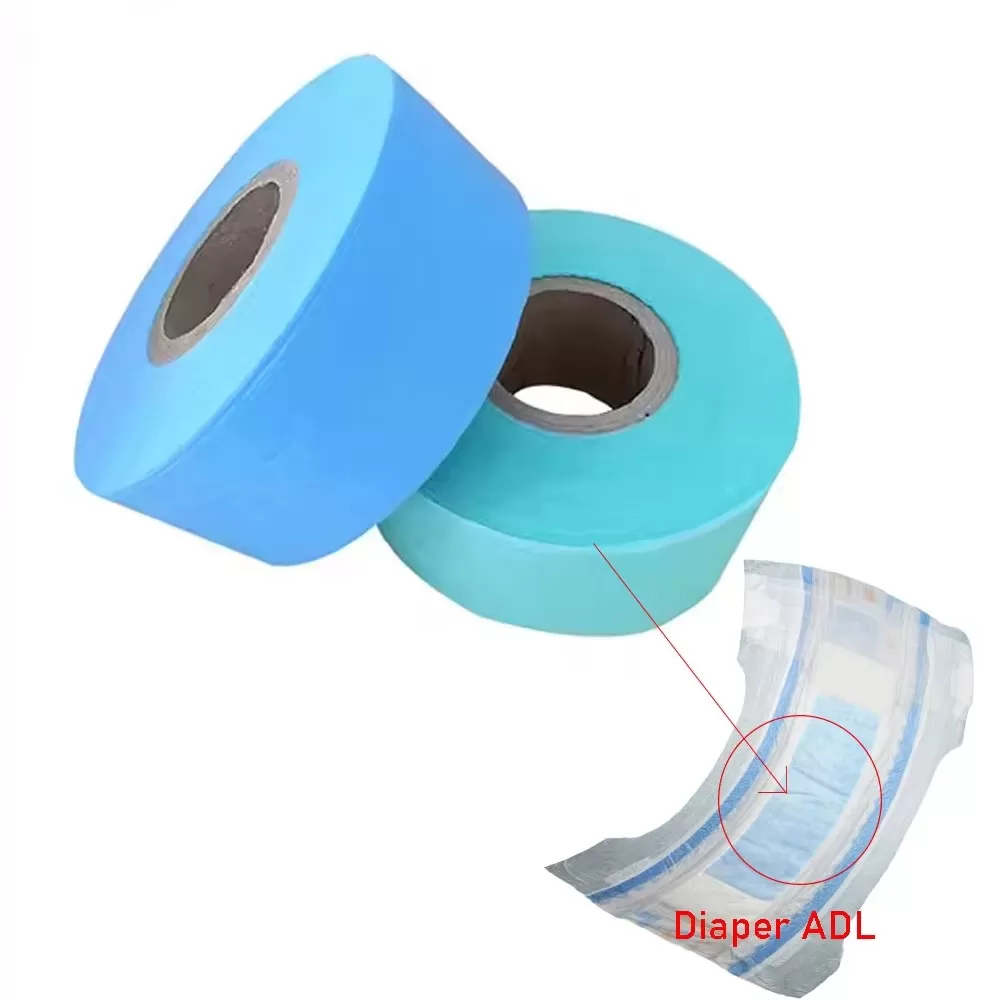
Which Frontal Tape Fits Your Production Goals?
Selecting the right landing zone material depends on your specific market segment and machinery capabilities:
Choose Knitted Loop Frontal Tape If:
You produce value-tier diapers or institutional adult care products requiring high holding power.
Your converting lines operate with mechanical tension units rather than modern electronic servos.
You utilize aggressive, heavy-gauge plastic side hooks.
Maximum refastening cycles are required.
Choose Non-Woven Frontal Tape If:
You target the premium baby diaper segment where soft touch and ultra-thin profiles drive consumer sales.
High-resolution flexographic print graphics are critical to your brand identity.
Your converting equipment features precise, servo-driven tension controls and low-clearance rotary cutters.
You utilize engineered micro-hook side tapes.
Frequently Asked Questions (FAQ)
Q1: What causes non-woven frontal tape to fuzz or delaminate when
opened?
A1: Delamination happens when the side hook profile is too
aggressive for the non-woven surface bond. Using large-gauge hooks tears the
loose fibers instead of slipping out. To resolve this, switch to micro-hooks
with lower profile heights or specify a non-woven tape with a denser thermal
bonding pattern.
Q2: Can I run non-woven frontal tape on an older diaper machine
designed for loop tape?
A2: Yes, but it usually requires machine
adjustments. Non-woven tape stretches more easily, so you may need to reduce
dancer arm tension, calibrate the web guide sensors for low-contrast edges, and
replace worn rotary cut-and-place blades with polished, sharp-edge dies.
Q3: How does basis weight (GSM) impact frontal tape cost and
performance?
A3: Heavier basis weights (45-60 GSM) provide higher
tear resistance and a thicker hand-feel, but they increase raw material costs.
Modern lines increasingly use lighter weights (30-40 GSM) paired with
high-tensile backing films to maintain strength while cutting total material
consumption.
Q4: Why does frontal tape drift or skew during high-speed
application?
A4: Drift typically stems from uneven roll winding
tension, static electricity buildup, or improper vacuum transfer on the
applicator drum. Installing static eliminators and checking vacuum suction
levels on the slip-and-cut unit usually stabilizes the web trajectory.
Q5: What is the optimal peel strength for baby diaper frontal
tape?
A5: The industry standard peel force for baby diapers ranges
between 1.5 N/25mm and 3.5 N/25mm. Values below 1.5 N risk accidental opening,
while values above 4.0 N make opening difficult for caregivers and can rip the
diaper backsheet.
Upgrade Your Production Line with KIMBER
Material efficiency and converting precision determine your factory's bottom line. Whether you are upgrading an existing line to run lightweight non-woven materials, looking to eliminate trim waste, or planning a full turnkey production facility, KIMBER provides the engineering expertise you need.
Send our engineering team an inquiry today to request a line audit, discuss zero-trim applicator retrofits, or find the ideal machinery setup for your frontal tape for baby diapers.